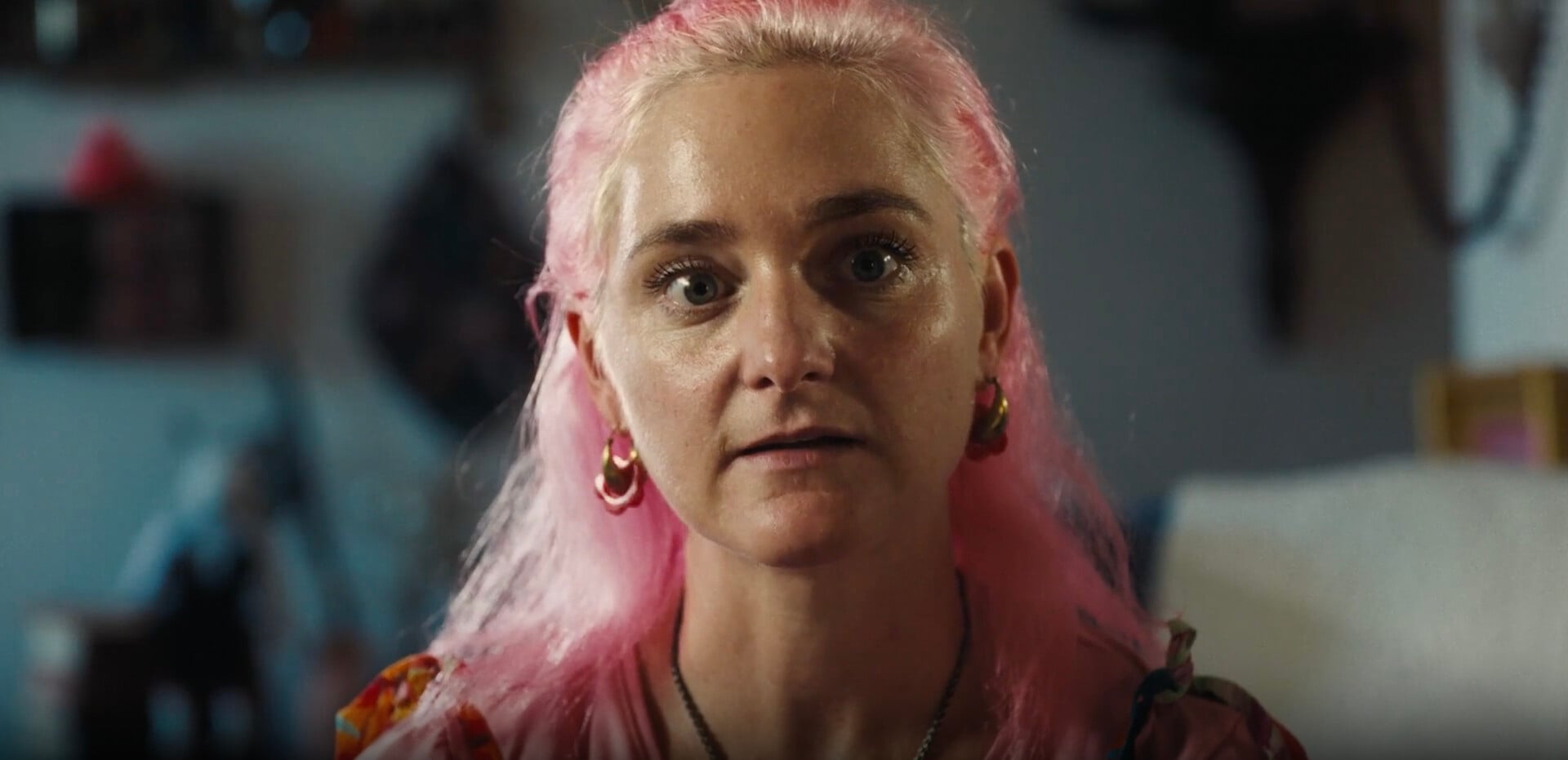
After experiencing profound loss, a grieving woman finds solace in an unusual art form: creating taxidermy from roadkill. Her unique journey reveals healing in unexpected places.



After experiencing profound loss, a grieving woman finds solace in an unusual art form: creating taxidermy from roadkill. Her unique journey reveals healing in unexpected places.
What was the starting point for this film, and what made you want to tell this particular story?
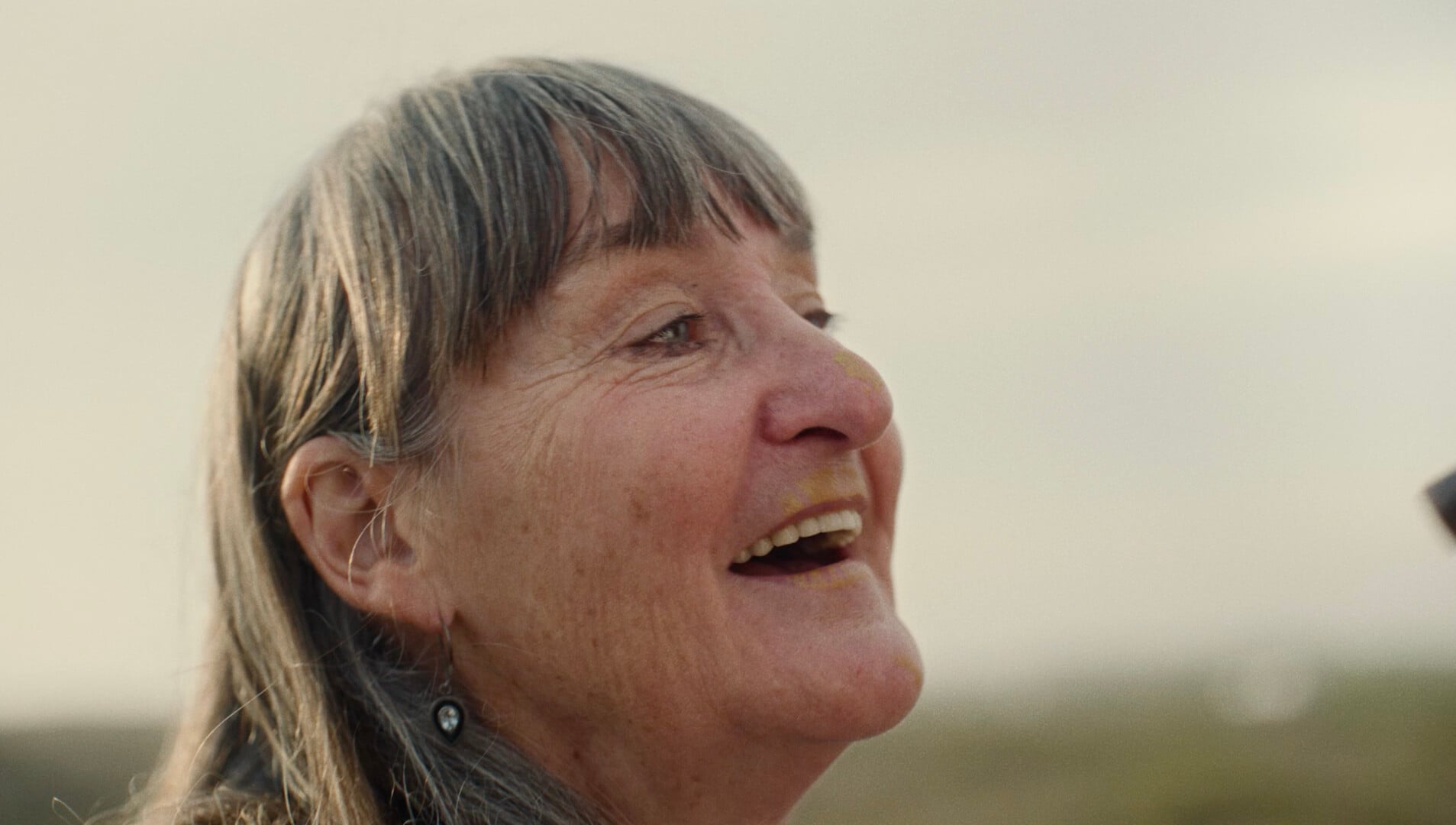
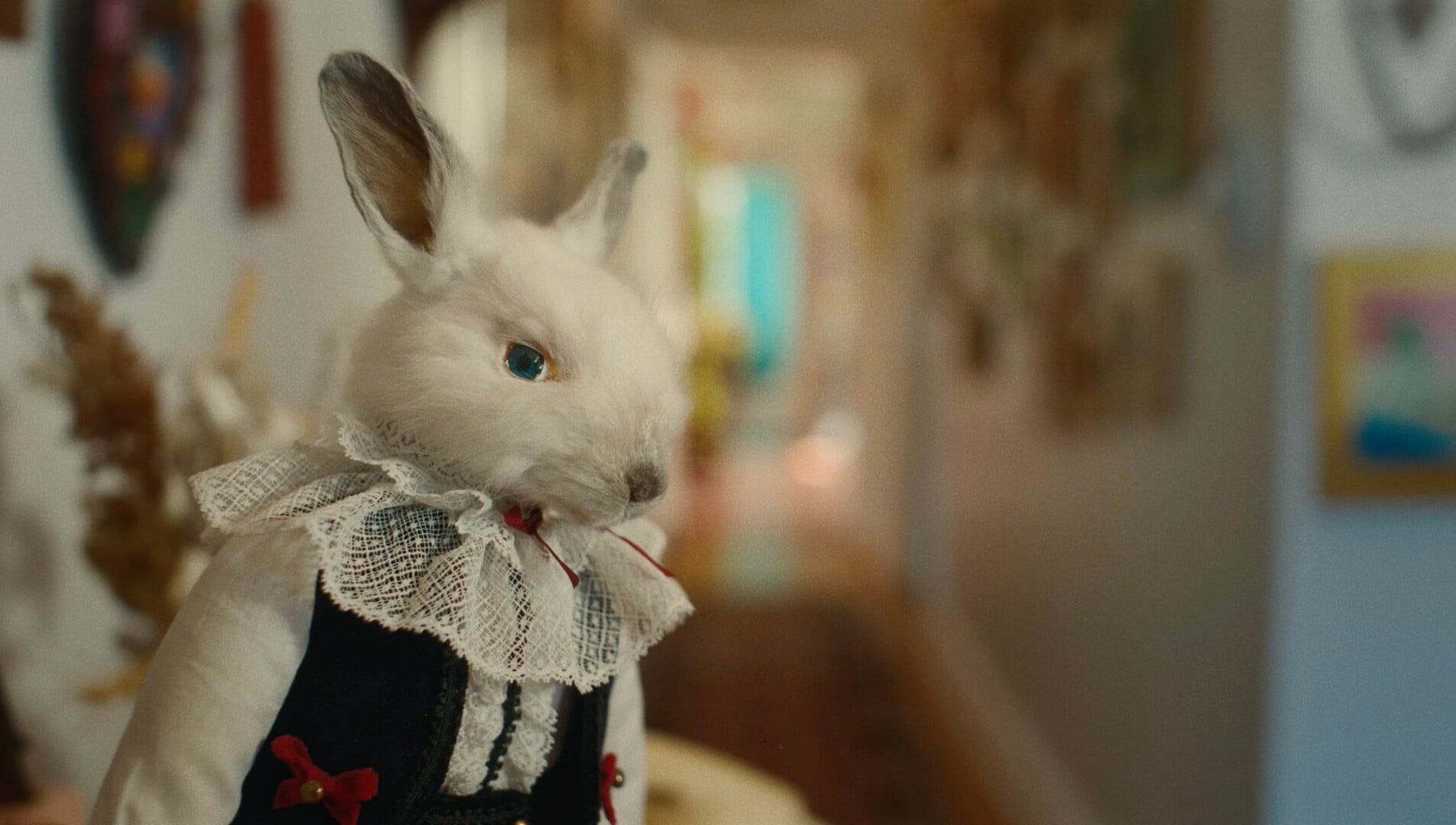
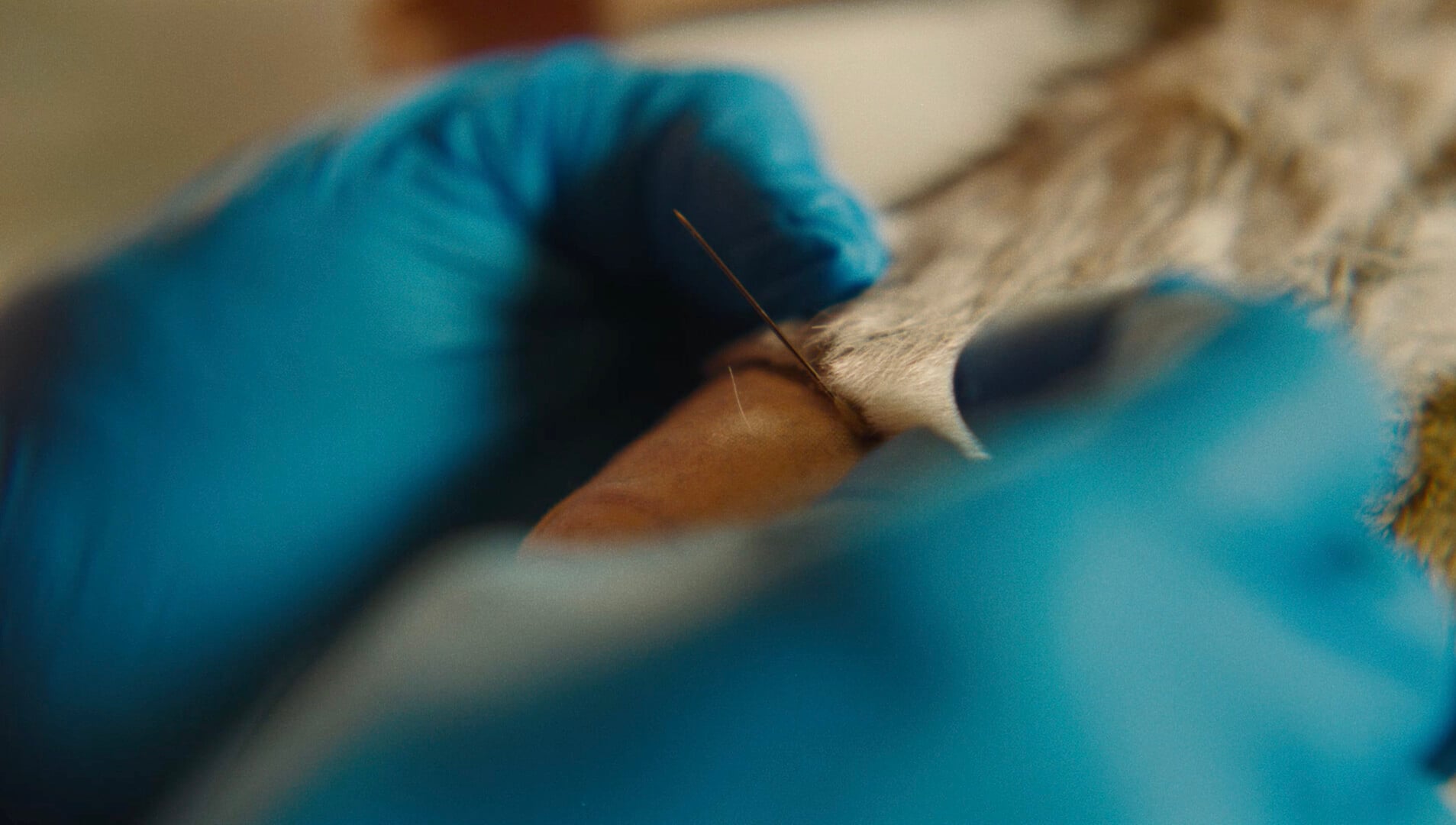
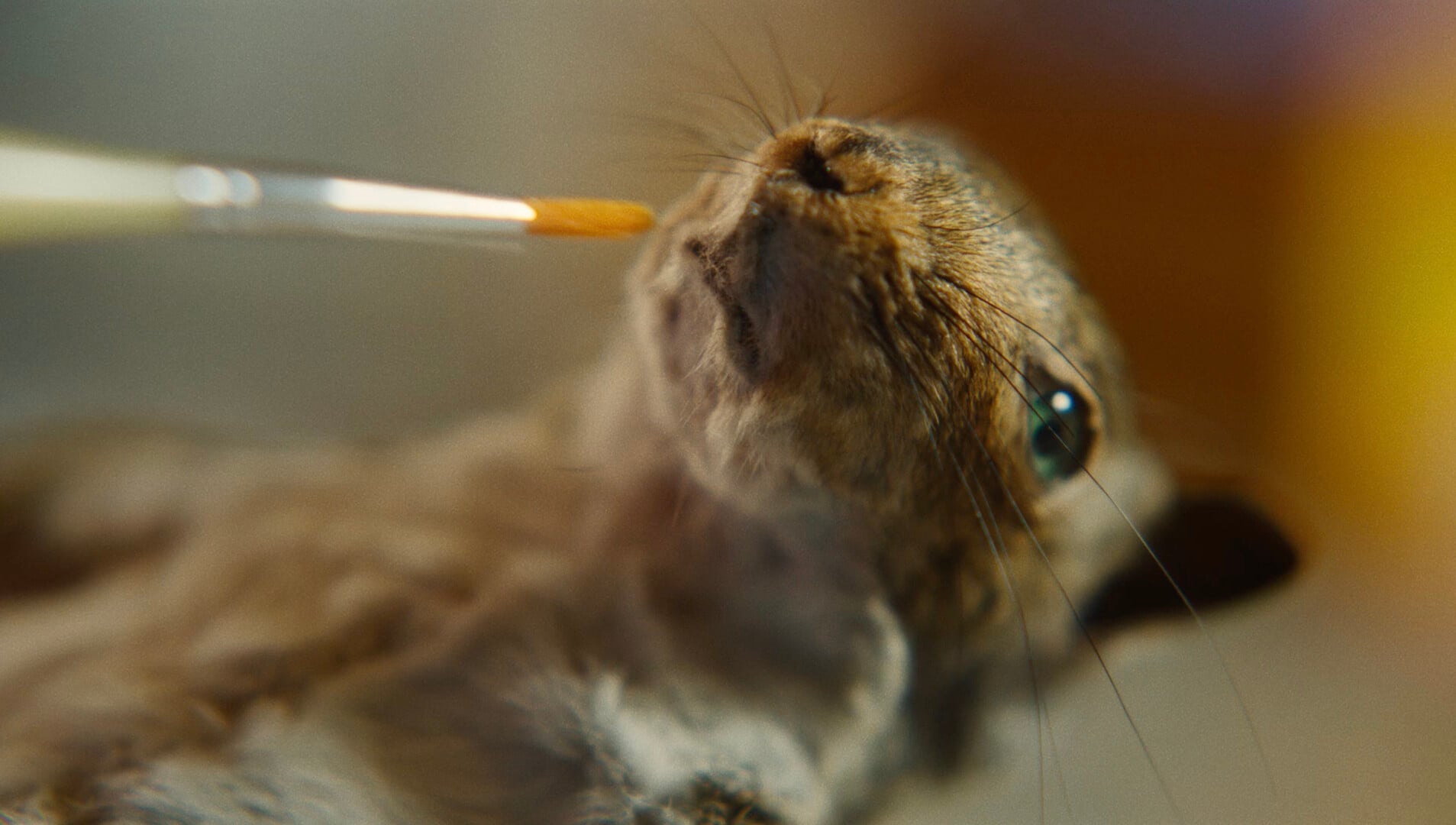
The starting point was Philli. After her brother Chas, a young musician, was killed by a drunk driver, she began taking animals she found dead on the road and transforming them through taxidermy into beautiful, dignified, almost mythical creatures. I was struck by the contradiction: something killed violently on the road being handled with such tenderness and given another kind of life. Philli’s mother, Caro, responded to the same loss differently, founding South Africans Against Drunk Driving and turning her grief into activism. That became the film for me: two women living with the same loss, but processing it differently. One through art, one through action. Both refusing to let death have the final word.
What did the short-film format allow you to do creatively that a longer format might not have?
The short form allowed the film to remain poetic and associative rather than explanatory. I didn’t want to make a conventional issue documentary about drunk driving or over-explain grief. Instead, we could move between animals, roads, memory, Philli’s hands, Caro’s activism and the absence of Chas, allowing those elements to speak to one another. Grief resists a neat narrative. It often arrives in fragments, images, objects and rituals. The short format allowed us to honour that and create a meditation rather than an argument — something you feel before you necessarily intellectualise it.
Is there a particular moment, character or idea in the film that holds special significance for you as the director?
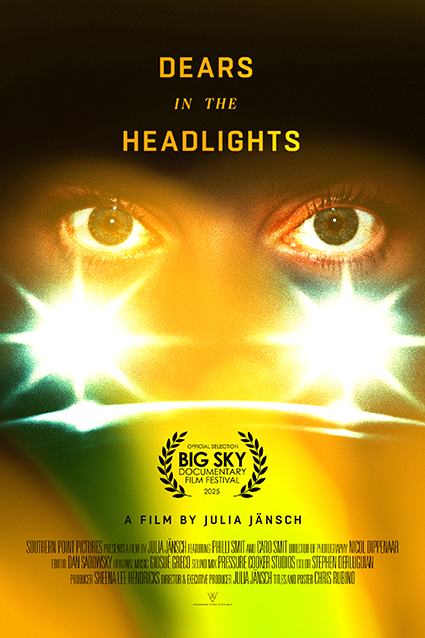
The idea that stays with me most is Philli taking something discarded on the side of the road and giving it extraordinary care. These animals have been hit, overlooked and left behind, and she picks them up, repairs them and makes us look at them again. For me, that became inseparable from the film’s ideas about grief and remembrance. That is also where the title Dears in the Headlights came alive. It plays on “deer in the headlights,” but the “dears” are also those we love — the animals, Chas and the people left behind. They are the ones caught in the aftermath, trying to understand how to keep living after something devastating has happened.
What conversation do you hope the film creates with audiences after they leave the cinema?
I hope it opens a conversation about what we do with grief. We often talk about “moving on” after loss, but I’m much more interested in how people move with it — how something devastating becomes incorporated into a life rather than simply overcome. Philli turns grief into art. Caro turns it into activism. Neither response brings Chas back, but both create something living from something unbearable. I also hope the film makes the violence of drunk driving feel personal rather than statistical. Behind every number is an entire network of people whose lives are permanently altered. The person who dies is not the only victim.
Where does this film sit within your wider creative journey, and what are you interested in exploring next as a filmmaker?
It feels central to the stories I’m drawn to: people confronting circumstances they cannot change and somehow making something meaningful from them. I’m interested in the space between devastation and transformation — not in a sentimental sense, because some wounds never disappear, but in the ways people find beauty, purpose, humour, community or action within difficult realities. Dears in the Headlights is a quiet, intimate expression of that. It contains many of the questions I continue to explore: what do we inherit, what wounds us, what do we carry forward, and how do we find light without pretending the darkness wasn’t there? Going forward, I want to keep making films that are deeply specific to their people and places but open onto larger human questions.