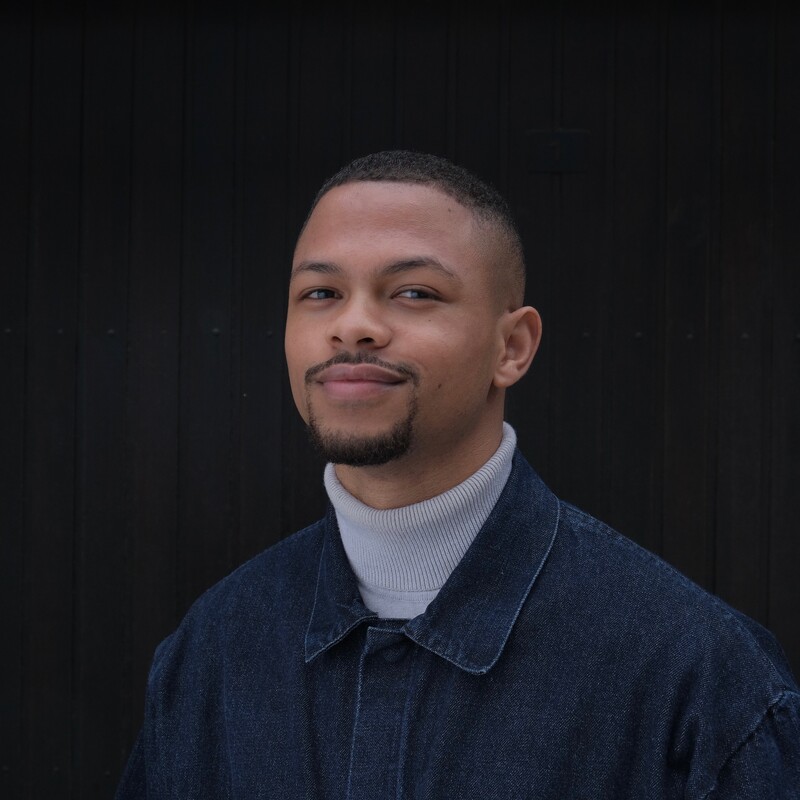

Winford Collings is a Cape Town-based South African filmmaker whose work explores identity, history and power, with a particular interest in the complexities of family dynamics and the human condition.
Through visual storytelling, Collings creates nuanced, character-driven work that examines how personal relationships are shaped by history, circumstance and the structures around us.
In 2024, he co-directed the feature film Adam, which screened In Competition at the Joburg Film Festival and received nominations for Best Film, Best African Film and Best Editing.
His second feature, Laaitie, was selected for the prestigious 2025 Biennale College Cinema, an international development and production programme of La Biennale di Venezia.
With two feature projects already gaining significant industry recognition, Collings continues to develop a distinctive filmmaking voice rooted in South African experiences while exploring themes with universal resonance.
What was the starting point for this film, and what made you want to tell this particular story?
The starting point came while I was researching ancestral and dispossessed land, particularly burial sites scattered across privately owned farms in Namaqualand. These sites are important to conversations around land restitution, heritage preservation and human rights because they bring together questions of grief, belonging and ancestry with the history of apartheid. At the same time, I was watching my mother organise a tombstone unveiling for my grandmother and a family reunion. Many family members were reluctant to participate, and I could see the emotional strain it placed on her. It made me think about what it means to honour our ancestors, and how painful doing what feels right can sometimes be. The film began where those two ideas met.
What did the short-film format allow you to do creatively that a longer format might not have?
Short films are a wonderful space to experiment with style, form and technique, particularly as an emerging filmmaker. A feature often comes with much larger budgets and expectations, which can make that experimentation more difficult. I also love that a short can capture a particular moment in time. You can enter a character’s life at a very specific point, explore something intensely and then leave again without having to satisfy all the conventions of a larger narrative.
Is there a particular moment, character or idea in the film that holds special significance for you as the director?
I’m particularly fond of the opening scene and the music that accompanies it. My composer, Forest, and I spent a lot of time finding the right musical language for the film. I think the opening theme captures it beautifully. There’s something mournful but deeply rooted about it, and it establishes the emotional tone of the film almost immediately.
What conversation do you hope the film creates with audiences after they leave the cinema?
I hope it encourages people to reflect on their own relationship with grief, particularly how grief can be connected to heritage and ancestry. I’m interested in the ways the people who came before us continue to occupy space in our lives, even when we don’t consciously recognise it.
Where does this film sit within your wider creative journey, and what are you interested in exploring next as a filmmaker?
It feels like a natural continuation of my previous short film, Melkbrood, which also centred on a strained mother-daughter relationship and used similar stylistic techniques. With this film, the focus became slightly larger and the narrative more expansive. I’m increasingly interested in family dynamics, particularly the ways the past reverberates through a family — how history, memory and unresolved experiences can shape relationships between people who may not fully understand where those tensions come from. That’s something I’d like to continue exploring.