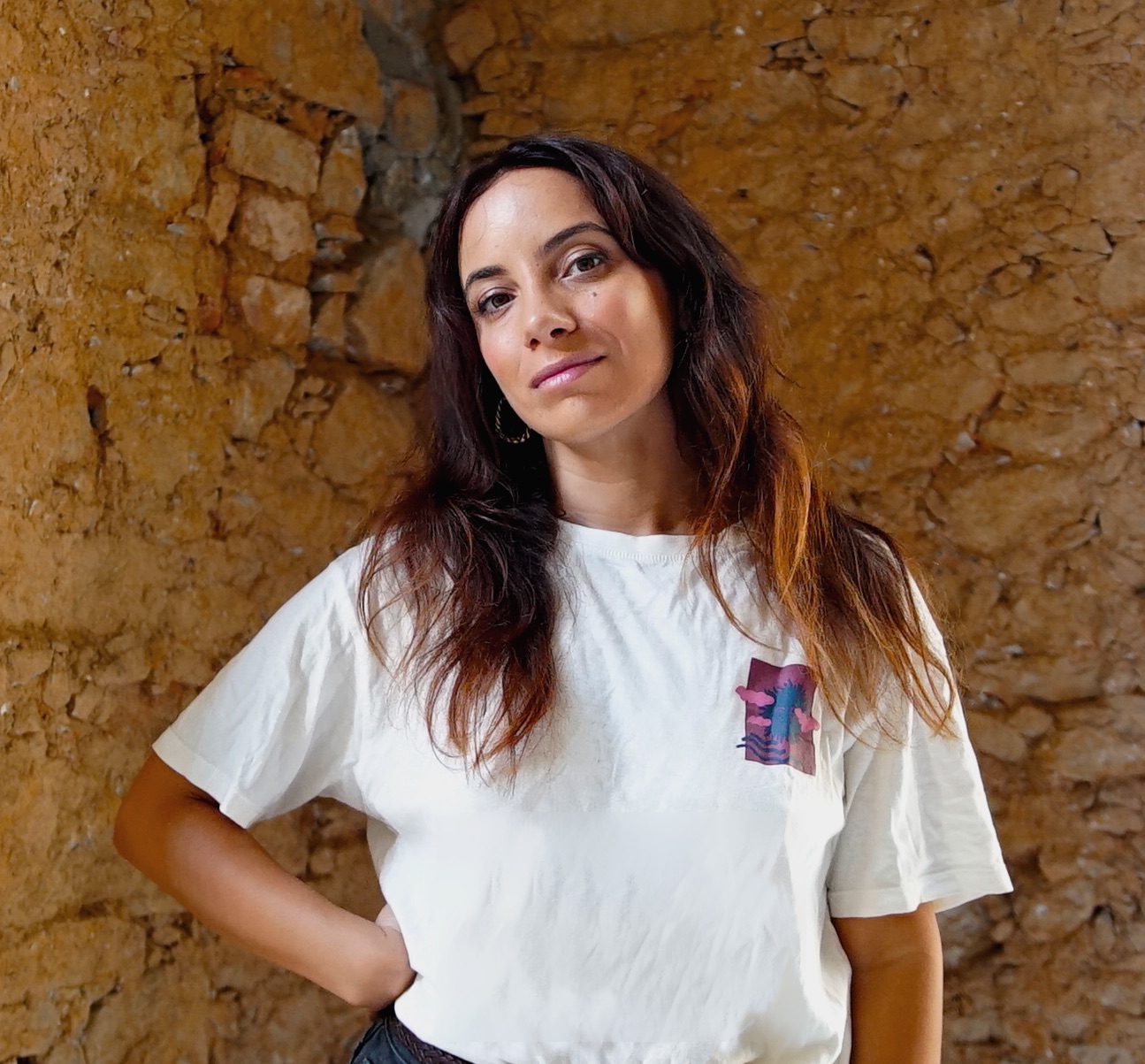
Victoria Fiore is a Brazilian film director known for her powerful, emotionally resonant documentaries that center underrepresented communities. Her work often blurs the line between fact and fiction, exploring raw human stories with authenticity and care. Her debut feature Nascondino earned critical acclaim, winning numerous international awards and receiving BIFA nominations for Best Film and Best Director. Based in Rio de Janeiro, she mentors aspiring filmmakers from disadvantaged backgrounds and proudly dances as a passista at Paraíso do Tuiuti samba school.
1. What inspired the story behind your short film?
Carnival has always been a part of my life. I’ve danced samba for over a decade and am deeply rooted in the comunidade. For me, it’s more than performance—it’s family, history, and resistance. I’ve always wanted to tell the story of the people behind the spectacle, especially the elders of the Velha Guarda. With the support of my community, this film became a tribute to their lives, legacies, and strength.
2. What message or emotion do you hope the audience takes away from your film?
Carnival isn’t just about sequins and rhythm—it’s ancestral, spiritual, and layered. Every beat and movement is heavy with meaning. It’s cultural memory, a political act, a sacred ritual. I hope viewers feel the depth and understand the importance of preserving it as cultural heritage.
3. What’s your go-to creative ritual before a shoot day?
Music—always. I choose a track that captures the emotional tone of the day’s scenes. It helps me tune into the right frequency and sharpens my intuition. It’s how I set my intention for the shoot.
4. What’s one film you wish you had directed and why?
Alice Rohrwacher’s La Chimera. I’m drawn to her ability to blend myth with the mundane—her storytelling is magical, melancholic, and nostalgic. Her approach to time, memory, and spirituality is bold and quietly revolutionary.
5. If you had to shoot a short film using only three props, what would they be?
A percussion instrument—for rhythm and soul. A cactus—for its symbolism of resilience and survival. And a magic wand—because documentary filmmaking always requires a bit of magic.
6. What’s your guilty pleasure movie or series you rewatch all the time?
I’m not much of a rewatcher, especially not series. But I do return to early Almodóvar films—Tacones Lejanos in particular—for the music and flamboyance. I also obsessively re-read books and replay music. All About Love by bell hooks is my most-read, and as for music… I’ll let you guess.
7. Why are short films important in today’s media landscape?
Short films are creative laboratories. They let filmmakers test ideas, experiment with form, and carve out their unique voices. It’s where bold, boundary-pushing storytelling happens. Short films aren’t just stepping stones—they’re powerful in their own right.
8. What advice would you give to someone making their first short?
Develop your film language—and trust it. Don’t aim for perfection. Be brave. Be weird. Be yourself. Make mistakes and learn. Just make the film.
9. What’s one question you wish interviewers asked—and how would you answer it?
I wish more people asked about the magical, unexpected moments during filming. On day one of Pavilhão, Jorge, our main character, was taken by the spirit of Oxóssi as we began filming. It was electric—sacred. A blessing. A green light from the universe. That moment still gives me chills.
10. Why are festivals like the FAME Shorts Film Festival so important?
Festivals like FAME create space for experimentation and elevate short films as serious, meaningful art. They support emerging voices, not as “next up,” but as storytellers worth celebrating now. That belief in new perspectives is vital to the future of cinema.