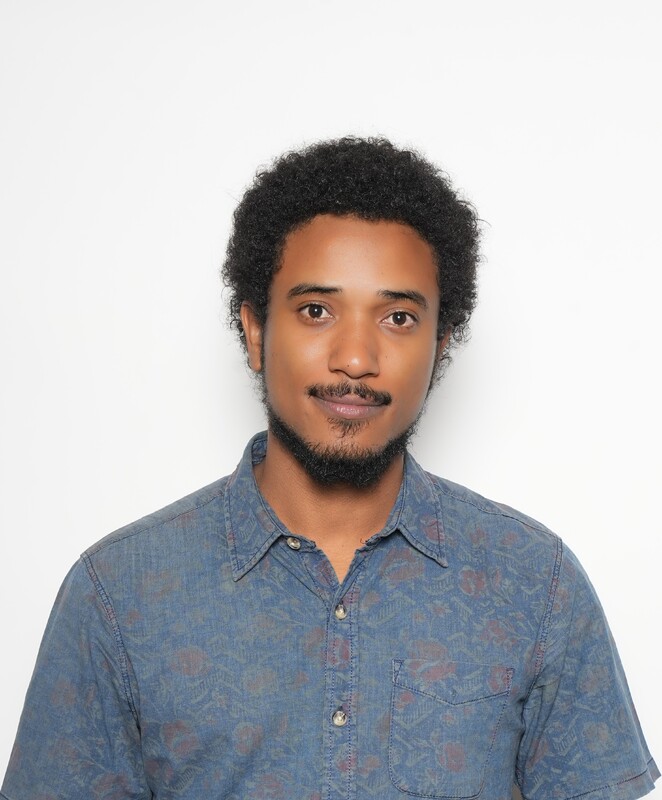

Naishe Nyamubaya is a Zimbabwean filmmaker whose work has been supported by some of the world’s leading film development programmes, including Cannes Cinéfondation’s L’Atelier, TIFF Filmmaker Lab, Red Sea Labs and Film Independent.
His short films have received nominations and awards at the South African Film and Television Awards (SAFTAs), Zimbabwe European Film Festival and Zimbabwe International Film Festival, establishing him as an exciting voice in contemporary African cinema.
His debut feature project, Chimbo Chebere, won the Development Jury Prize at the 2021 Red Sea Souk and is currently in pre-production. His second project, Black Snake, won the Jury Prize at the 2023 Red Sea Lodge and went on to receive the Visions Sud Est Grant at the 2025 Locarno Open Doors programme.
Through his work, Nyamubaya continues to develop distinctly African stories for both local and international audiences, building a growing body of work that has attracted recognition across the global film industry.
What was the starting point for this film, and what made you want to tell this particular story?
The story came from a personal reflection on the enduring conflict and tension in Zimbabwe between Christianity and traditional beliefs. We wanted to explore this by pitting two uncompromising figureheads against each other: a preacher trying to build a new church and a traditional healer defending her ancestral land.
What did the short-film format allow you to do creatively that a longer format might not have?
By compressing this wide-reaching conflict into a single contested space between two key figures over just one week, the short format forced us to distil a broad, complex issue down to its essence. With no time for heavy-handed explanations, we relied on visual allegory and symbolism, giving the audience space to draw their own meaning and conclusions.
Is there a particular moment, character or idea in the film that holds special significance for you as the director?
Mavis holds deep thematic significance as the go-between character, embodying the internal duality of many Zimbabweans who live with “one foot in each camp” — between traditional heritage and Western faith. She was essential in avoiding a binary good-versus-evil framing, as the reality is far more complex for us as Zimbabweans.
What conversation do you hope the film creates with audiences after they leave the cinema?
The film aims to provoke dialogue around religious imperialism, traditional beliefs and indigenous cultural erosion, encouraging viewers to question who holds true authority over African beliefs, history and tradition.
Where does this film sit within your wider creative journey, and what are you interested in exploring next as a filmmaker?
I’m deeply committed to telling Zimbabwean stories in our own language. This film reflects that commitment: it is in Shona and showcases the beautiful Eastern Highlands. As I continue my filmmaking journey, I want to explore more of our stories and cultural traditions, while filming across the many beautiful landscapes Zimbabwe has to offer.