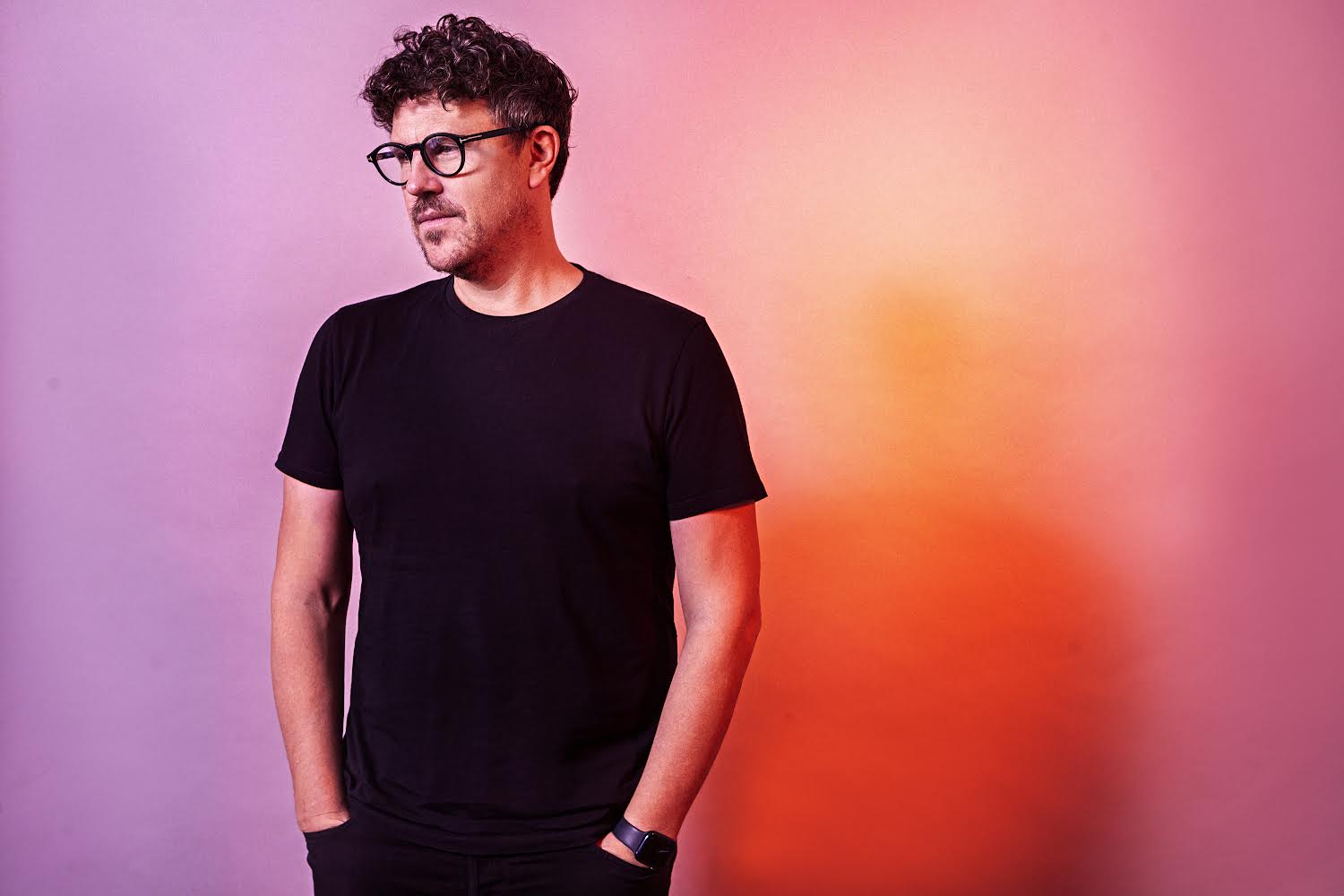
Jono Hall is a multi-award-winning commercials director known for his bold visual storytelling and sharp performance direction. His eclectic career began as a radio DJ, drummer, editor, and taxidermist—fuelling a rich creative perspective. His debut short Awake earned international acclaim, and his first Netflix project, Marked, premieres in July 2025. These days, he leaves taxidermy to memory and focuses on telling unforgettable stories.
1. What inspired the story behind your short film?
The seed for Awake came from a strange memory in high school—there was a kid with what I can only describe as a “Sleeping Beauty” condition. He would sleep for days, then be awake for equally long stretches. It fascinated me. Maybe he was a genius avoiding school. Maybe his room was a portal to another dimension. Who knows?
But that idea stuck with me—the eerie feeling of waking up after an extended period and realizing something in the world has shifted. Not quite knowing what… just that something isn’t right. I became obsessed with that sense of disorientation, of being out of sync with your own life. Awake was my chance to explore that sensation and see where it could lead.
2. What message or emotion do you hope the audience takes away from your film?
At its core, Awake is about patterns—the ones we fall into, the ones we repeat without realizing, the ones we long to break. It asks: what if our loops, our actions, really do echo in eternity? (Apologies to Gladiator for borrowing that line.) But what if that’s not as poetic as it sounds? In an era where consciousness might outlive the body, Awake wonders what happens to the things we’d rather leave buried—our regrets, our hidden desires, our darkest thoughts. I want the film to stir something in that space between memory and morality.
3. What’s your go-to creative ritual before a shoot day?
I wake up absurdly early. Like, hours before call time. I make coffee. I move slowly. I breathe. The rest of the day is chaos—car noises you wish your car wouldn’t make, alleyways you shouldn’t be in, and five people asking for different things at once. So I give myself time. Not glamorous. Not “creative” in the traditional sense. But necessary. A calm beginning before the madness.
4. What’s one film you wish you had directed—and why?
Honestly? Lost in Translation. I rewatch it every year. I even made a pilgrimage to the Park Hyatt Tokyo, drank a Suntory at the bar, soaked in the vibes. Years later, in a shameless tribute, I followed my then-wife around with a stolen DV cam, editing the footage to music from the film. It was my personal, time-defying remix. More recently, Past Lives by Celine Song hit me the same way—aching, gentle, devastating. I just didn’t have a wife or DV cam handy this time.
5. If you had to shoot a short film using only three props, what would they be?
An unopened letter, a lost phone, and a kitten. That’s a whole movie right there.
6. What’s your guilty pleasure movie or series you rewatch all the time?
Firefly. I own the Blu-ray box set. I rewatch it annually. Every time, I try to forget the story just enough to enjoy it like it’s brand new. “I aim to misbehave.” Forever.
7. Why are short films important in today’s media landscape?
Because nobody asked for them. No one is begging you to make a short film. It’s pure creative willpower. A short film is a neon sign that says: “This person ran through walls to make this.” And in a landscape filled with noise and commerce, that kind of relentless belief is priceless—and visible.
8. What advice would you give to someone making their first short?
Make the script bulletproof. Not “it’s fine by draft three” bulletproof—ten drafts in and still rewriting bulletproof. Get feedback. Flip the script upside down. Kill your darlings. Break it and rebuild it until it demands to be made. Writing is free. Use that freedom. Because once you’re on set, it’s snakes, fire, and flying projectiles. The script is the only shield you’ve got.
9. What’s the one question you wish interviewers asked—and how would you answer it?
“Tell me about your favourite bar, and the time a Halloween bartender dressed as a murder clown tried to kill you with flaming bourbon cocktails and steal your girlfriend.”
At which point I’d pull out my phone and show you the photos. True story.
10. Why are festivals like the FAME Shorts Film Festival so important?
Because filmmaking can be incredibly lonely. And for a brief moment, a festival like FAME Shorts reminds you that you’re not the only one who stayed up late rewriting scene 12 for the 40th time. It’s a gathering of people who care deeply. And sometimes, that’s enough to keep going.