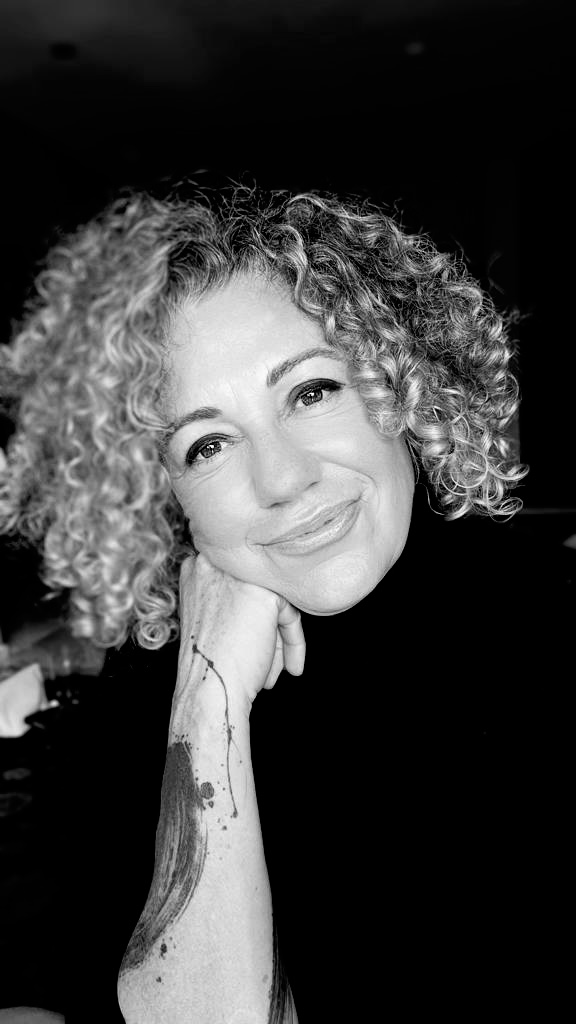
Cindy Lee is an Oscar-nominated South African director and daughter of legendary casting agent Moonyeenn Lee. After beginning her career as a copywriter at TBWA Hunt Lascaris, she transitioned into directing, earning a SAFTA nomination for her TV debut Sober Companion. Her work includes acclaimed series The Girl From St. Agnes, Desert Rose, and The Morning After. Her short film The Last Ranger was nominated at the 97th Academy Awards.
What inspired the story behind your short film?
The Last Ranger was inspired by the true story of Thandi, a rhino poached in the Eastern Cape in 2012. Miraculously, she survived—thanks to wildlife vet Dr. William Fowlds—and has since gone on to have five calves. Years later, my brother David, who went to school with Dr. Fowlds, was with him at another poaching scene. That rhino didn’t make it. It hit David hard. He asked what he could do, and Will simply said, “Whatever you can.” David returned to L.A., wrote a feature, and that eventually became The Last Ranger. The film honours Thandi’s legacy while exploring how poaching impacts people and communities. We created a fictional female ranger who stays behind to protect the rhinos because they’re her family.
What message or emotion do you hope the audience takes away from your film?
At its heart, The Last Ranger is about connection—to nature, to community, and to something greater than ourselves. I hope audiences leave with a deeper understanding of the emotional cost of conservation, and a renewed sense of hope. In South Africa, community is everything, and conservation is no different. Saving the rhino isn’t just about wildlife; it’s about protecting a national treasure that’s intrinsically tied to our identity, land, and economy. If the rhino disappears, we all lose. We also wanted the film to highlight the importance of education, especially for young people. There’s still a lot of misunderstanding, even locally, about the urgency of this issue. But there’s hope—if we talk, educate, and act together. I hope the film sparks those vital conversations.
What’s your go-to creative ritual before a shoot day?
I’m typically well-prepared by shoot day, so my ritual is more about grounding myself. I wake up early and make myself a flat white—I’m quite particular about my coffee, so it’s my small moment of calm. Then I head to set with my iPad and speaker in hand. I love playing music on set to set the tone and energy. From there, I just breathe, stay present, and enjoy the process. It’s about trusting the prep and having fun.
What’s one film you wish you had directed and why?
Parasite. It embodies everything I admire in storytelling: sharp, emotional, funny, and devastating. The characters are layered, the world feels real, and nothing is wasted. It delivers a powerful message without preaching, and the craft—structure, pacing, tone—is masterful. It trusts the audience and lingers long after the credits roll. That’s the kind of impact I aspire to make.
If you had to shoot a short film using only three props, what would they be?
A bed, a box, and a doll.
What’s your guilty pleasure movie or series you rewatch all the time?
Happy Valley.
Why are short films important in today’s media landscape?
In a world of endless content, a short, focused story can land with real emotional weight. For directors, short films are powerful calling cards—they showcase your voice, your vision, and your ability to craft performance, sound, and rhythm on a tight budget. In South Africa, short films are vital in opening doors, telling local stories, and getting emerging talent seen on a global stage.
What advice would you give to someone making their first short?
Start. Use what you have. Get it made. Build a great team and listen to them. Stay true to your story—make it for you. Be honest. Be real. Trust your gut. And craft it—every shot, sound, and cut. Even with no budget, care and intention can make something beautiful. And above all, finish it. That’s how you grow.
What’s the one question you wish interviewers asked you—and how would you answer it?
I wish someone would ask, “Would you like a coffee before we start?” And the answer is always yes—flat white, no sugar. Or maybe, “Would you like to shoot this interview on film instead?” Also yes.
Why are festivals like the FAME Shorts Film Festival so important?
Because they centre African stories and storytellers. FAME creates space for voices we don’t hear enough and reshapes how the world sees us—through our own lens. It also elevates films like The Last Ranger that explore our relationship with land, identity, and environmental justice. These festivals connect creatives, spark necessary conversations, and remind us just how much talent and perspective this continent holds. We need more platforms like this.