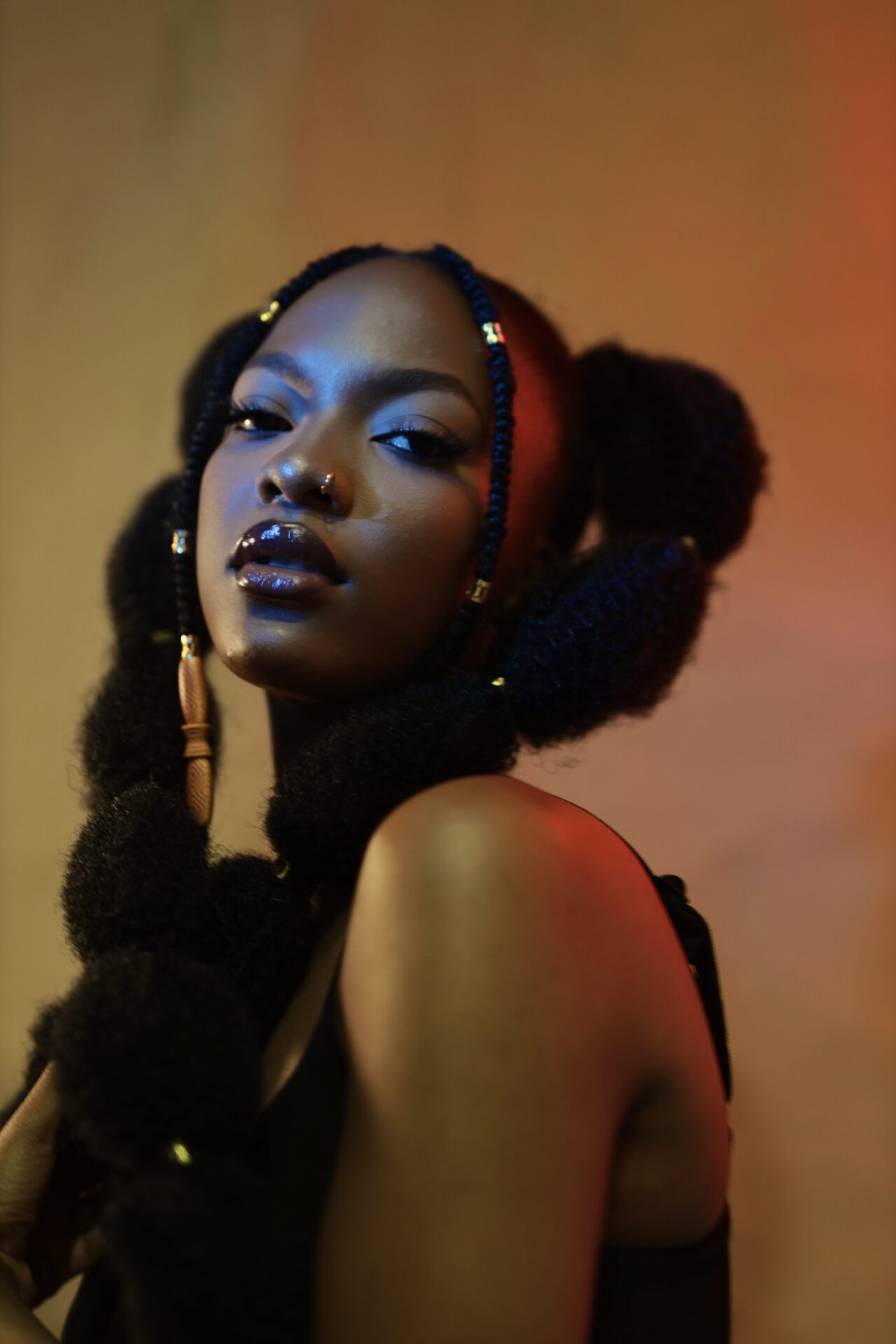

Chavala Yaduma is a dynamic filmmaker and passionate advocate who uses storytelling to shine a light on some of society’s most pressing issues. As the founder of Vala Films, she leads a creative company committed to producing powerful, socially relevant stories that spark conversation and inspire change. Her work is particularly focused on gender equality, education and environmental justice, using film as a platform to amplify important voices, challenge perspectives and connect audiences with stories that matter.
What was the starting point for this film, and what made you want to tell this particular story?
The topic of gender-based violence has always felt incredibly urgent to me, and I knew that at some point I wanted to address it through film. The first idea for Sanctuary came to me a couple of years ago when I attended my first self-defence class. I remember looking around the room and wondering what kind of story or interaction could come from a setting like that. I wrote something down, but left it alone for a while. Then the story of Ochanya in Nigeria broke, and it broke my heart all over again. That was when I knew it was time to return to the idea. It also made me think about how abuse so often happens in the very places we consider safe — our homes, families, churches and so-called sanctuaries. That became an important part of the story and ultimately inspired the title.
What did the short-film format allow you to do creatively that a longer format might not have?
Honestly, a lot. The limitations of making a short film completely changed what Sanctuary became. The original idea was a fairly straightforward drama, but we encountered unforeseen circumstances while filming. We had limited time, and I knew the story needed to remain short. Those limitations forced us to rethink how we communicated certain things, and the film gradually became more surreal and experimental. It wasn’t what I originally envisioned, but I think what we ended up with is more interesting. It taught me that being forced to find another way into a story can sometimes take you somewhere you never expected.
Is there a particular moment, character or idea in the film that holds special significance for you as the director?
Adura, definitely. Particularly what her character represents about fear, resilience and choosing to try again. That idea is very personal to me because, in many ways, it has been the basis of my career as a filmmaker. You feel the fear and do it anyway. Something doesn’t work, you get up and try again. You fail, you learn, you try again. There’s something very human about Adura continuing to show up despite what she carries with her. Her journey is very different from mine, but that idea of refusing to let fear be the end of your story is something I connect with deeply.
What conversation do you hope the film creates with audiences after they leave the cinema?
I want us to talk about the ways African families, communities and even places of worship can sometimes protect abusers in the name of avoiding shame. There is an instinct to keep things within the family, protect the reputation of a home or institution, or avoid an uncomfortable conversation. Too often, the person who pays the price for that silence is the victim. I want us to move away from treating conversations about abuse as shameful or inappropriate. Silence doesn’t protect victims. We need to be willing to have these conversations, believe people when they speak, and question the systems and spaces that allow abuse to remain hidden.
Where does this film sit within your wider creative journey, and what are you interested in exploring next as a filmmaker?
Sanctuary feels like another step in the direction I’ve always wanted my work to go. I want to keep telling socially conscious stories, but on a bigger and more global stage. I’m still learning. I want to keep improving as a director, experimenting with how I tell stories and challenging myself creatively with every project. I never want to reach a point where I feel I’ve figured filmmaking out. Ultimately, I want to keep growing, make stronger films, reach wider audiences and hopefully create work that finds the people who need to see it.