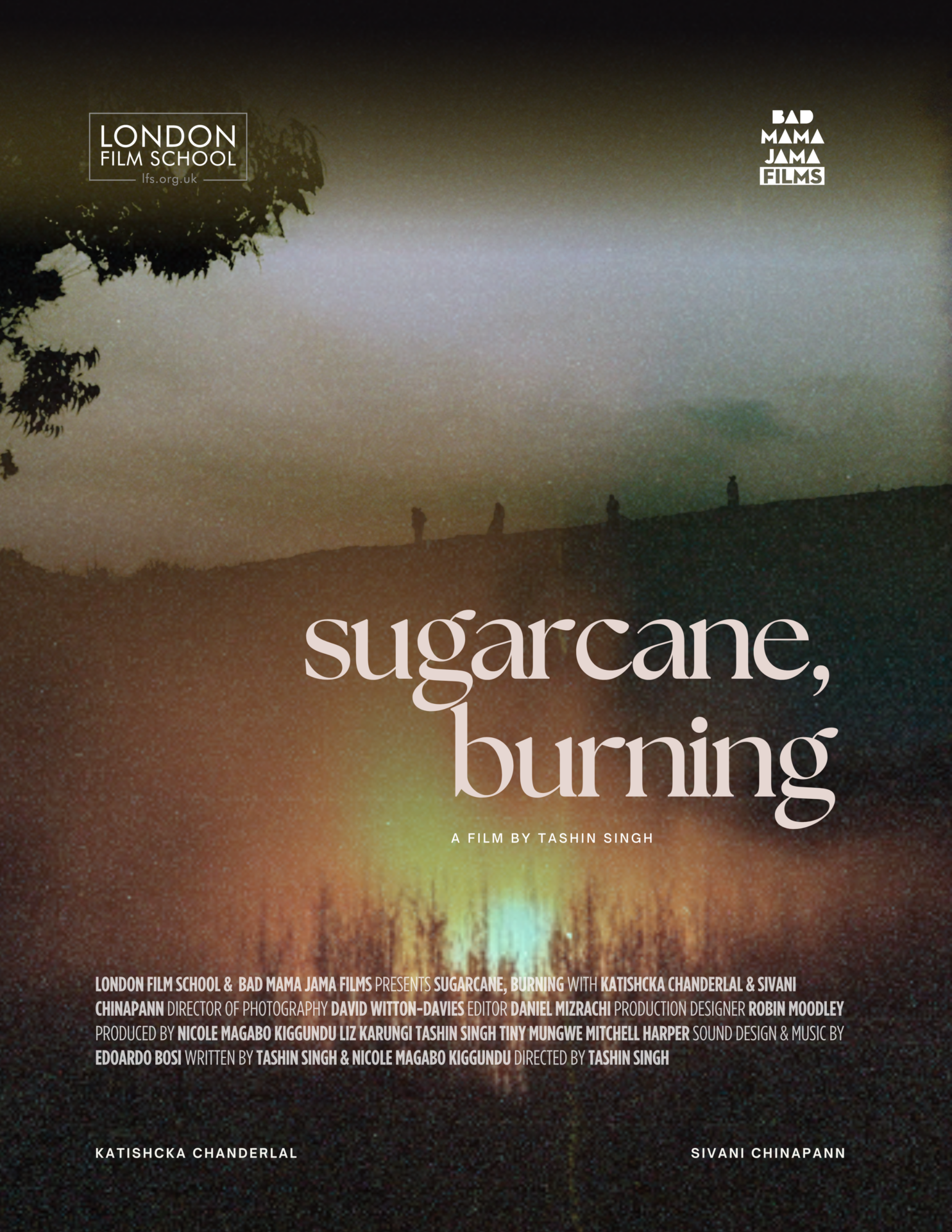
In the late nineteenth century, thousands of Indians crossed the ocean to colonial Natal in Southern Africa as indentured labourers, carrying with them fragments of language, memory and home.



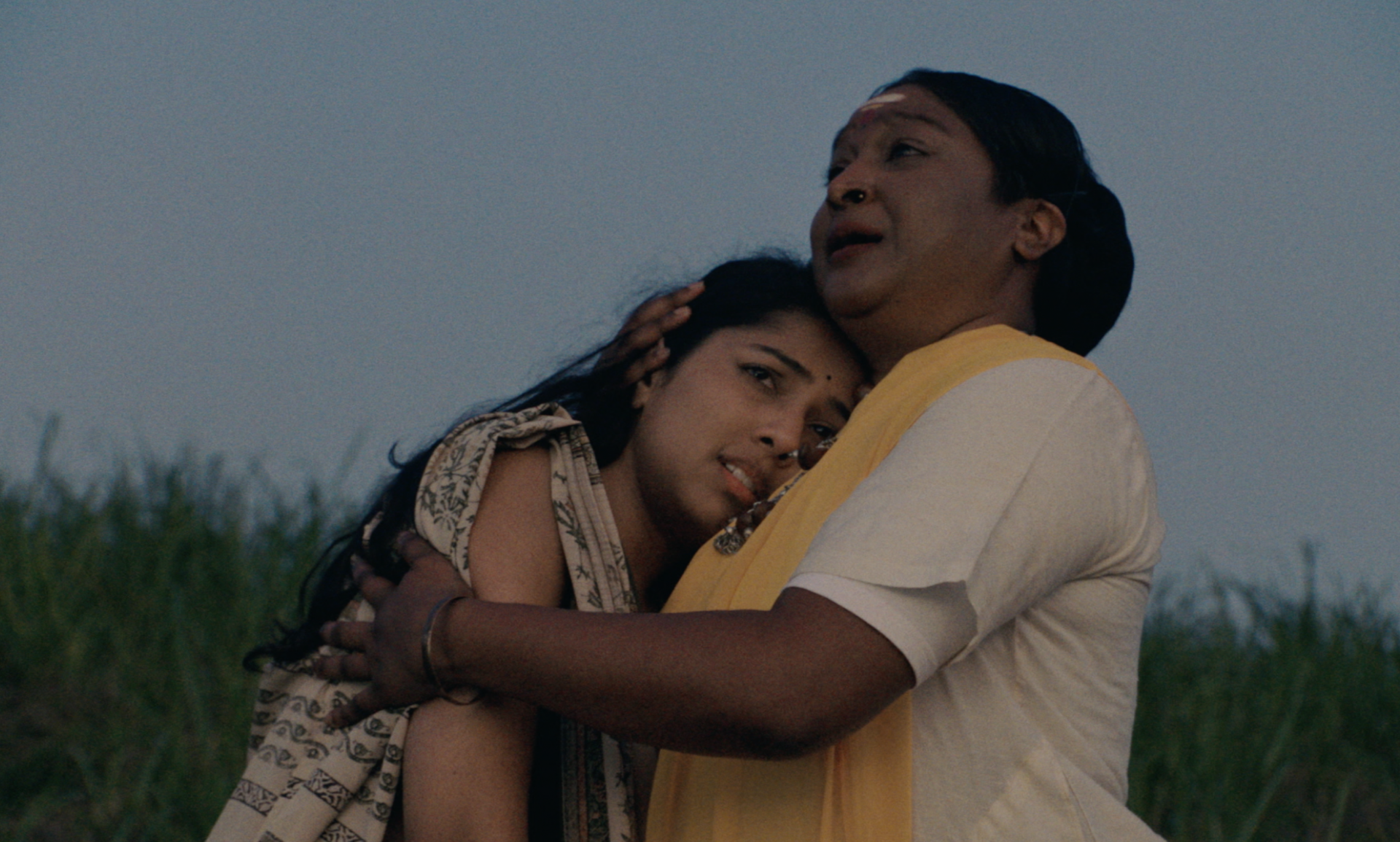
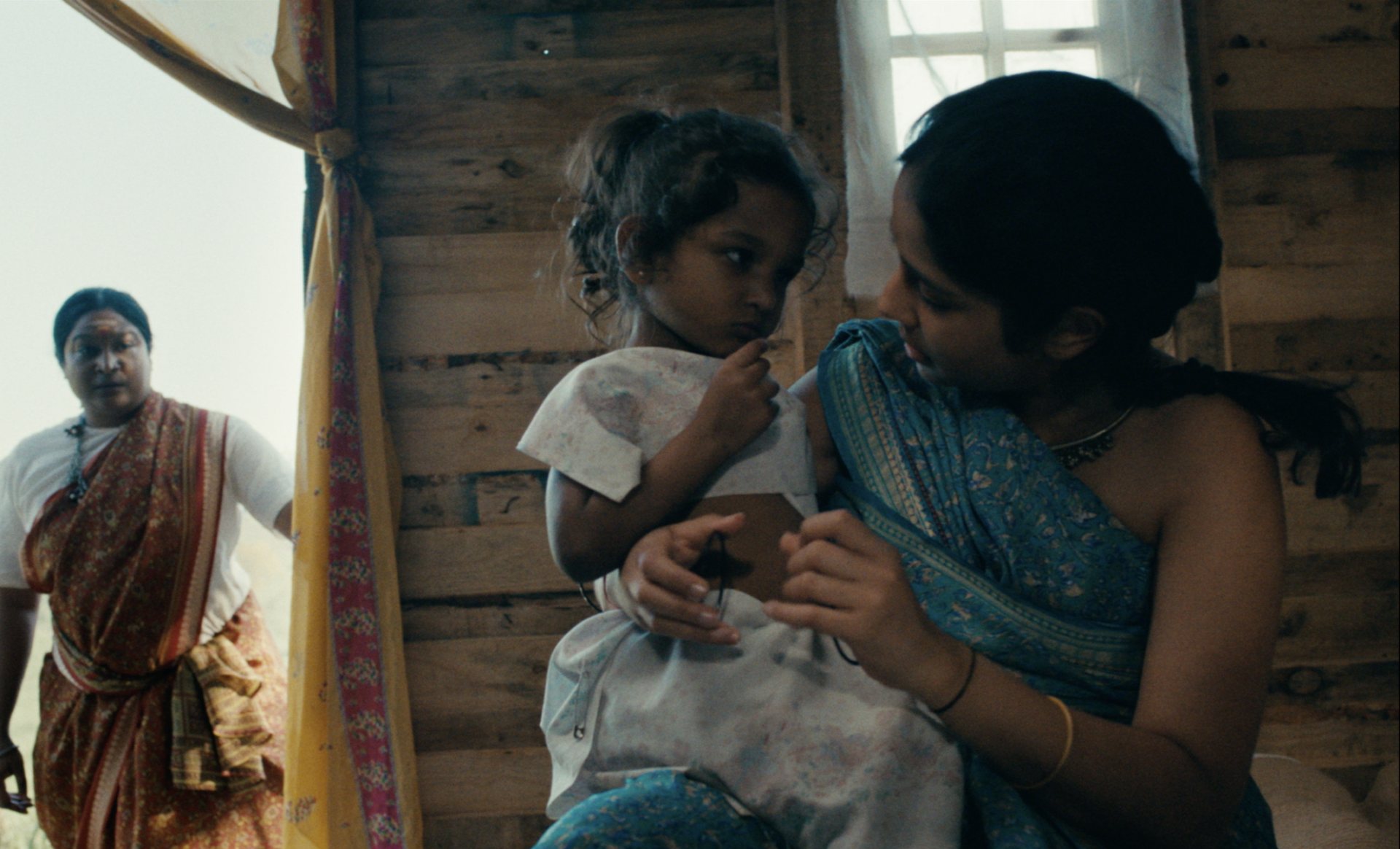
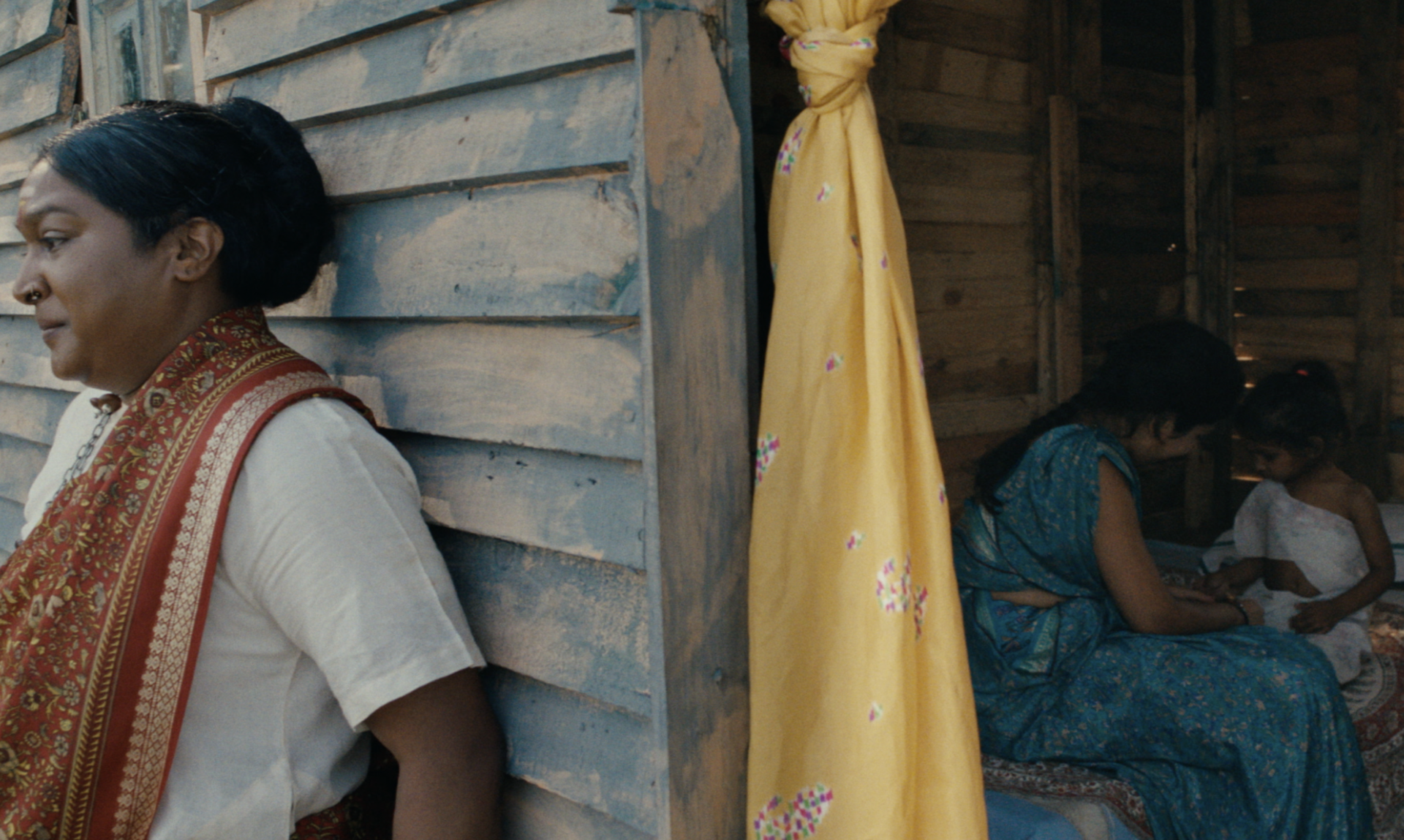
A young woman stands on the threshold of motherhood, caught between what she has inherited and what she will pass on. Through matrilineal memory, she returns to the presence of her own mother — her touch, her language, her breath — and confronts the quiet ruptures left by migration and time.
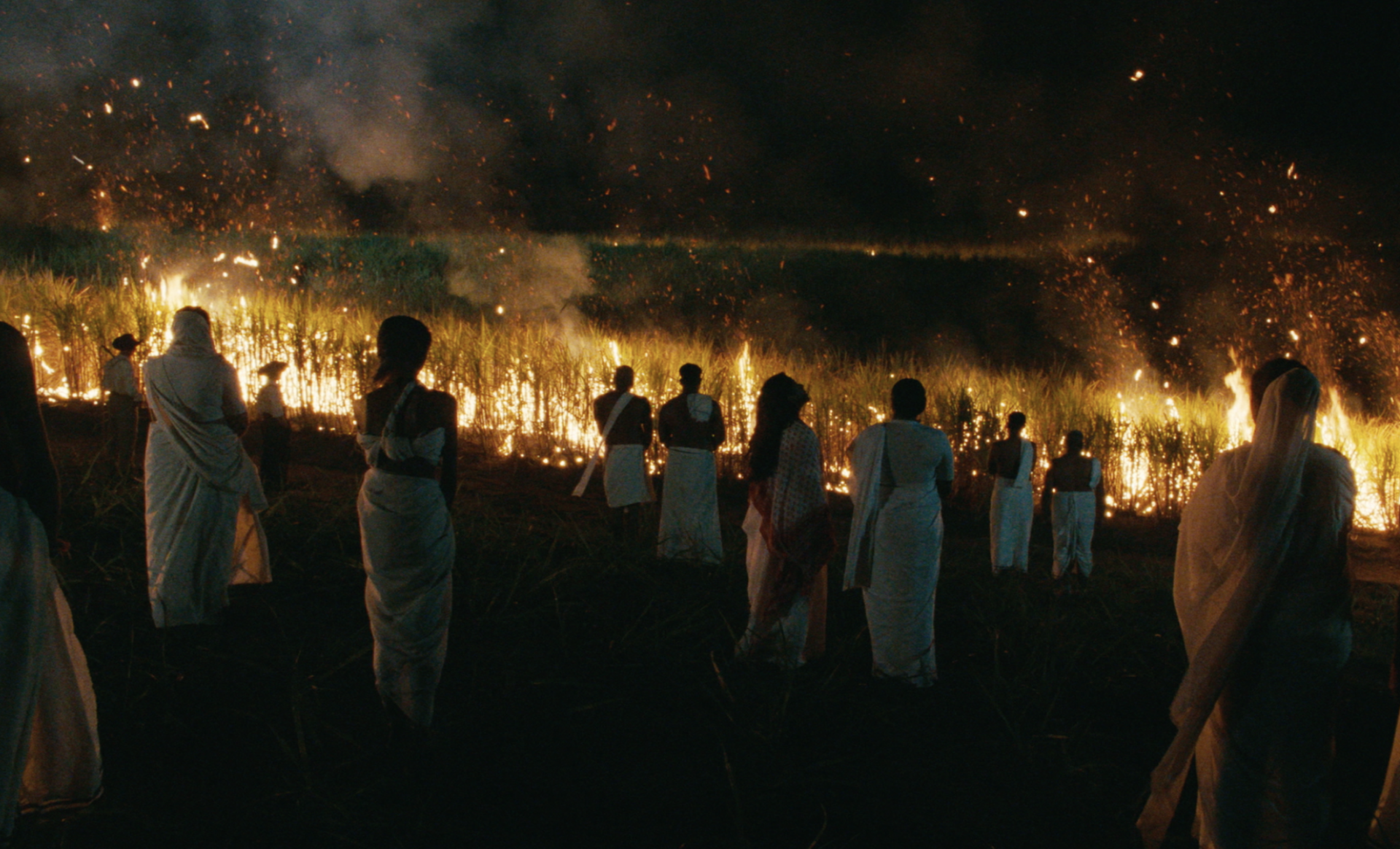
As past and present converge, Mira reflects on what survives: the names we are given, the words we struggle to preserve and the invisible weight carried across generations. Like fields that must be burned before they can be sown again, loss and inheritance exist side by side.
Sugarcane, Burning is a meditation on lineage, absence and the enduring act of carrying forward what remains.
What was the starting point for this film, and what made you want to tell this particular story?
This story began long before I knew it could become a film. Many decades ago, my great-grandfather boarded a ship from India to Natal, hidden as a stowaway. This is almost all I know about my family’s arrival in South Africa. Yet from that fragment came generations of displacement, silence, resilience and longing — a history familiar to many descendants of migration. In learning more about the lives of Indian South Africans, I came to understand the depth of what was carried through colonial rule and apartheid: emotional, physical, financial and cultural oppression that settled into families, bodies and land. These histories are not distant to me. They live in questions of who we are, what we have inherited, what was taken and what remains. This film is my attempt to look towards that inheritance.
What did the short-film format allow you to do creatively that a longer format might not have?
Our first cut was almost 30 minutes and could easily have been longer. In the edit, we tried to be critical of ourselves and made some difficult decisions about what to cut, which is never easy. The short form allowed us to be ruthless. It forced us to focus on what we wanted the audience to feel and what we were really trying to say. There is something liberating about stripping a story back to its emotional core. Every image, silence and moment had to earn its place.
Is there a particular moment, character or idea in the film that holds special significance for you as the director?
The final scene holds particular significance for me — both because of what it means within the story and because of how it came to be. We had been told that a neighbouring sugarcane farm would be burning its crop, but we didn’t know when. At the end of shooting another scene, we suddenly heard that it was happening that night. We abandoned our plans for the rest of the day, moved the entire unit to another farm, called actors who weren’t scheduled to shoot and got everyone deep into a sugarcane field in the darkness. We had almost no time for setup or blocking. But we got there. Standing in the darkness, watching this enormous fire spread across the land with ash floating through the air like snow, felt incredibly special. It had been a gruelling shoot, with so much not going to plan, and suddenly it felt as though we were living inside the film itself. It became a moment that would have been impossible to plan.
What conversation do you hope the film creates with audiences after they leave the cinema?
In the lead-up to making this film — and since completing it — I have had many conversations about the ancestry of indentured labourers and their journeys to South Africa. It has surprised me how often this history is overlooked, not only by South Africans broadly, but even within Indian communities themselves. While Sugarcane, Burning is rooted in pain, I did not want to make a film only about suffering. I wanted to honour the tenderness, dignity and resilience of those who came before us — especially the women whose strength held families and communities together across generations. If there were only one film I made in my life, I would want it to be this one. I hope it encourages conversations around migration and displacement while offering a way into the painful past of my people — and the enduring spirit that allowed them to remain, remember and continue.
Where does this film sit within your wider creative journey, and what are you interested in exploring next as a filmmaker?
Sugarcane, Burning feels like both an arrival point and a beginning. It is the most personal film I have made and helped me understand the stories I want to tell — stories at the intersection of the personal and political, exploring identity, migration, memory, masculinity and inherited histories. I have two films in development that continue these questions in different ways. The Silence We Inherit looks at the silences, wounds and histories passed between generations of men, while Indefinite Leave to Remain explores the contemporary immigrant experience and questions of belonging, home and displacement. I want to make films that are emotionally intimate while engaging with larger histories and social questions. Sugarcane, Burning was my way of looking backwards and trying to understand where I came from. The films I make next will continue that exploration, asking what we choose to carry forward — and what it means to decide where we belong.