What was the starting point for this film, and what made you want to tell this particular story?
My journey with Sikelela dates back to 2012, when, during my final year studying Musical Theatre at university, I had an almost uncontrollable desire to write a musical. I won’t go into that story — we would finish all the snacks.
Fast-forward to 2020, when a friend asked: “Why has nobody written a stage musical about Enoch Sontonga and the story behind our national anthem?” That question became the catalyst. With the family’s blessing, I began developing the libretto and fundraising for the production. In 2024, the stage version toured nationally and was recognised for Outstanding Theatre Production at the National Arts & Culture Awards in Sun City.
After the final leg in Cape Town, I began thinking about the limitations of live theatre in reaching new audiences. Film offered greater accessibility, longevity, scalability and artistic flexibility.
At the heart of the story is Enoch Sontonga’s journey towards composing Nkosi Sikelel’ iAfrika, which became a pan-African liberation anthem. Despite its profound cultural significance, Sontonga remains relatively unknown. He died in obscurity in 1905, aged just 32. That contrast between his extraordinary legacy and how little we know about the man compelled me to tell his story.
What did the short-film format allow you to do creatively that a longer format might not have?
The logistical and financial constraints of the project naturally shaped the short-film format. From the outset, I approached it as a presentation and proof of concept that could demonstrate the project’s artistic and commercial potential.
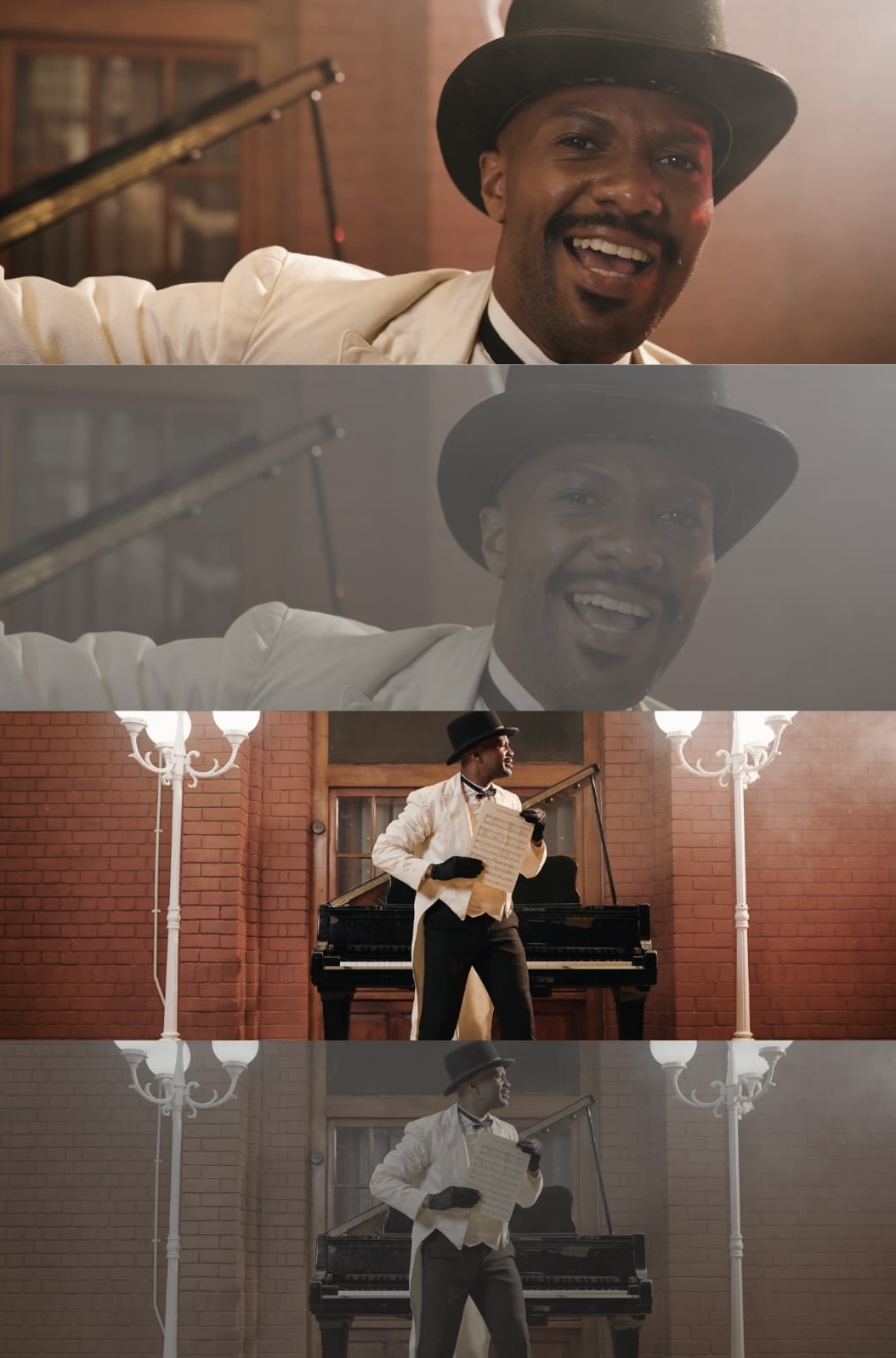
The format allowed me to distil Sontonga’s story into music, movement, memory and visual symbolism rather than chronicle his entire life. It traces his hopes, spiritual conviction and emerging sense of purpose as he reflects on ancestry, his homeland and the aspirations of his people. Fragments of melody and memory gradually converge, culminating in an homage to a composition that would ultimately acquire a significance far beyond its creator’s lifetime.
Is there a particular moment, character or idea in the film that holds special significance for you as the director?
There are several.
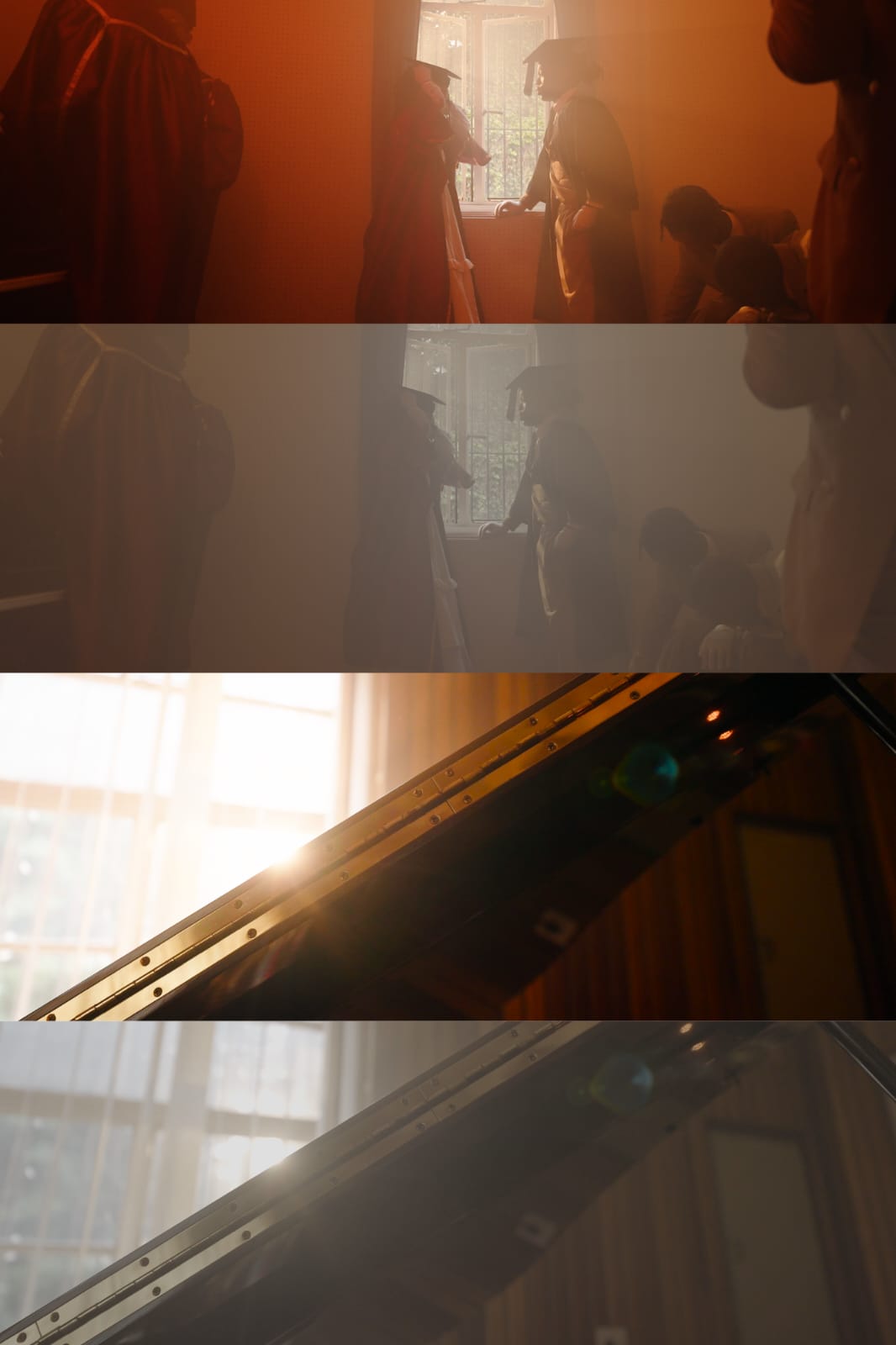
I’m particularly proud of the opening-credit montage and title reveal because they came together almost exactly as I had imagined and written them. The first moment we encounter Sontonga alone in his dormitory shifts the mood from movement and noise to calm, introspection and focus. It gives us an early sense of his personality. I also love the moment when he sits on the hallway bench as fellow graduates gradually exit the frame behind him.
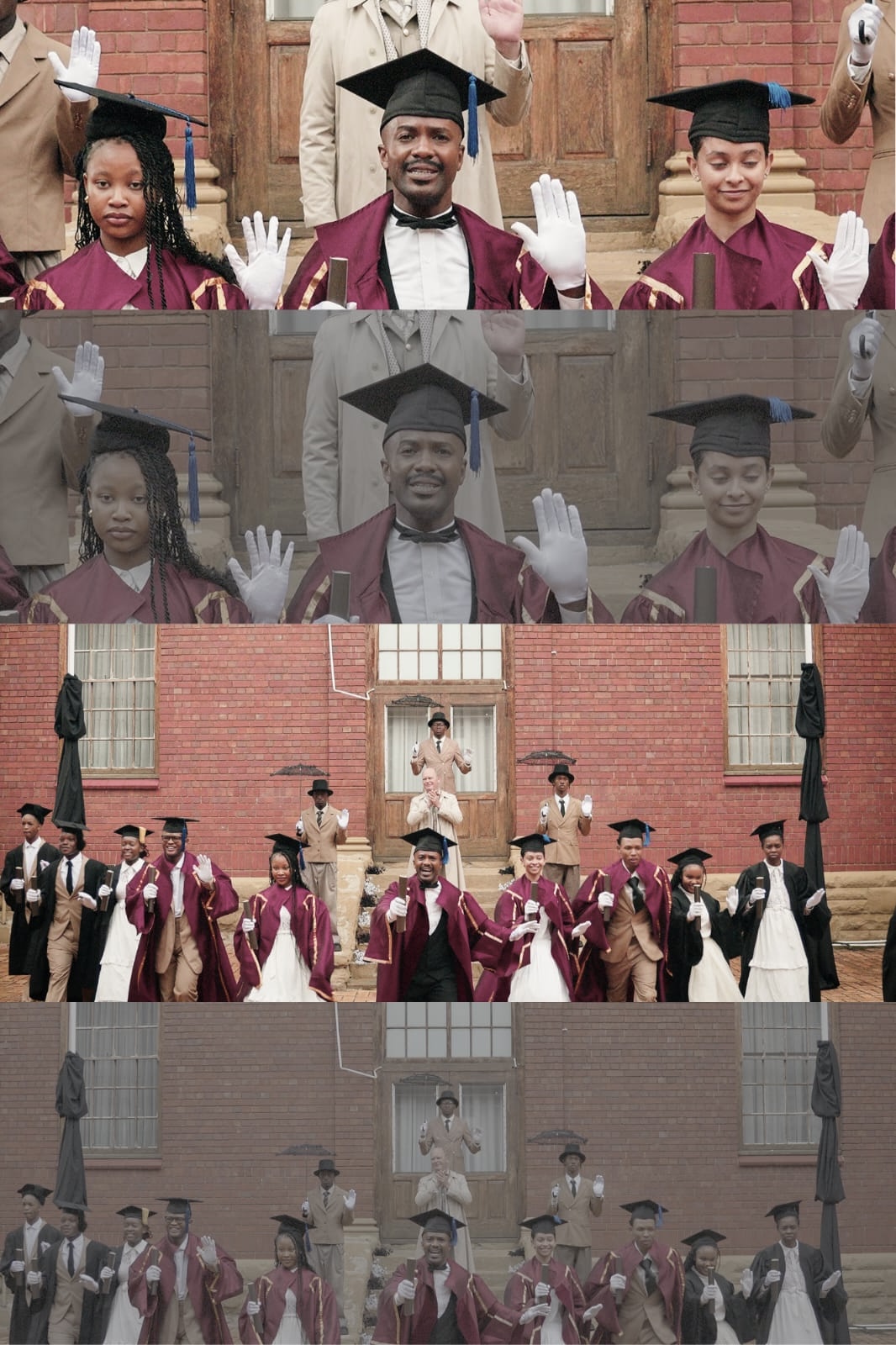
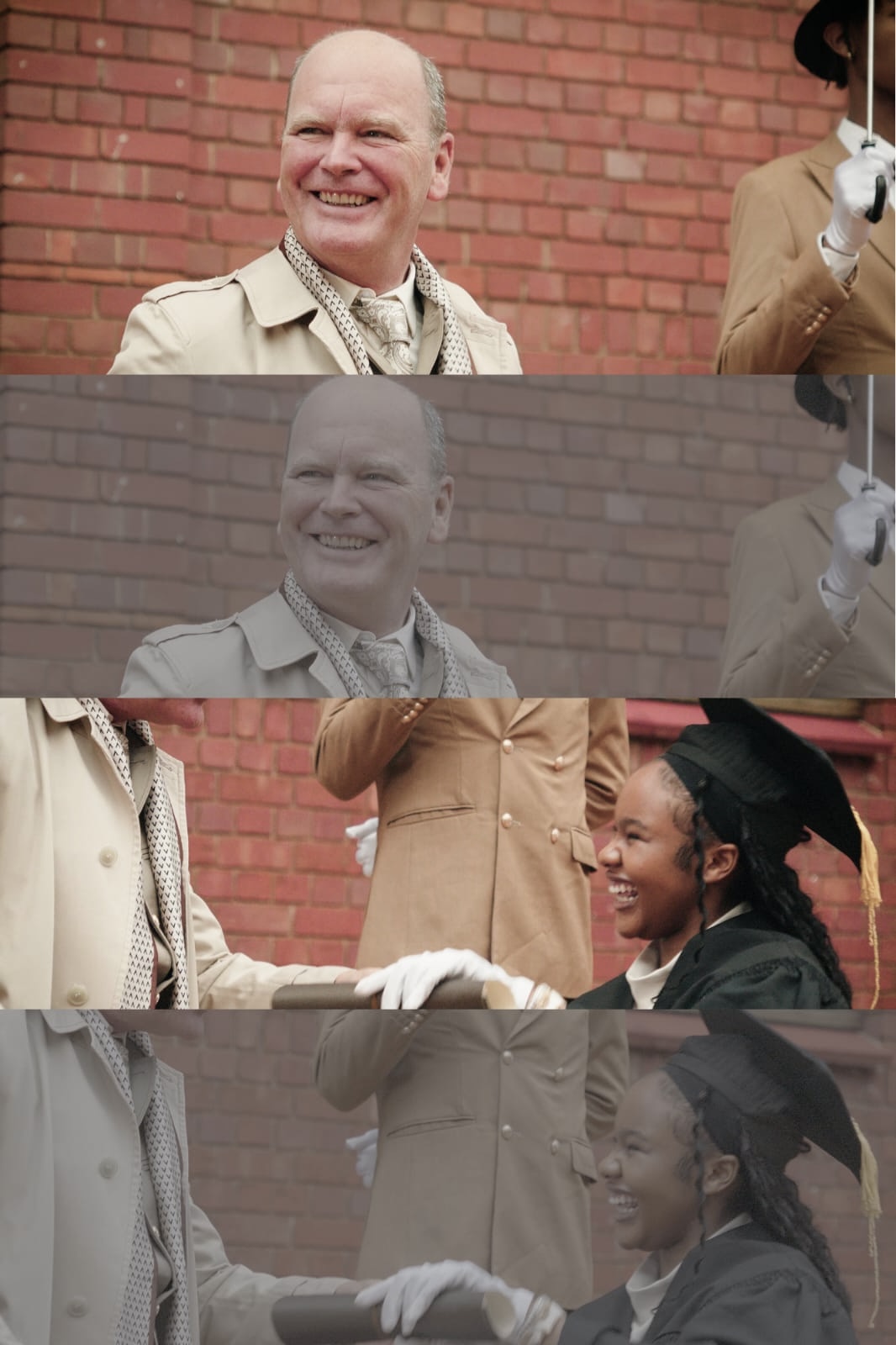
The guest appearance by Robert Hobbs as Reverend Dr James Stewart was also particularly rewarding. His centred, commanding presence is palpable, and the frame of him overlooking the hopeful graduates approaching the camera remains my favourite piece of cinematography in the film.
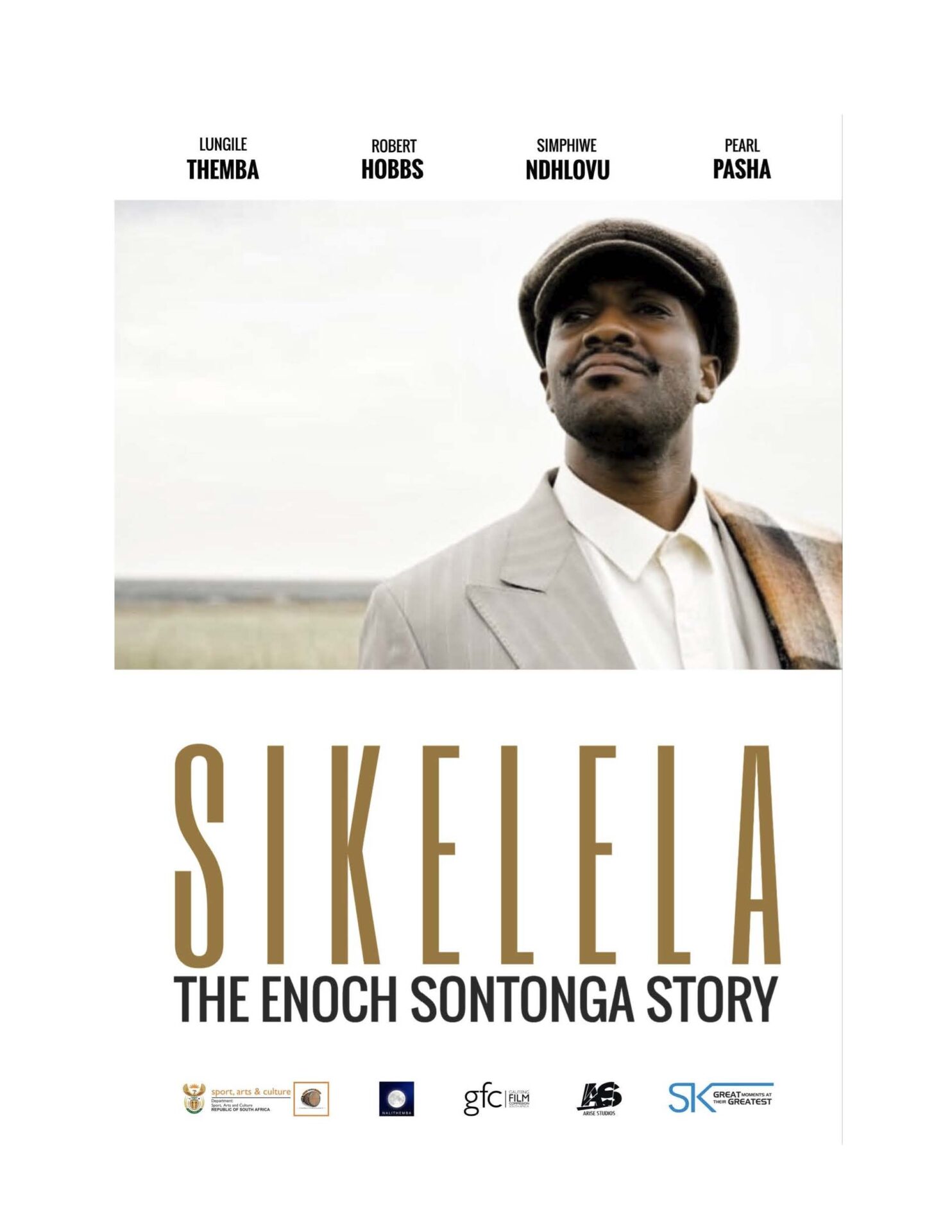
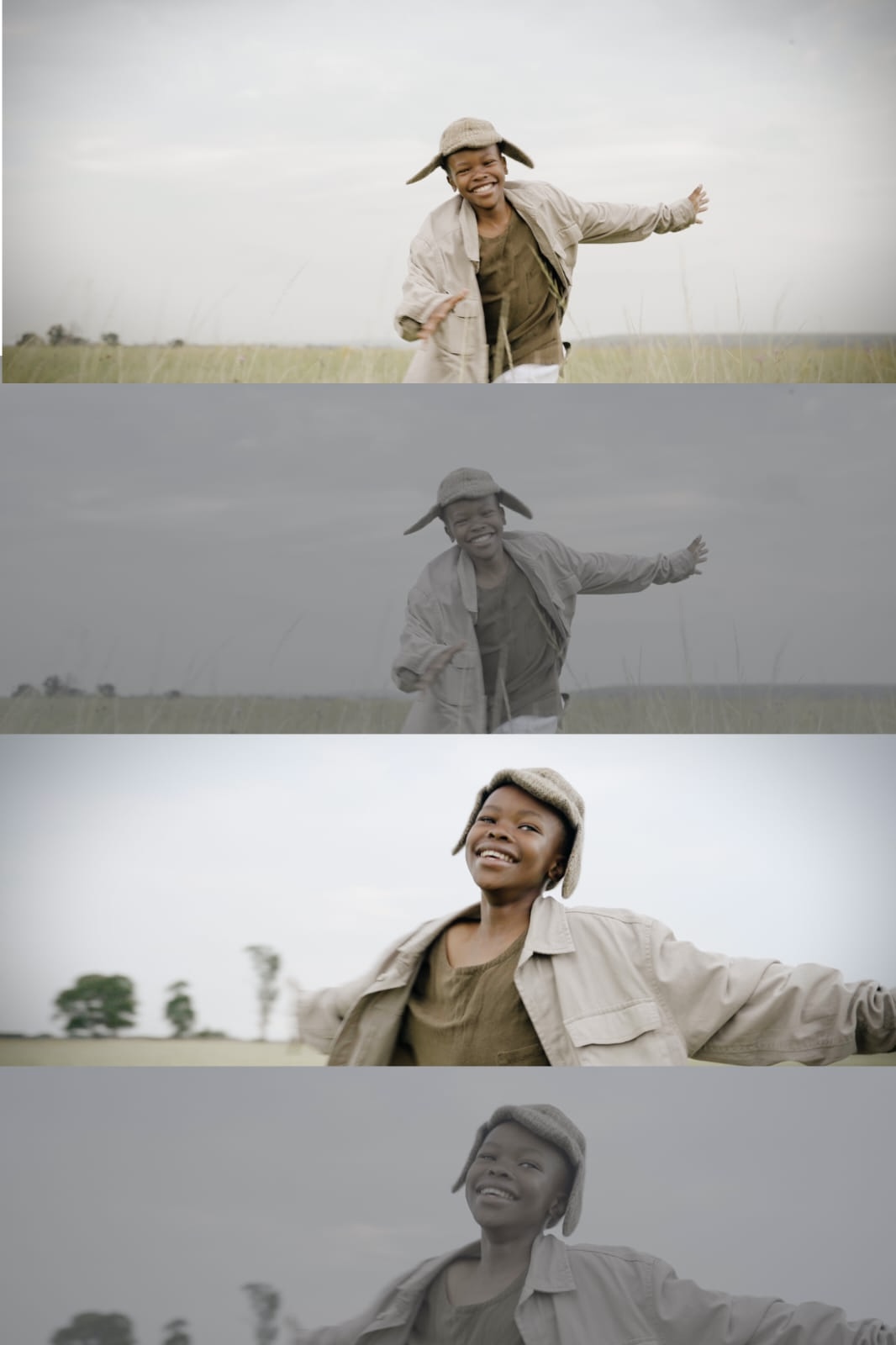
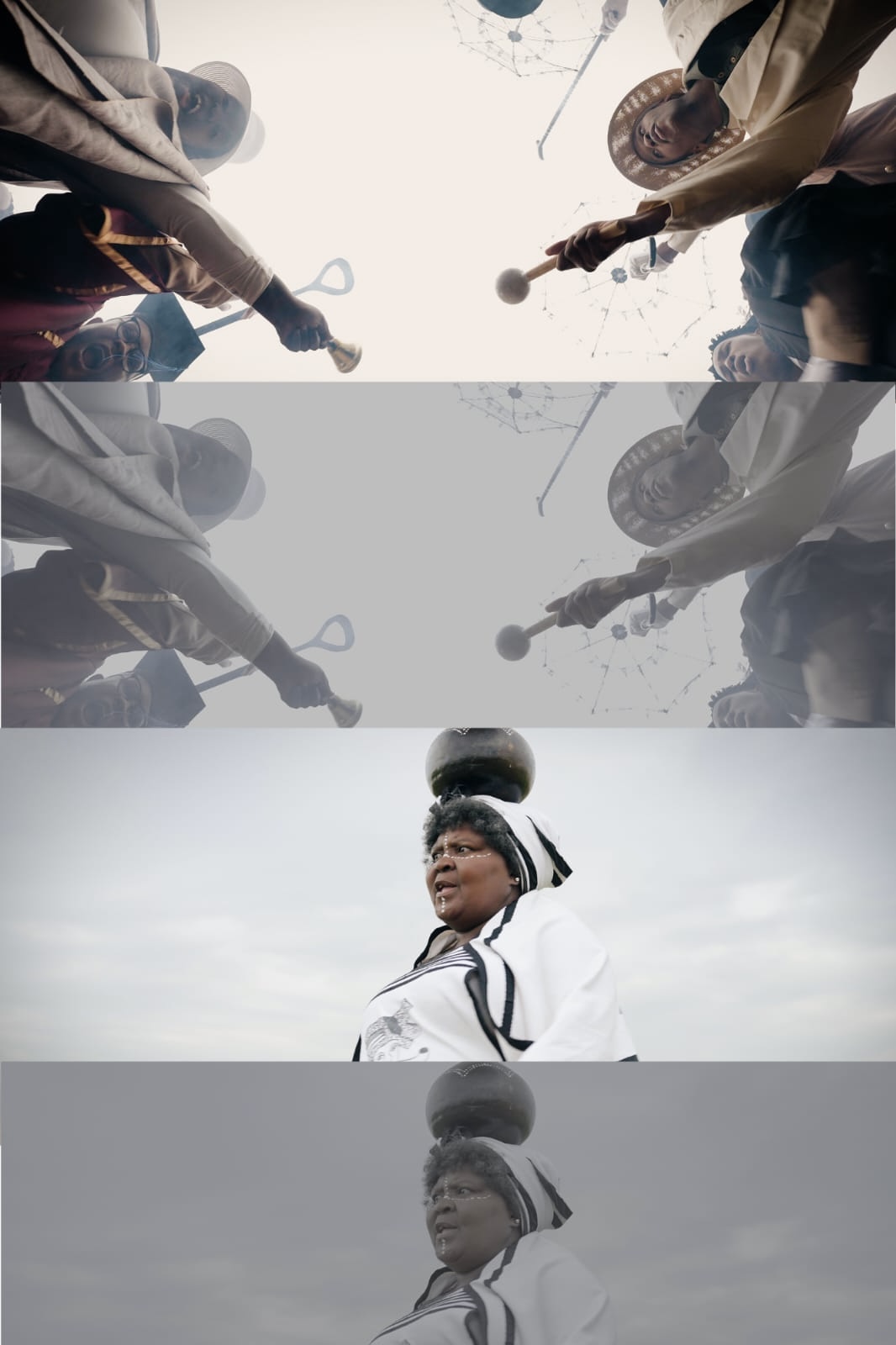
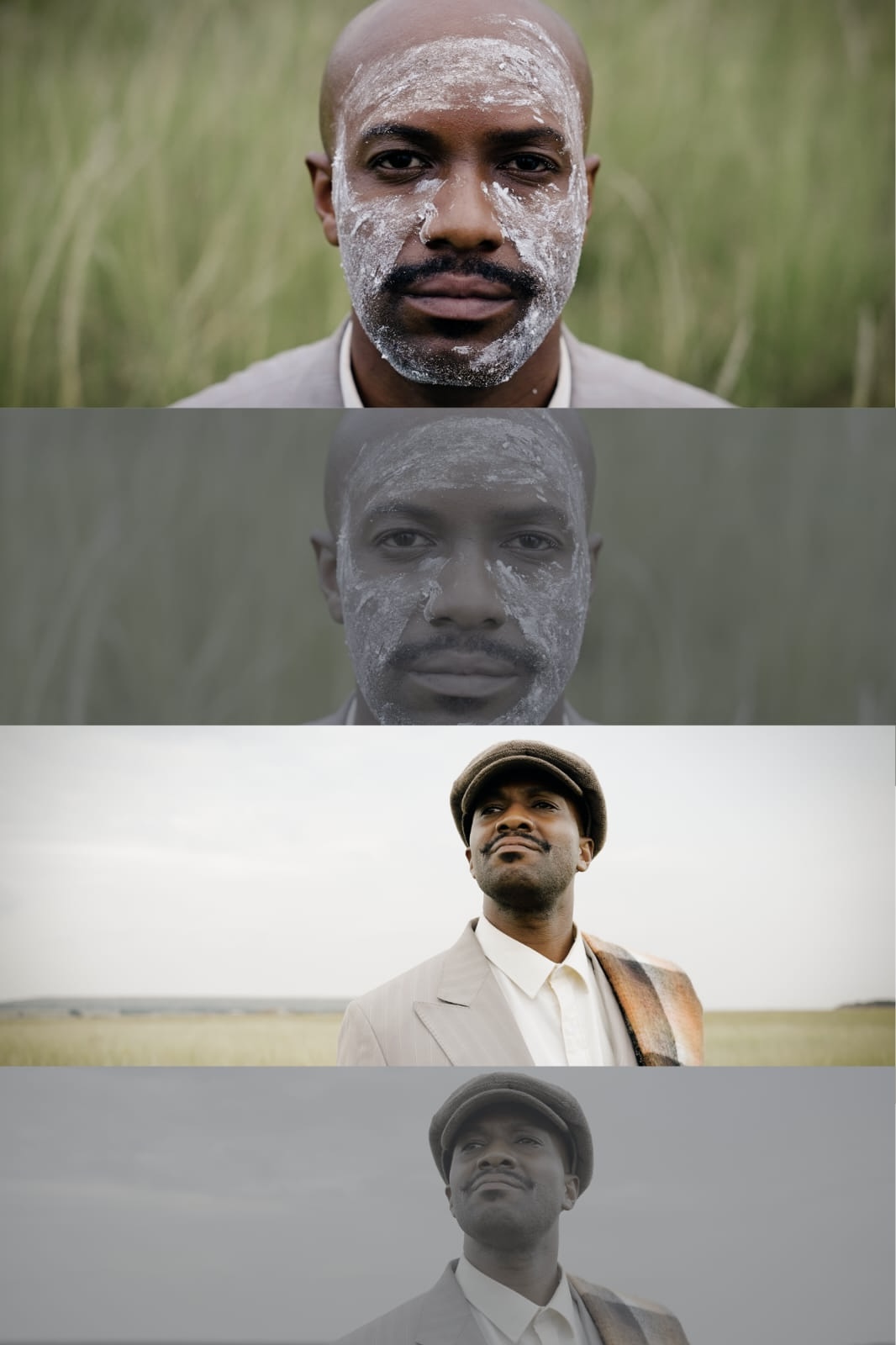
Finally, I have a particular attachment to the transition from the Failed Graduate sequence into the Eastern Cape landscape: young Enoch running through the fields, the symbolic handover of the music and the final image of Sontonga. That image ultimately became the official film poster.
What conversation do you hope the film creates with audiences after they leave the cinema?
I hope Sikelela contributes to the growing appetite for original South African stories beyond familiar narratives of crime, drugs and prostitution.
We have a wealth of historically significant, educational and entertaining stories that can preserve our heritage while making our cultural history more accessible. Most importantly, I hope the film inspires curiosity: Who was Enoch Sontonga? Who wrote Nkosi Sikelel’ iAfrika? How did his composition evolve into the anthem we know today?
Where does this film sit within your wider creative journey, and what are you interested in exploring next as a filmmaker?
I have come to understand that I am a creative producer who works best when focused on a single, clearly defined vision. At this point, Sikelela remains at the centre of my creative journey.
The ultimate goal is to realise a full-length feature film. This short has allowed me to translate the concept into cinematic language, test its potential and establish a foundation for developing the larger story.
I am also expanding the project through music, with a forthcoming soundtrack supported by singles including Ndiza and Umuntu Wethu, both available on major streaming platforms. Umuntu Wethu is also featured in the Netflix telenovela The Four of Us.