What was the starting point for this film, and what made you want to tell this particular story?
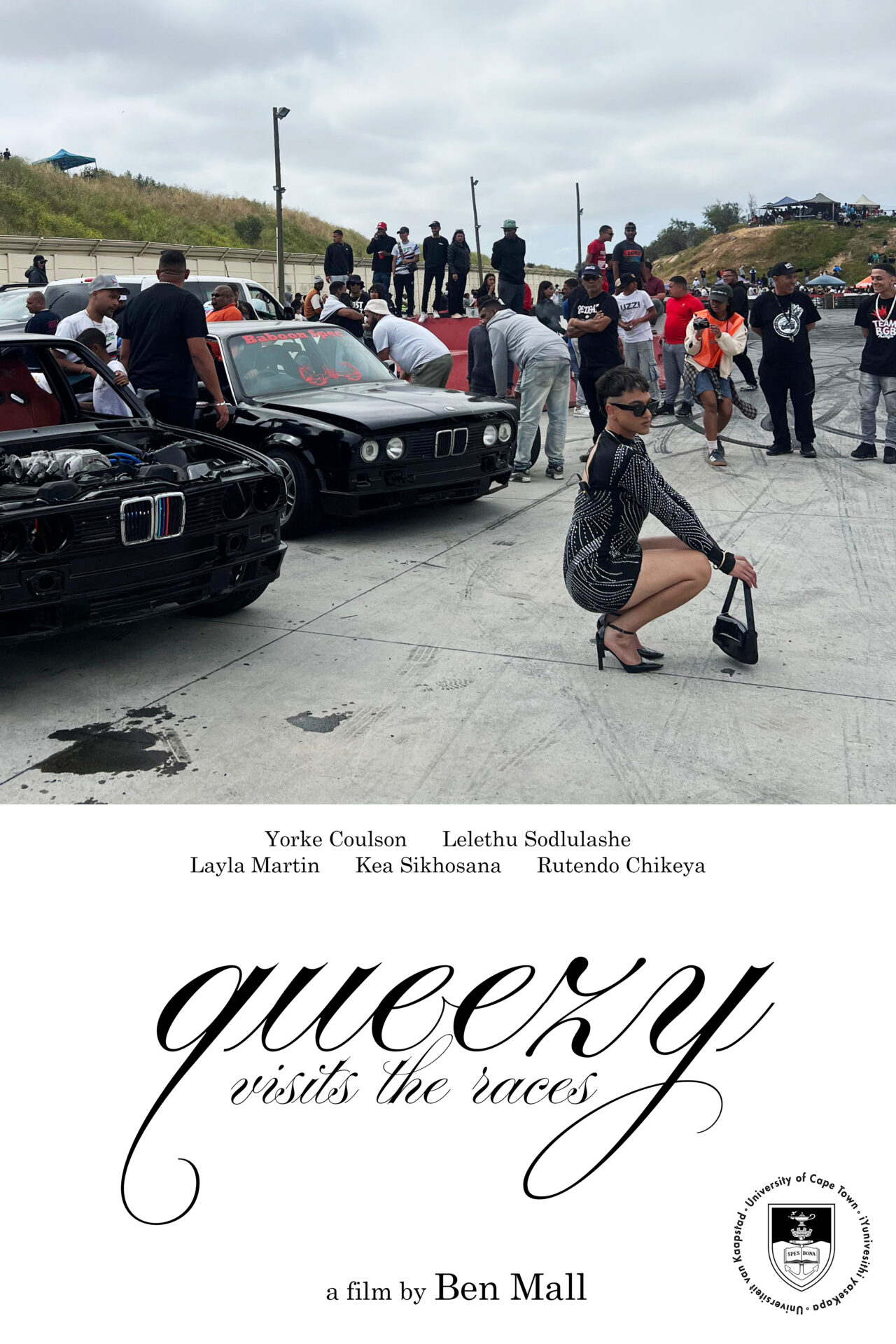
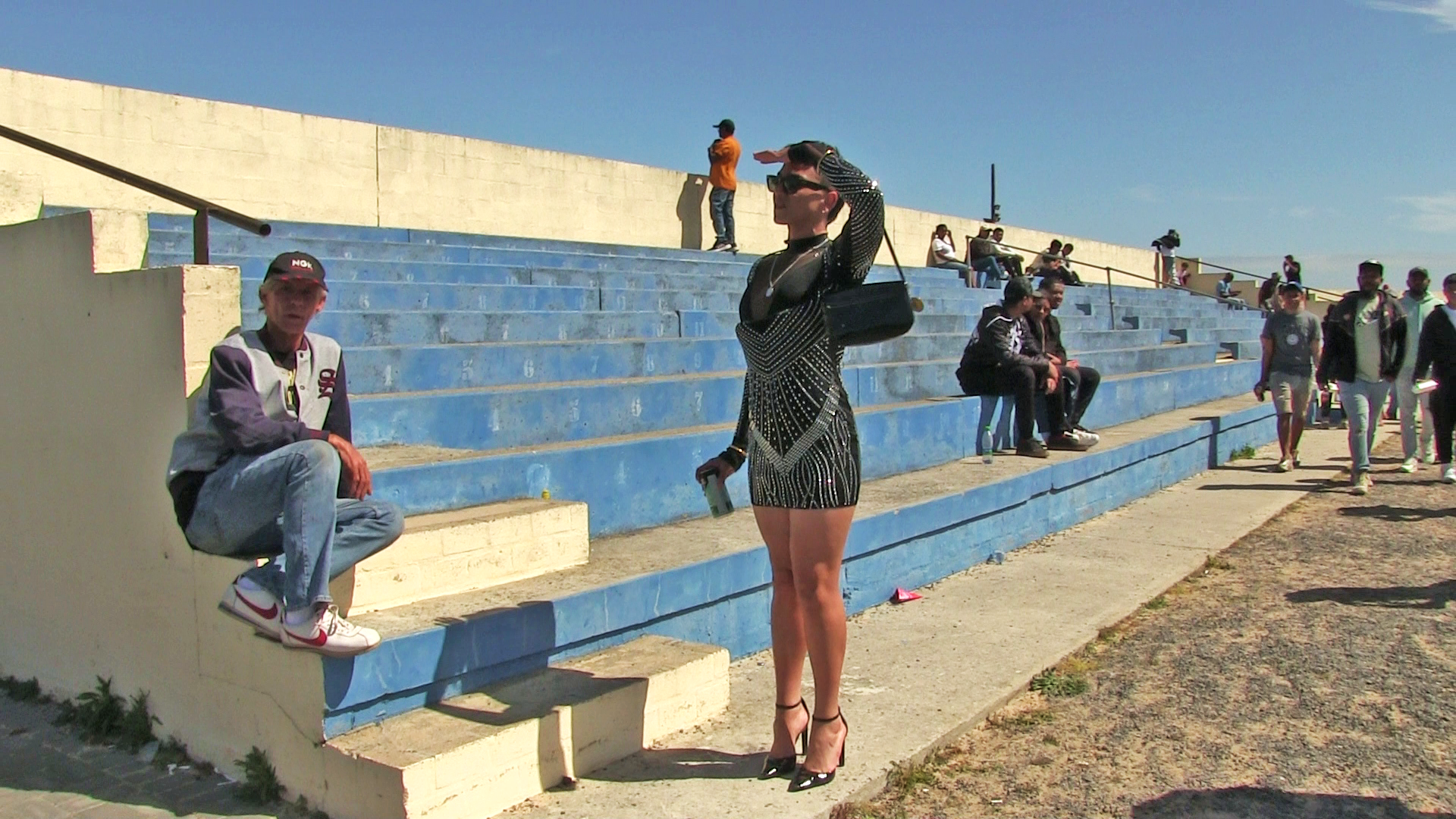
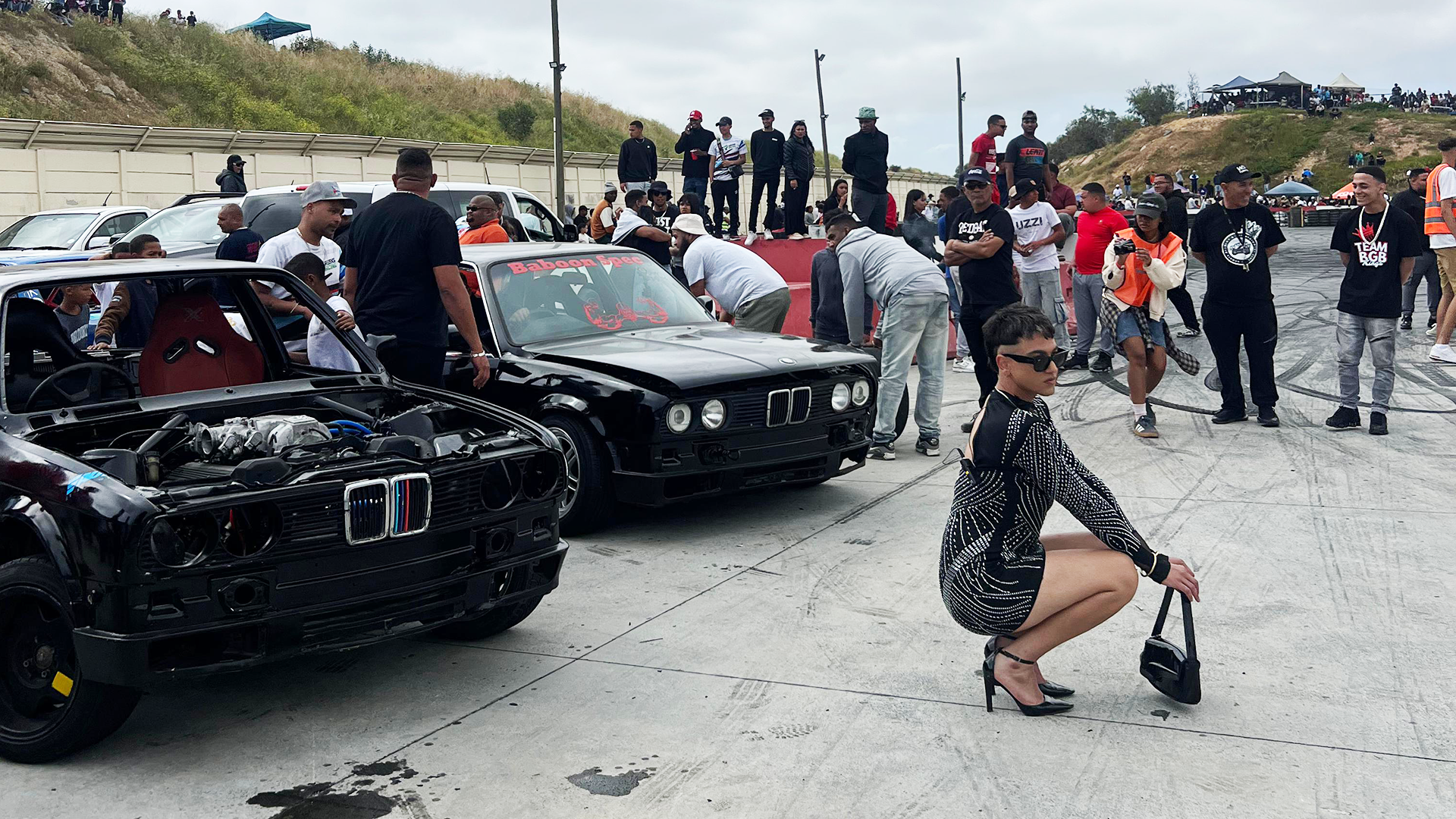
I’m excited by the idea of placing subjects into unconventional or historically forbidden spaces with a bold confidence that demands attention. At the same time, I wanted to imagine a future where queer bodies can coexist in everyday spaces without fear, thriving beyond alternative or ‘safe’ spaces. I also believe Cape Town’s racing scene is an underrepresented part of the city’s culture, possibly because of the negative reputation it receives from the media and local government. I thought it would be interesting to introduce audiences to this world through a queer perspective. The film brings together two worlds that may initially seem contradictory. Perhaps the way car lovers adorn their vehicles with shiny, bright accessories and roaring engines parallels the fierce self-expression of queer bodies.
What did the short-film format allow you to do creatively that a longer format might not have?
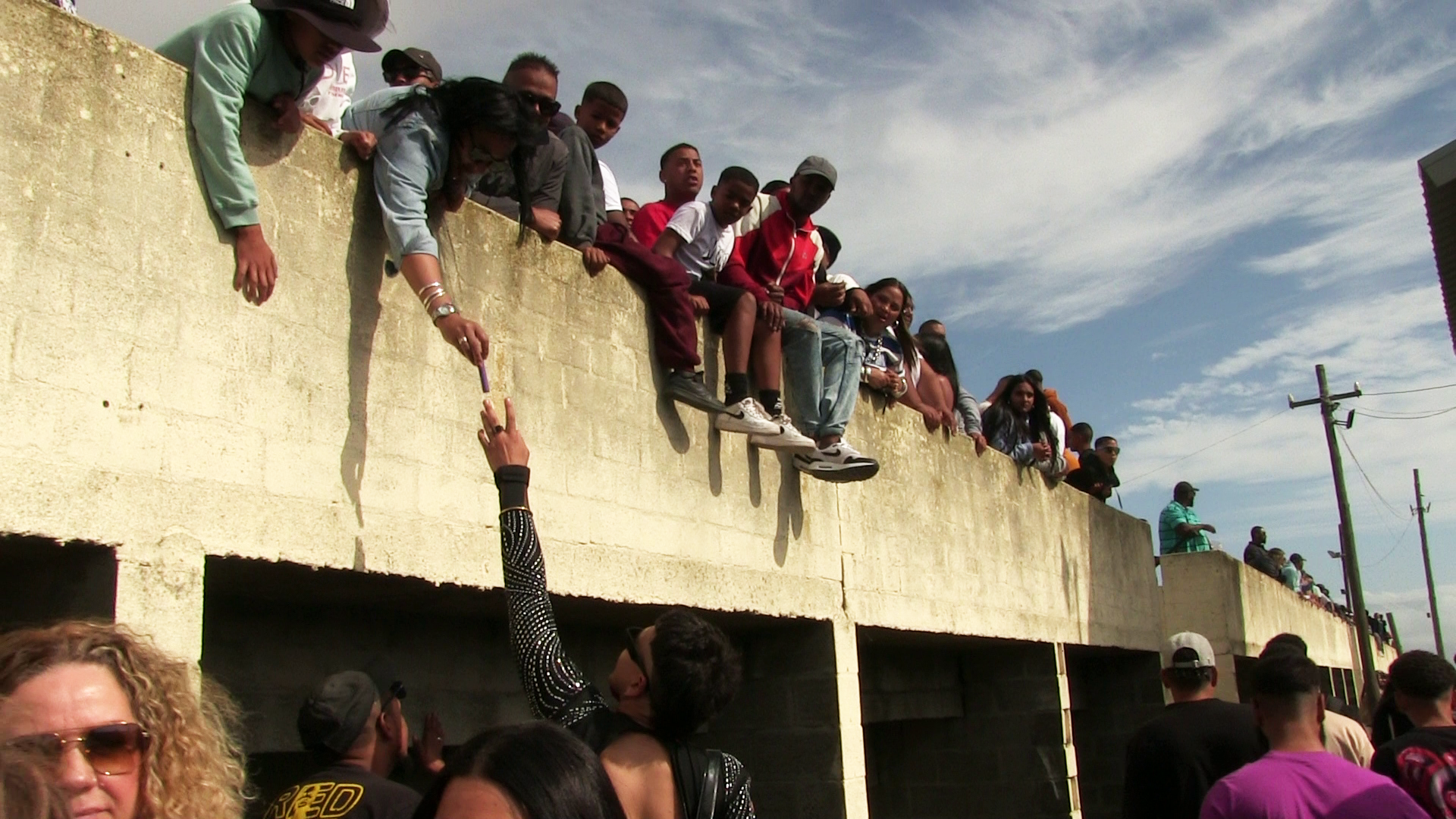
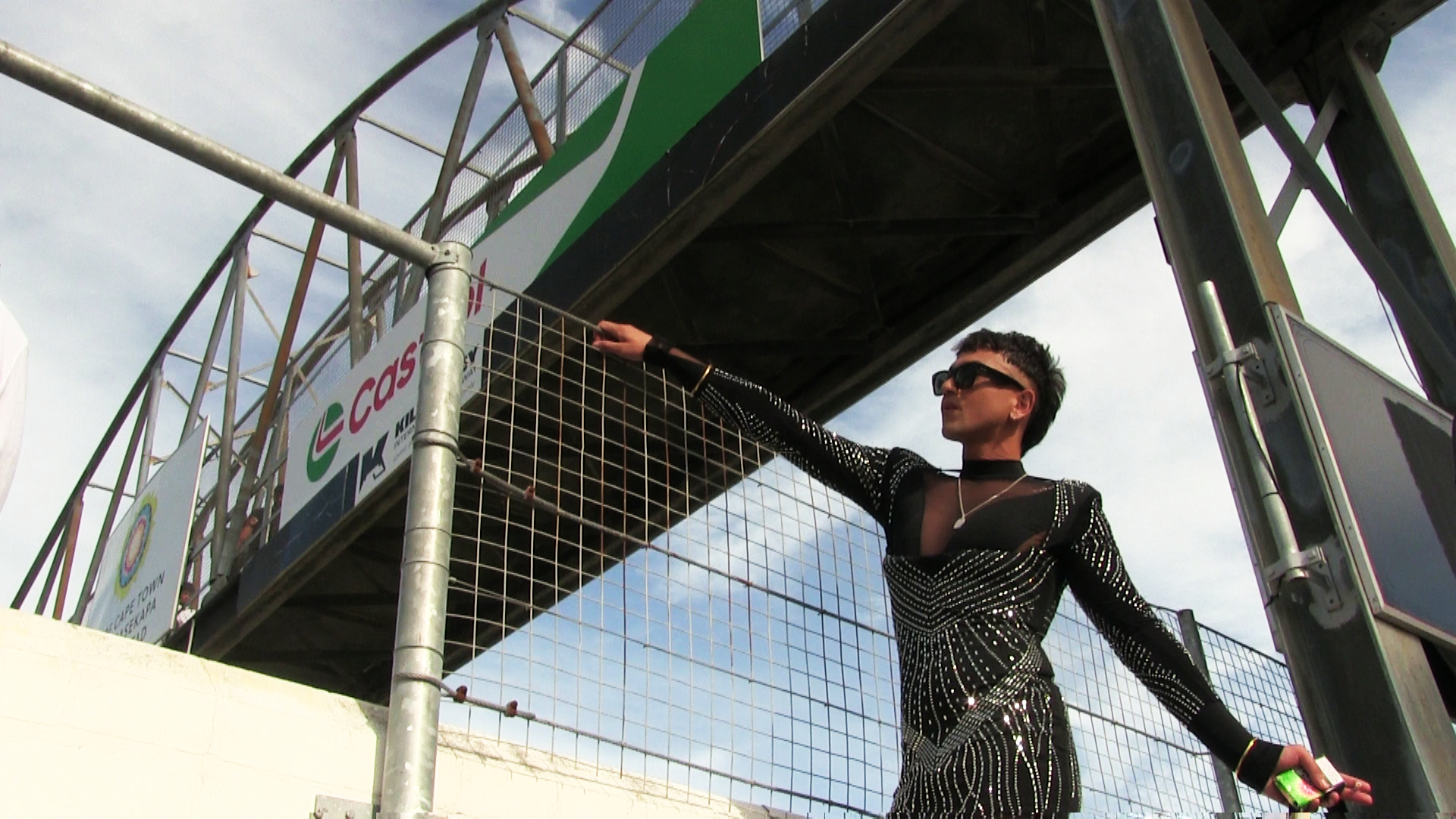
The university (UCT) required us to condense our story into a three-minute documentary, so we narrowed the focus to one moment: a single visit to Killarney Raceway. The short format allowed us to turn the journey into a high-energy highlight reel and experiment with a nostalgic, lo-fi handycam aesthetic and punchy editing style that might not suit a longer, more cinematic piece.
Is there a particular moment, character or idea in the film that holds special significance for you as the director?
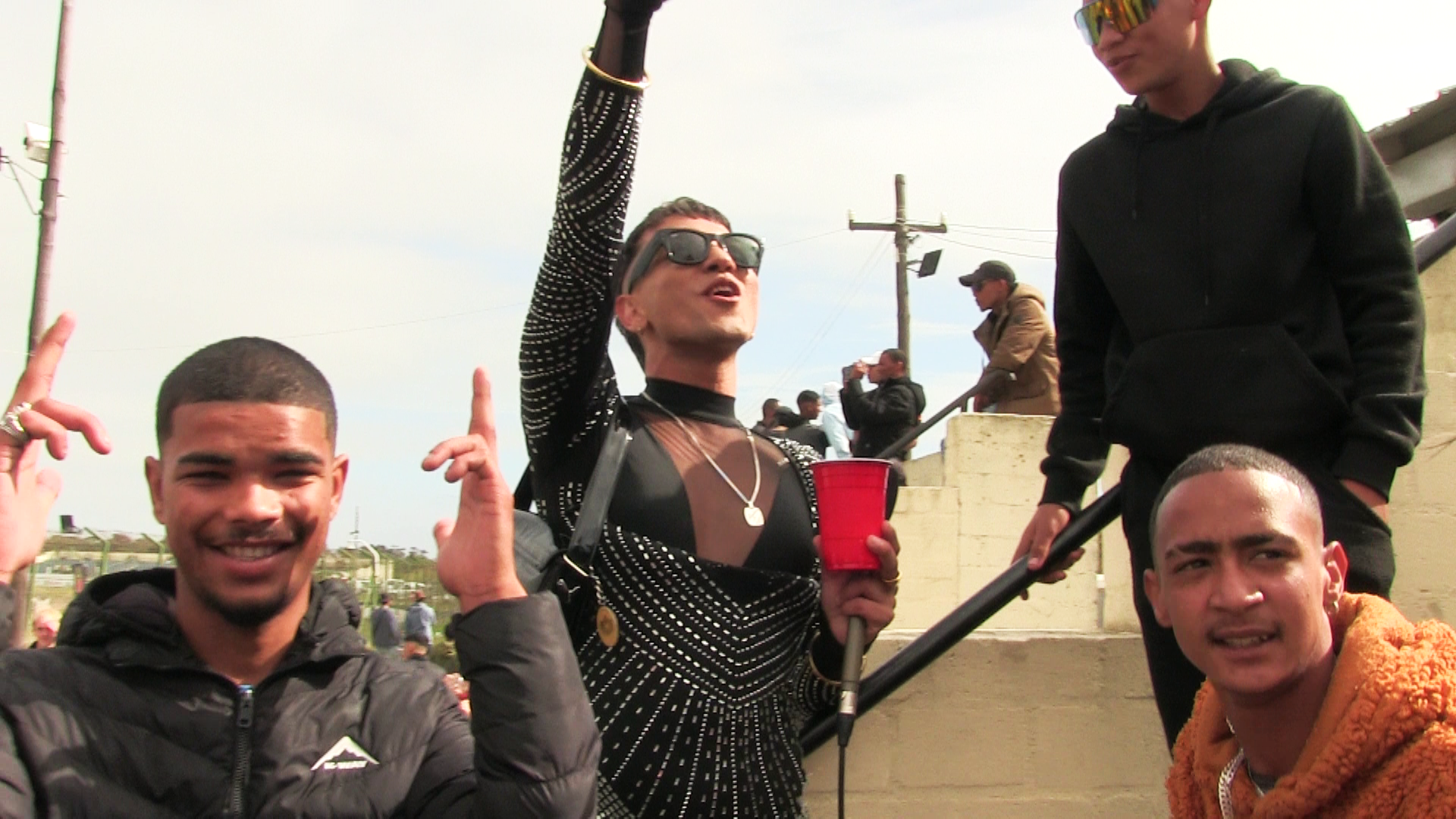
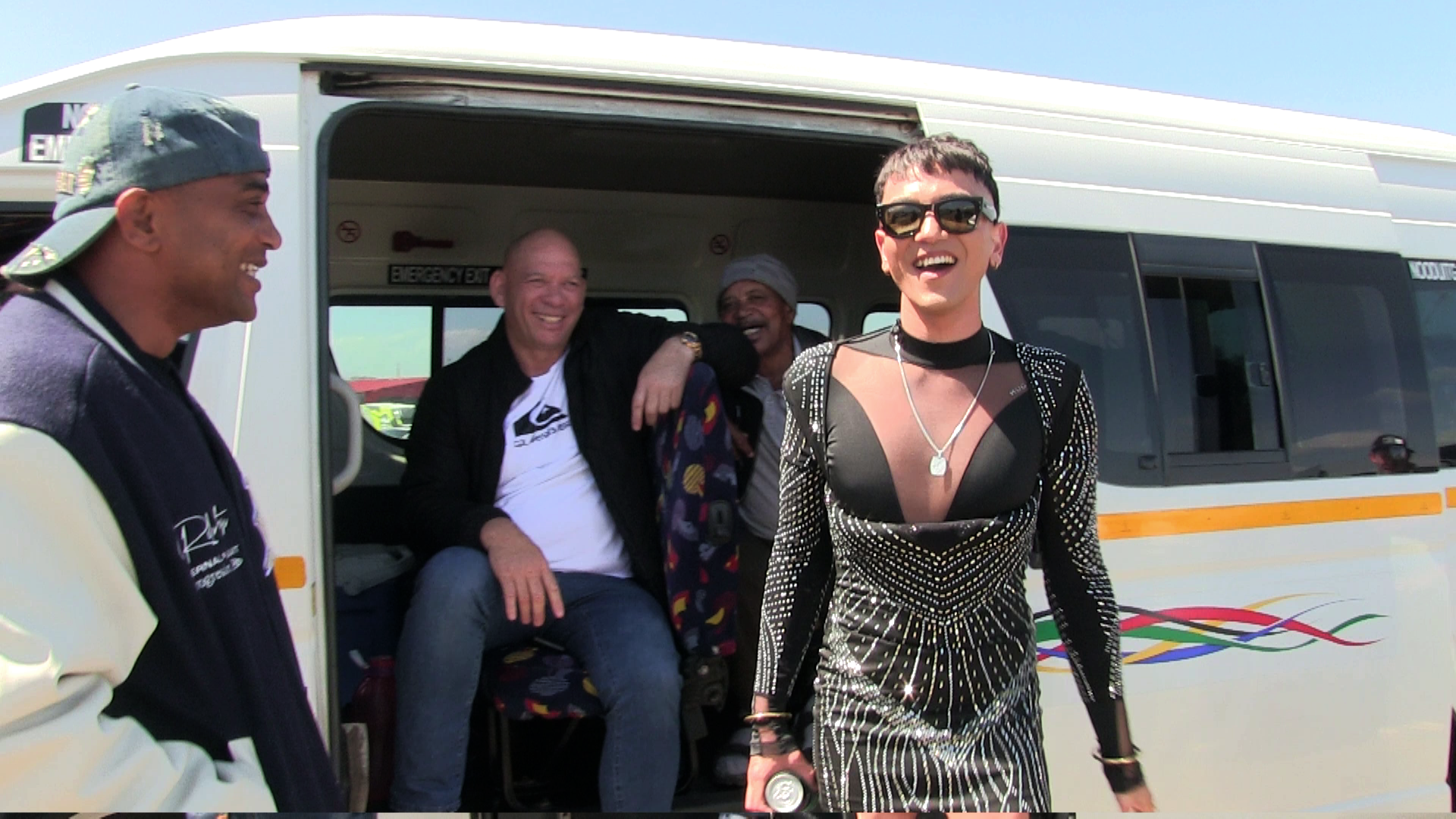
There’s a moment when Queezy is offered a shot by some brasse in Nike tracksuits and ski glasses. With their matching fade haircuts and sunglasses, you’d think they had all been friends for years. “Yes, girl!” one of the guys announces, cheering them on. “I’m the most coloured I’ve ever been in my life!” Queezy exclaims. I think that moment sums up the core message of the film.
What conversation do you hope the film creates with audiences after they leave the cinema?
Ultimately, I want to challenge the aggressive ‘skollie’ stereotype often applied to Coloured masculinity by showing my community’s capacity for love, acceptance and unity. I want audiences to imagine a future where all queer bodies can coexist in everyday spaces, beyond designated ‘safe’ spaces.
Where does this film sit within your wider creative journey, and what are you interested in exploring next as a filmmaker?
While I have experience in music videos and fashion photography, this was my first documentary, and definitely not my last. I realised how much I enjoy building trust with a subject and getting to know them on a deeper level, beyond the polish and perfectionist lens of my usual mediums. Music and fashion are prominent elements in this documentary, and I want to explore ways of bringing these worlds together even further, creating raw, authentically South African stories that channel the nostalgia and whimsy of post-internet youth.