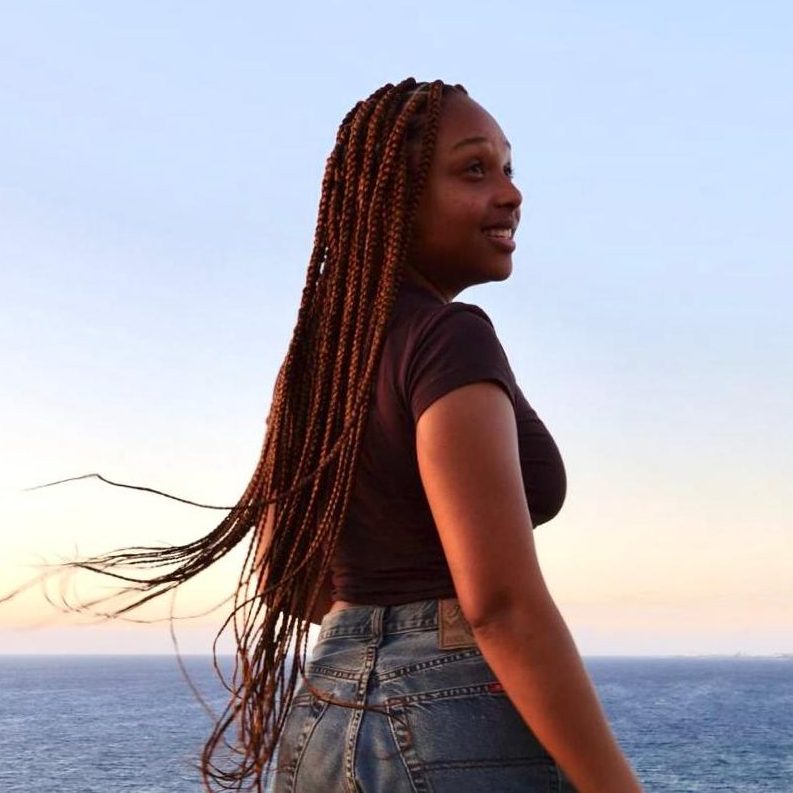
What inspired the story behind your short film?
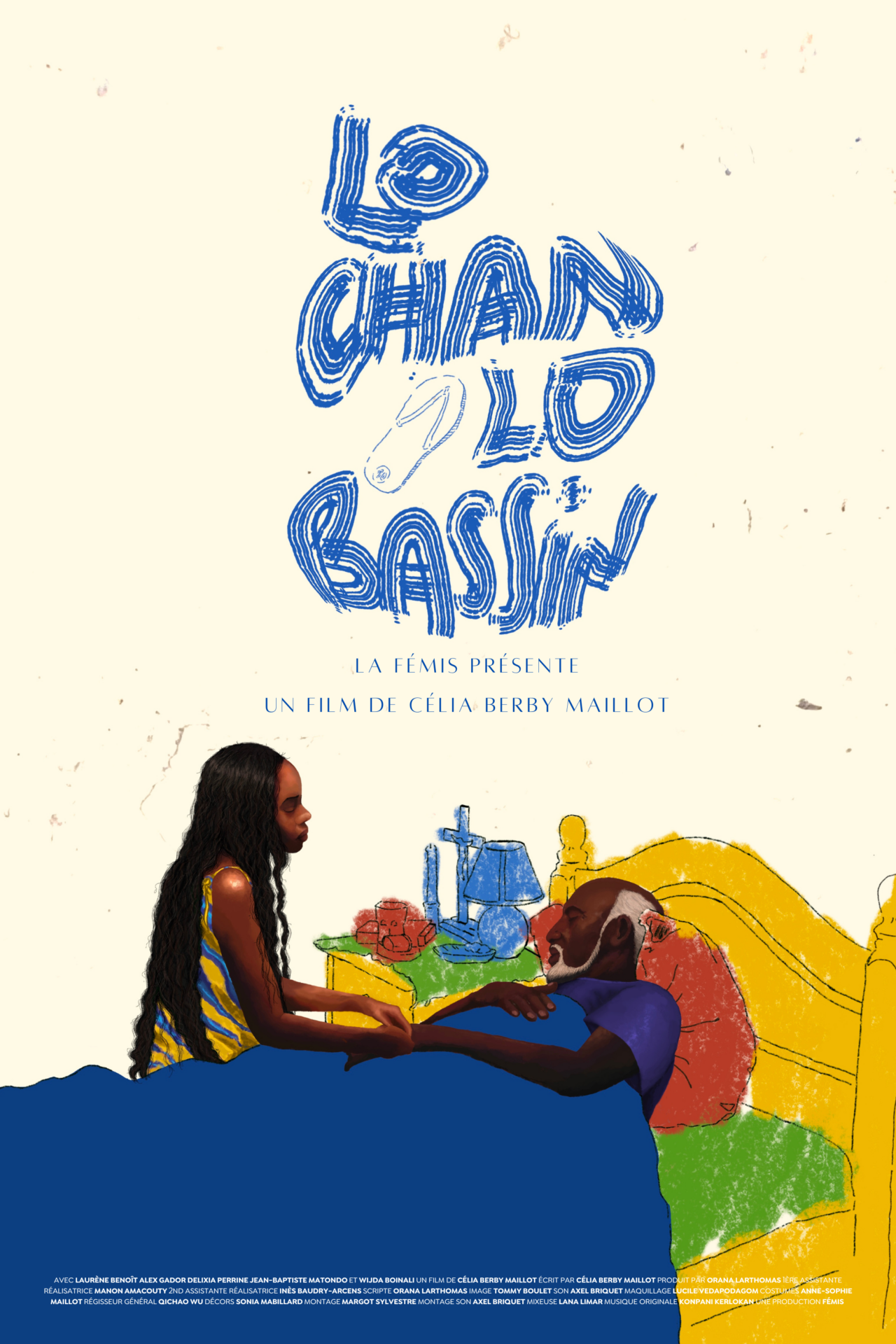
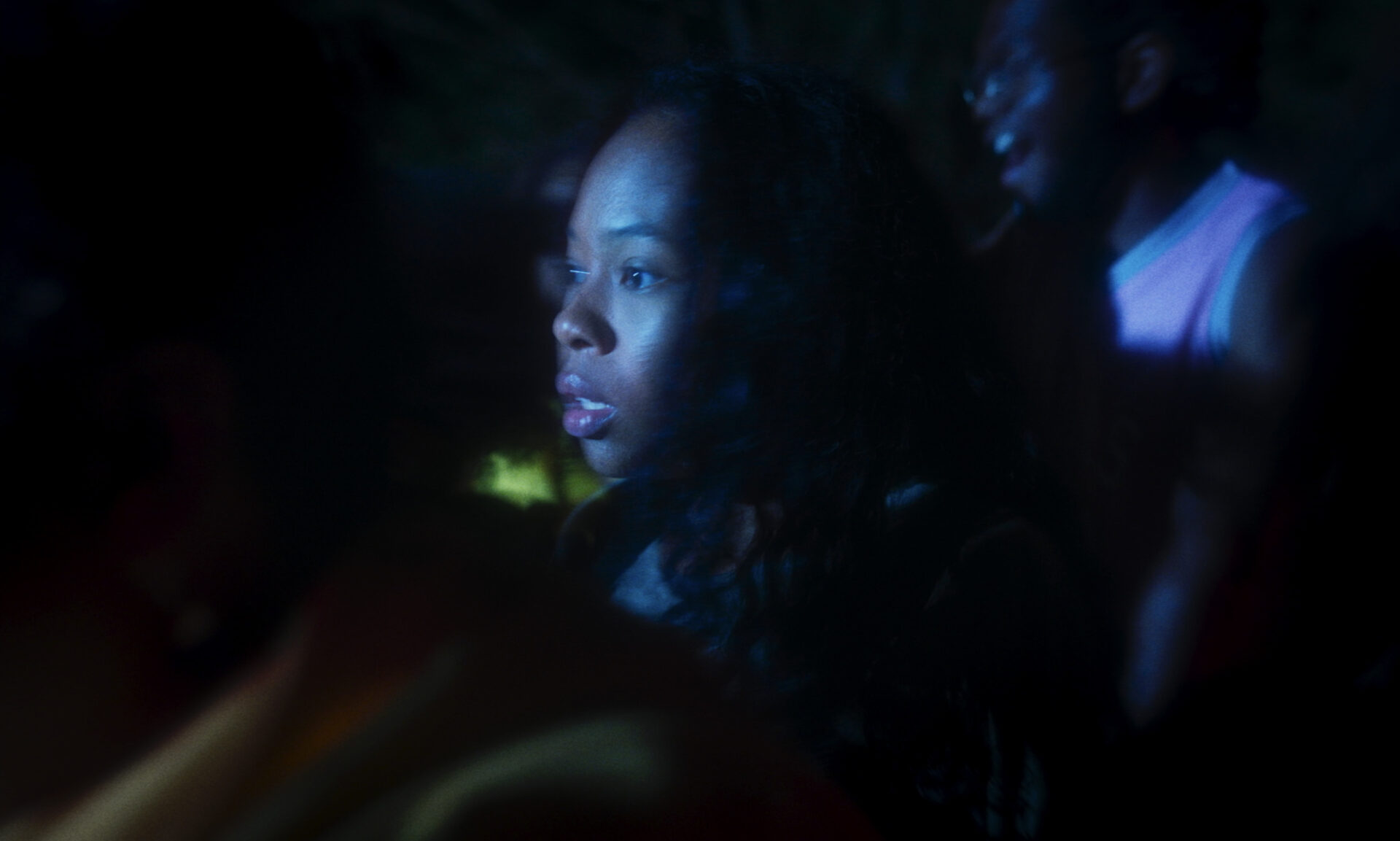
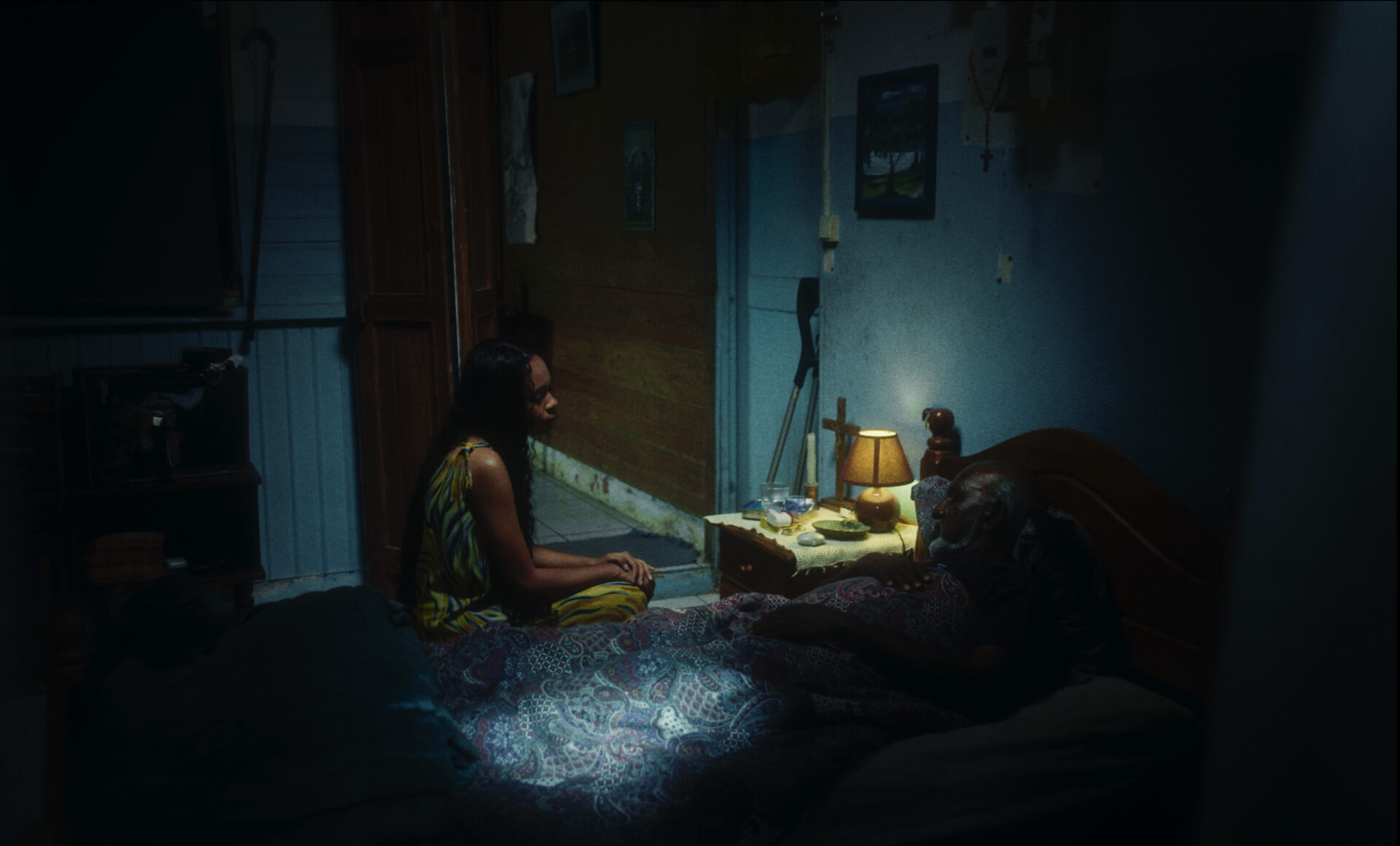
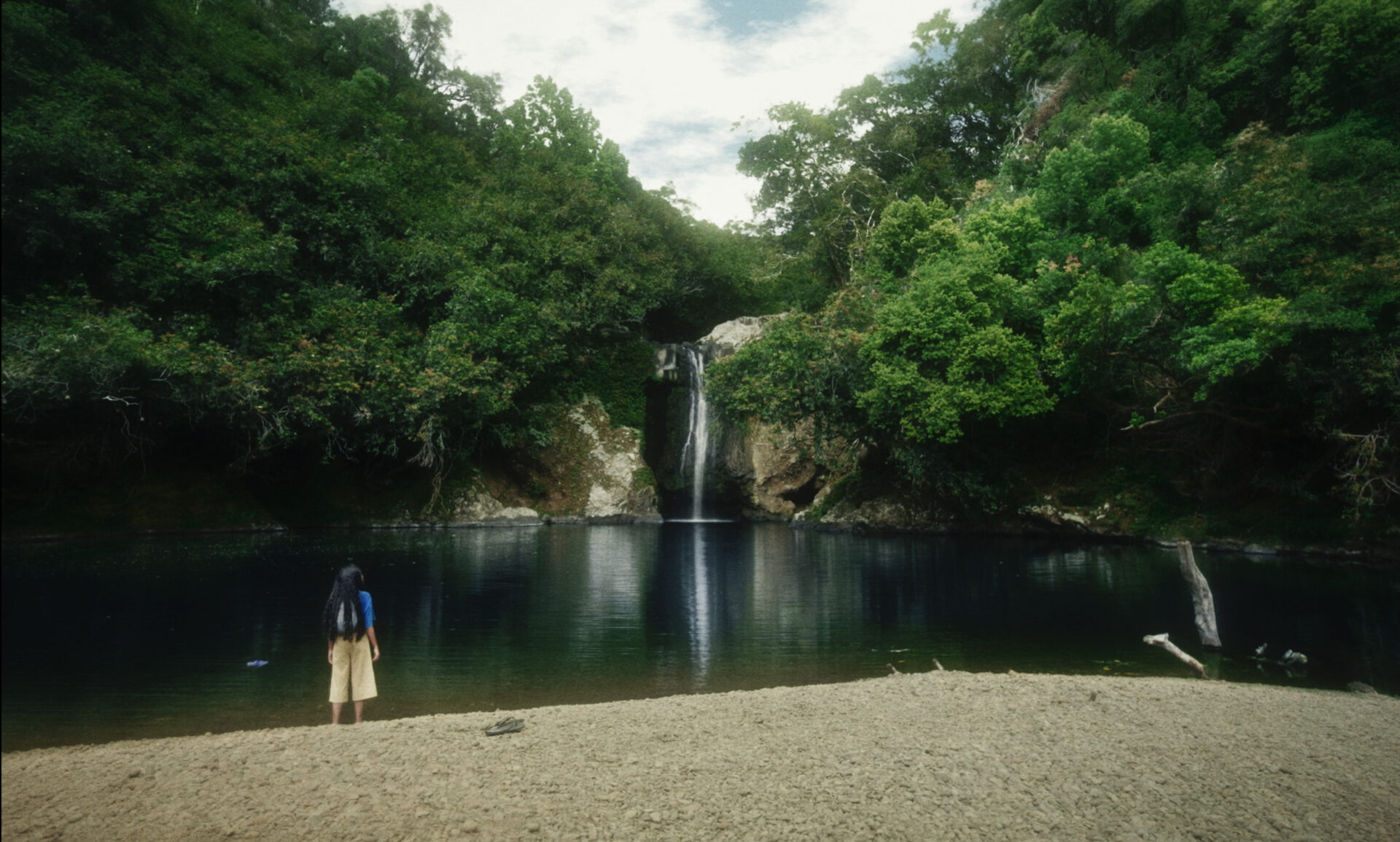
A legend and a demise. In 2022, when I left Réunion (for my studies) my grandfather left in a different way. Leaving my island was even harder when 11,000 kilometers away, lost amongst the cold waves, I no longer have my zarboutan, someone to tell me stories. But since it is impossible for me to go back in time I offer that chance to Ondine. The imminent death of her grandfather will take with a part of the oral stories. The stories that the gramoun – that is the oldest of the family – tells to his kids and then his grandchildren, hoping that latter will do the same. During Ondine’s stay in La Reunion, in her grandpa’s house, her memories overflowed into reality like a watercolor painting that was too wet thus transforming the drama of the death of a loved one into a fantastic journey towards an ancestral legend. On her way, Ondine will end up telling the story of two maroons: Héva and Anchaing who died by the love of their liberty in the woods of la Reunion.
What do you hope audiences take away from your film?
My goal isn’t to create a didactic discourse on the need of memory on Reunion’s culture and tradition – I’m not a zarboutan yet. My goal is to express La Reunion in which I grew up and the one that causes me waves of nostalgia now that I live far from it. What I’m trying to depict is her hybridity. An island where the spirits world wasn’t evicted from the everyday life. Legends and beliefs weren’t buried under concrete or swept away by the wind turbines of Sainte-Suzanne, they continue to live in each other. The Chant of the Waterway is a real wake-up call. A wake-up call to remind everyone of the importance of oral tradition and transmission because when zarboutans or griots will disappear it will be our duty to continue.
Why are short films so important in today’s media landscape?
Being able to express oneself in a capsule whether it’s amateur or not, short film is a unique place of expression which should be used in this way: a for that can be revisited again and again maybe more easily than the long one. But this reproducibility and repetition do not detract from the strength of the court, which for me lies in a summary of transmission.
What advice would you give to someone making their first short film?
Surround yourself with people that understands you and your artistic direction from the start. Surround yourself with trustworthy people that’ll be attentive when you’ll only need that: being listened. The direction of a first short film, like any other production of oneself is in my opinion a moment of vulnerability. Beyond the excitement of filming, the joy of the end of mixing… there’s moment where you’ll lose interest or no longer feel legitimate. We no longer understand our own history. It is at this moment that you will most cherish having those who understand you and those who listen to you.
Why are festivals like the FAME Shorts Film Festival important for filmmakers?
The FAME Shorts Film Festival is precisely the most important place for short film filmmakers whether they start their journey with the court or those who have decided to make it their favorite format. This festival gives a place to this sometimes too forgotten medium in large venues, or on television screens. And for that, thank you.