What was the starting point for this film, and what made you want to tell this particular story?
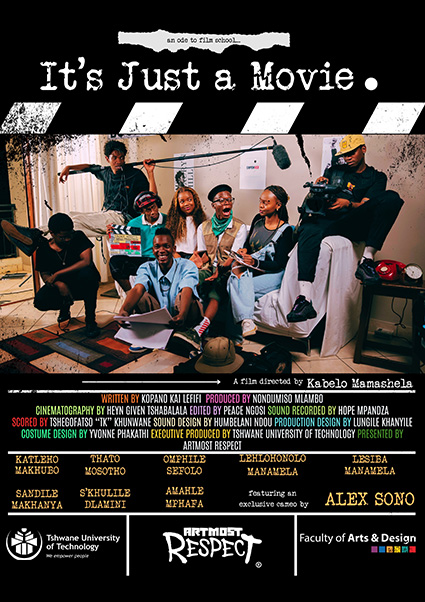
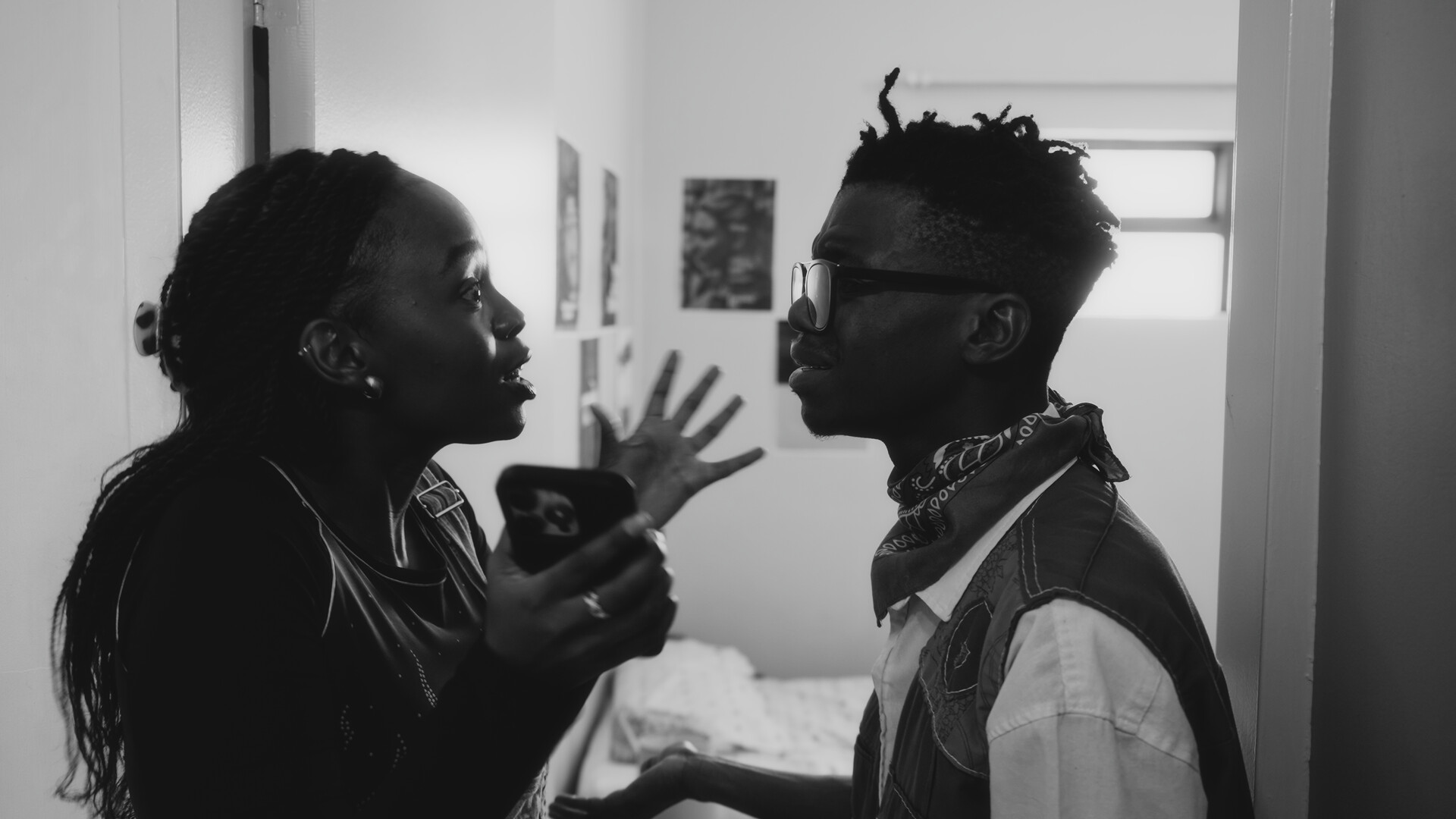
As our time at TUT Film School neared its end, my friends and I reflected on the journey we had shared — from the fights and frustrations to the victories. Through it all, we remained determined to keep making films. I wanted to tell this story as an ode to film school: a celebration of the friendships, struggles and experiences that shaped us, while embracing the journey of being filmmakers rather than simply waiting to become them.
What did the short-film format allow you to do creatively that a longer format might not have?
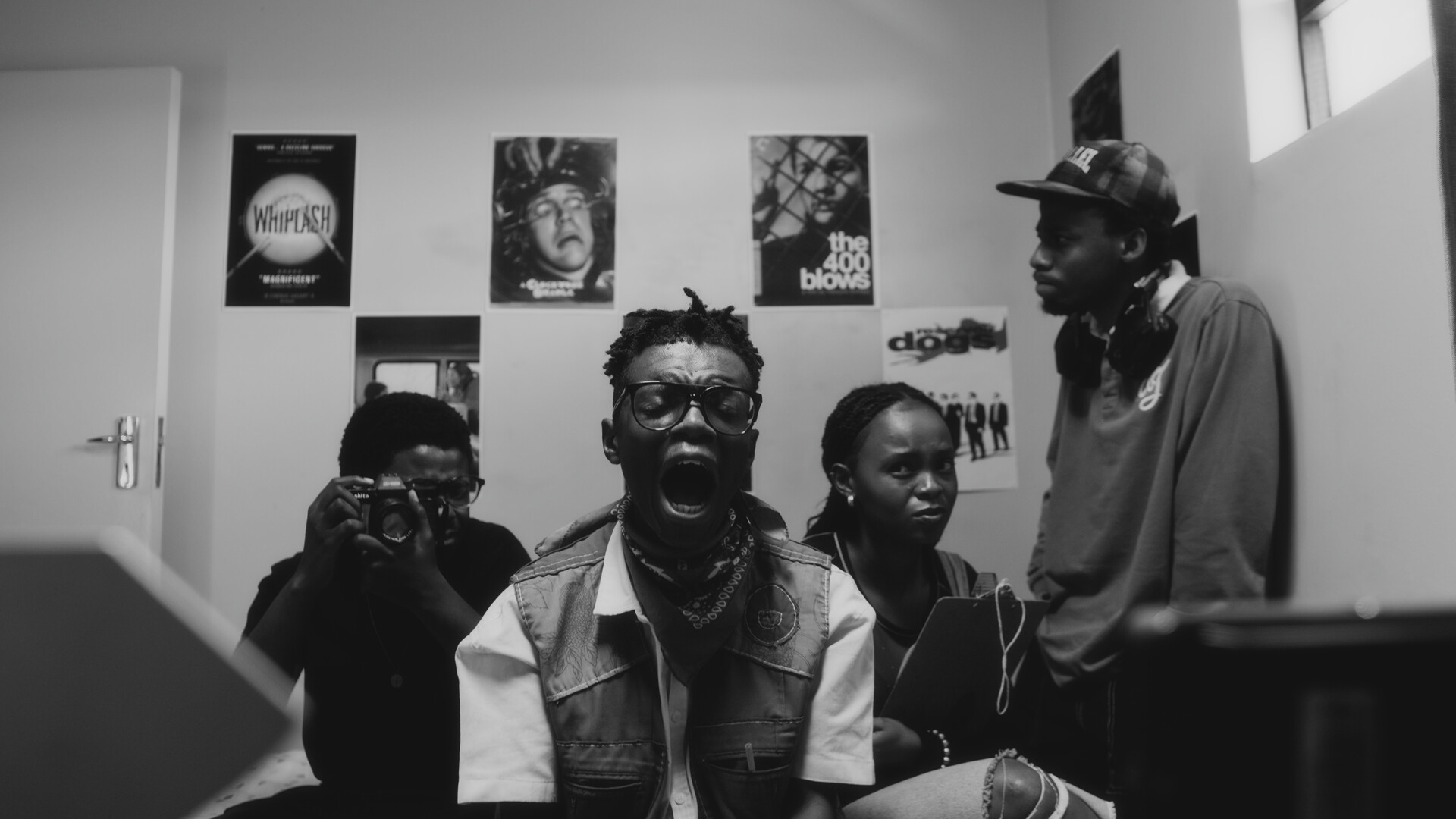
Being a student making a student film about students making a student film opened up many creative possibilities. Student productions are often shaped by limited budgets, small casts and restricted resources, and those limitations became part of the film’s meta-cinematic nature. As a feature, the premise might have become diluted. The intimacy and constraints of the short format allowed the film to remain grounded in the experience it was exploring.
Is there a particular moment, character or idea in the film that holds special significance for you as the director?
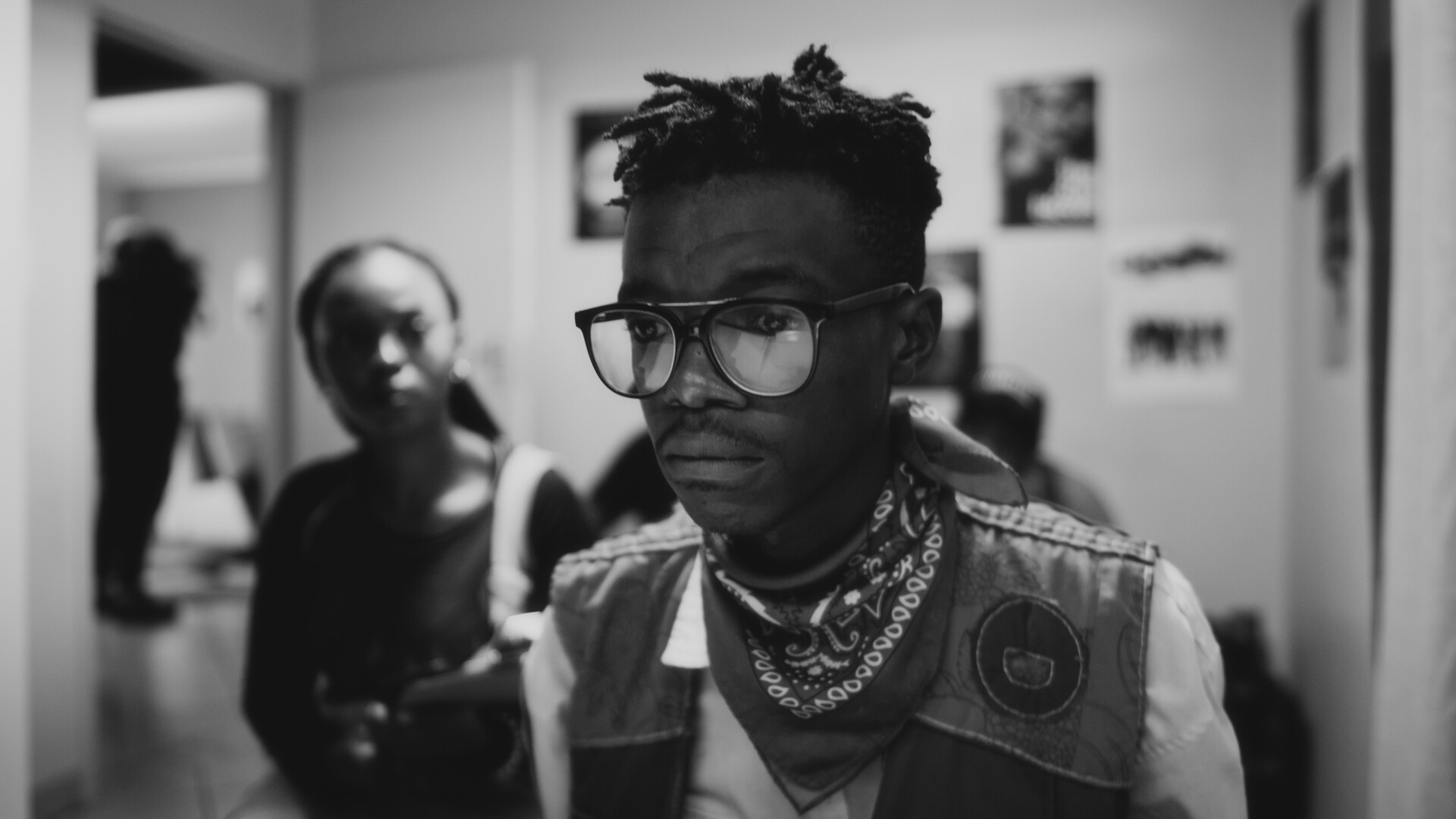
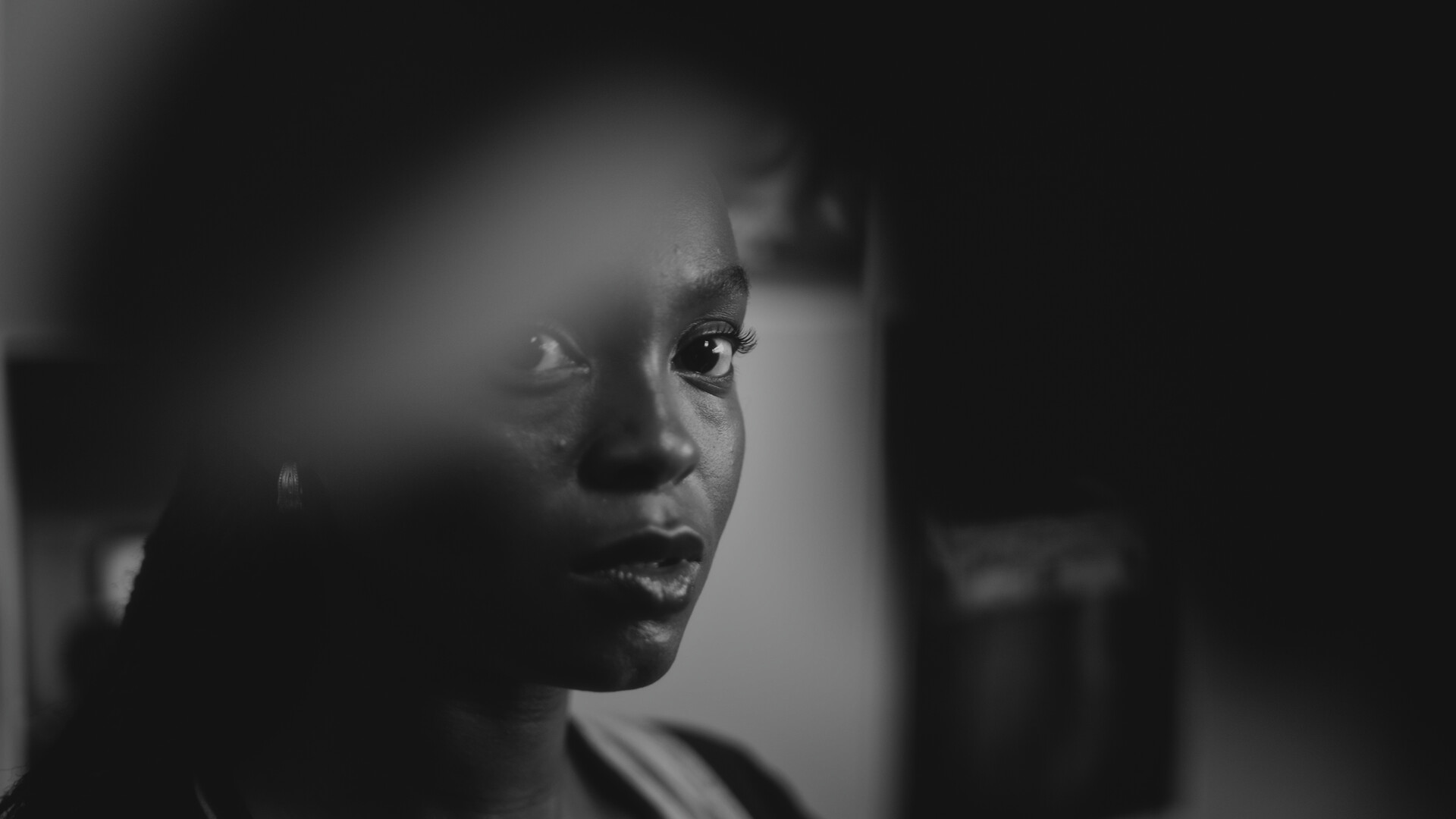
The moment when Leo looks within himself holds particular significance for me. I hadn’t originally planned to film the scene this way, but my initial approach simply wasn’t working. It was our final day of filming, and the producer and I were in conflict over my creative vision. I had almost accepted that we might not get the scene at all. The following morning, I woke up knowing exactly how I wanted to approach it. Suddenly, the scene — and in many ways the film — made sense. Looking back, it reflects Leo’s own journey: sometimes clarity only comes when you let go of what you thought the film needed to be.
What conversation do you hope the film creates with audiences after they leave the cinema?
At its heart, the film explores the tension between creative vision and the messy reality of collaboration. It asks how far an artist can push for perfection before losing sight of their humanity. I hope audiences leave questioning what we are willing to sacrifice for our creative ambitions — and whether achieving the perfect vision is worth losing the people and experiences that make the work meaningful.
Where does this film sit within your wider creative journey, and what are you interested in exploring next as a filmmaker?
Through this film and my broader experience, I feel I have paid my dues to the art form and its principles. I’ve spent years learning the language of cinema, understanding its conventions and finding my own voice within them. My next step is to challenge those conventions and disrupt the traditional South African cinema experience. I’m interested in exploring new forms of storytelling, new ways of engaging audiences and new possibilities for what South African cinema can be.