Generic selectors
Exact matches only
Search in title
Search in content
Post Type Selectors
Generic selectors
Exact matches only
Search in title
Search in content
Post Type Selectors

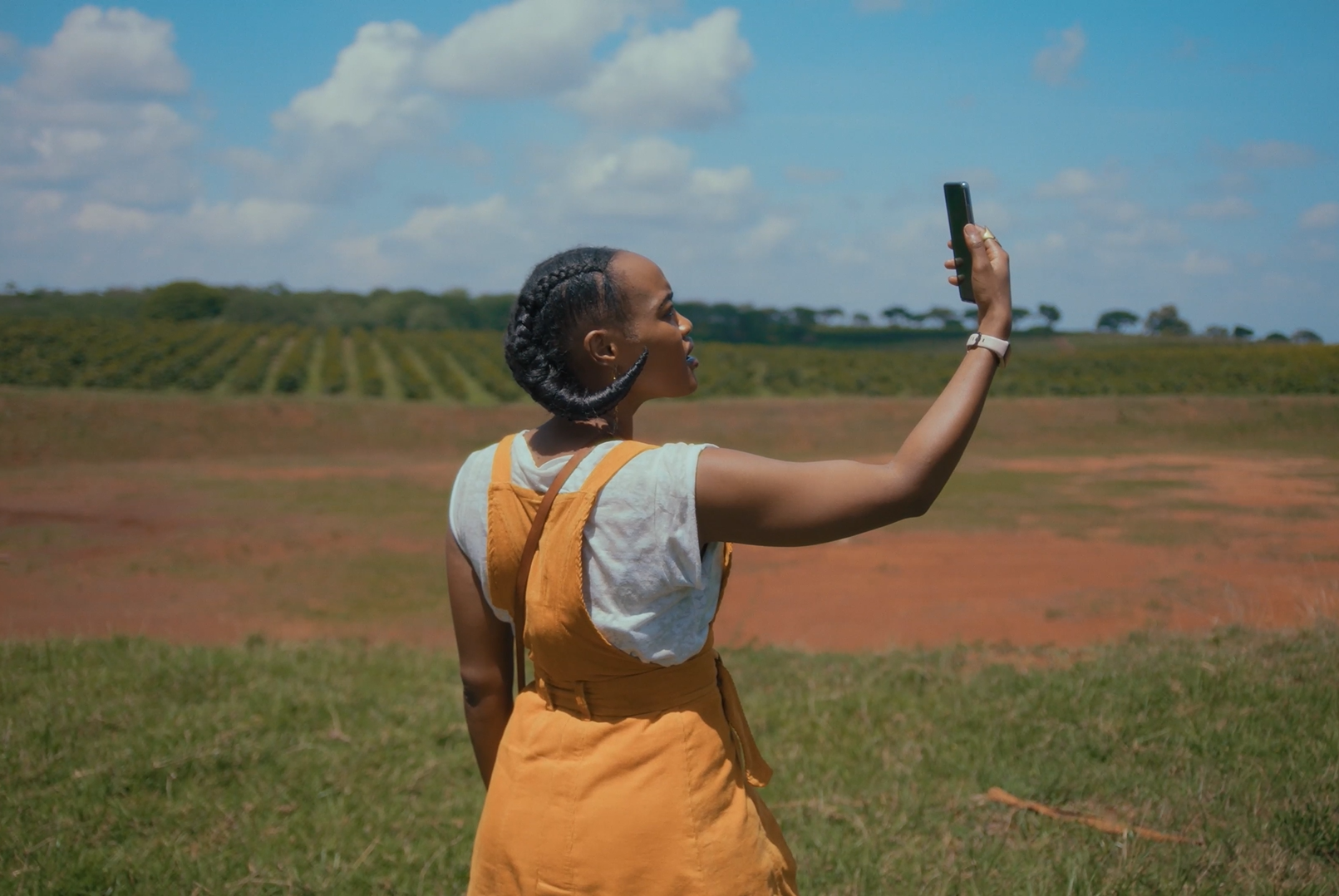
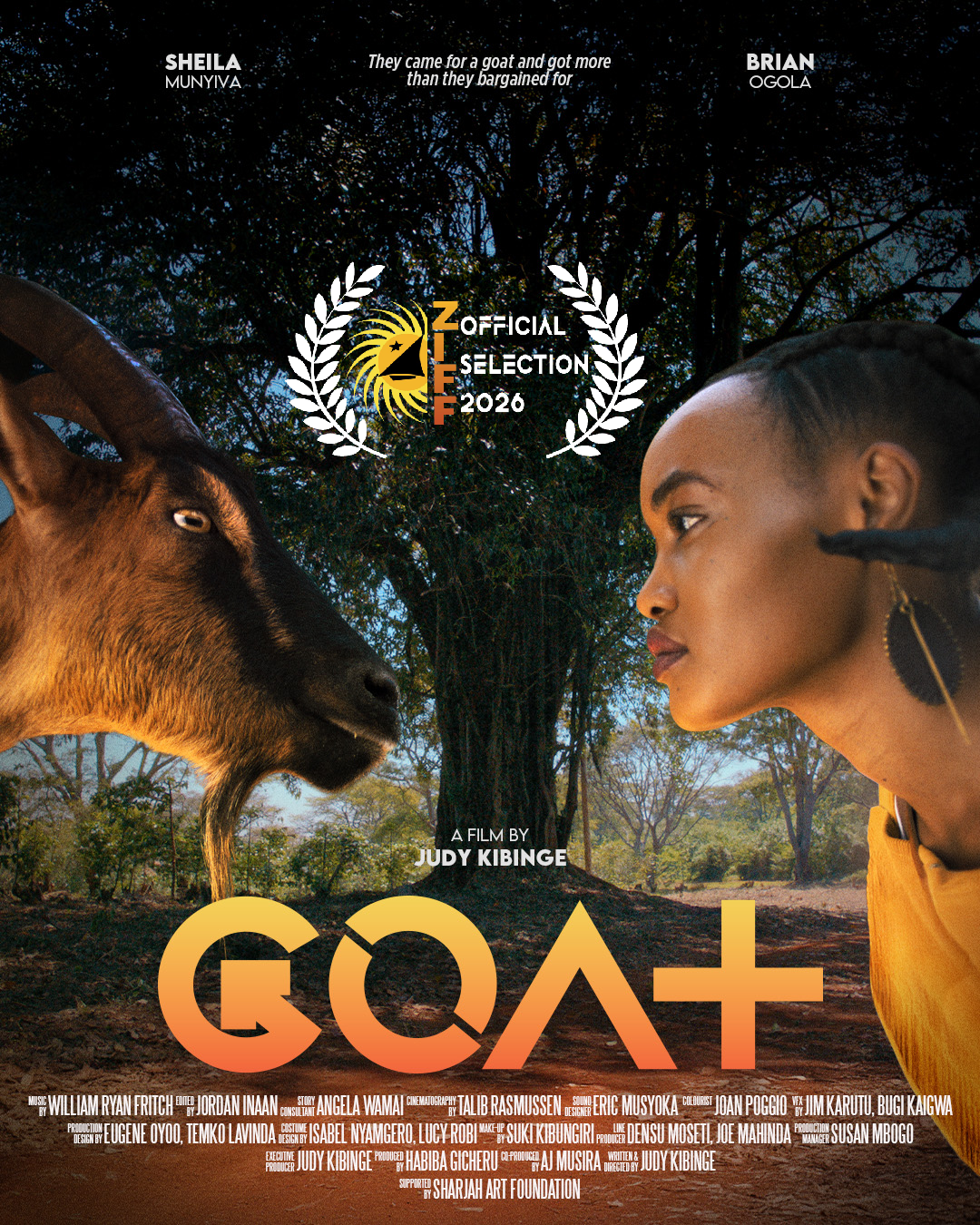
City lovebirds Suki and Benjamin journey to a remote goat farm, where Suki quickly discovers she’s been deceived — this isn’t the romantic getaway she was expecting.

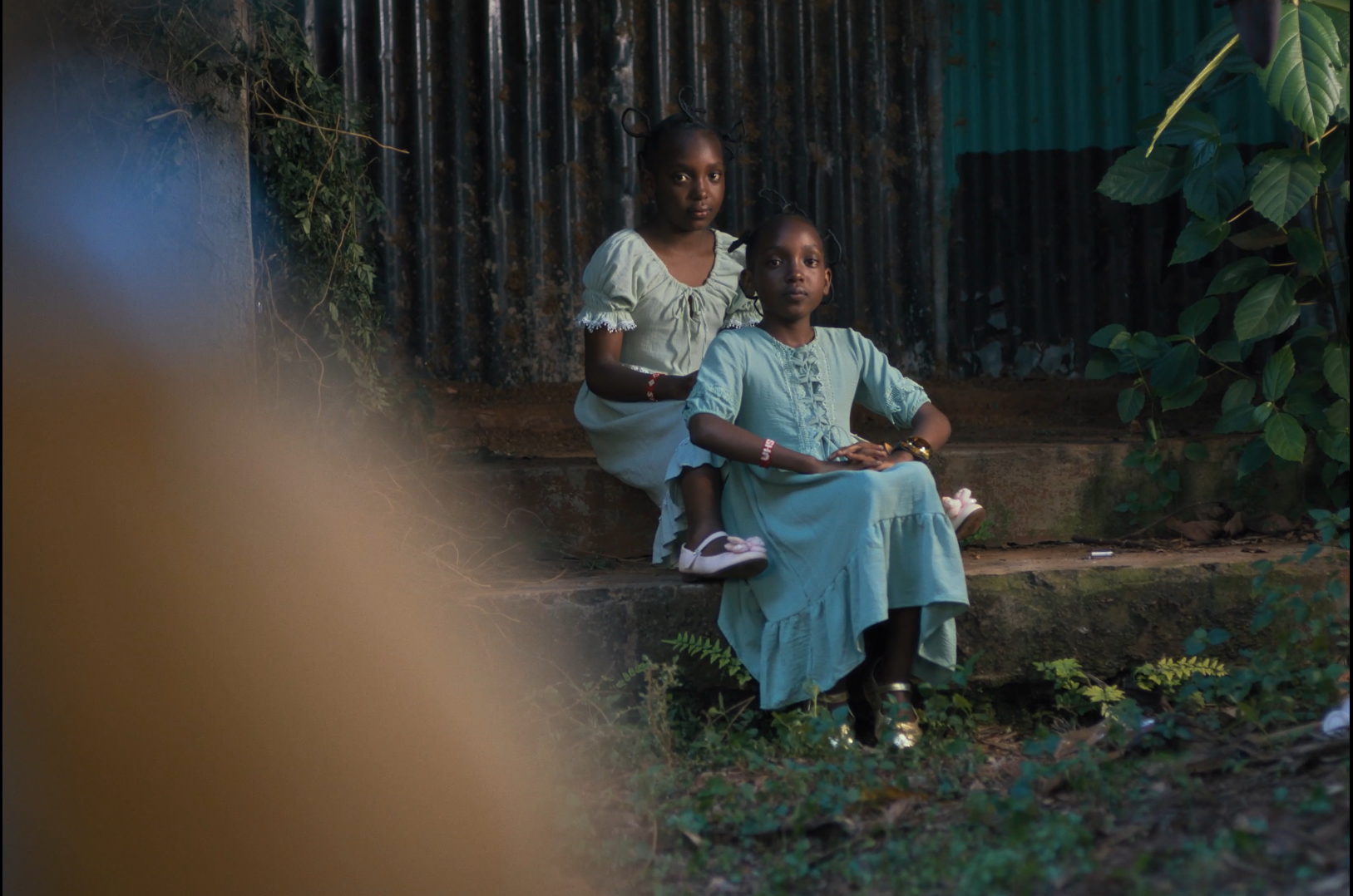
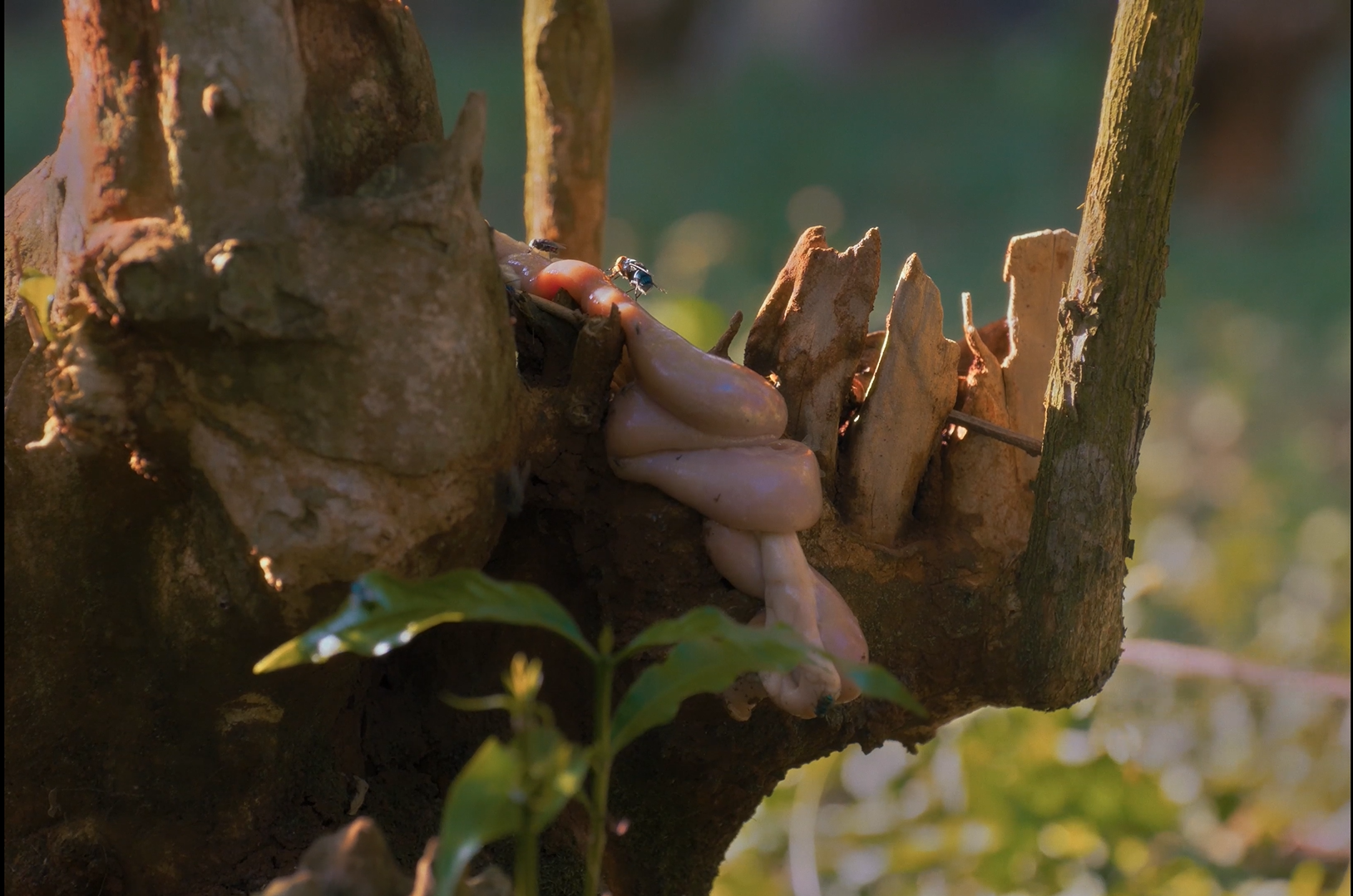
Watched over by a towering Mugumo tree and a strange assortment of farmyard residents, vegetarian Suki is horrified when she witnesses the brutal slaughter of a goat. The experience triggers unsettling visions of an ancestral debt, turning their weekend escape into a race to outrun what her bloodline owes.

What was the starting point for this film, and what made you want to tell this particular story?
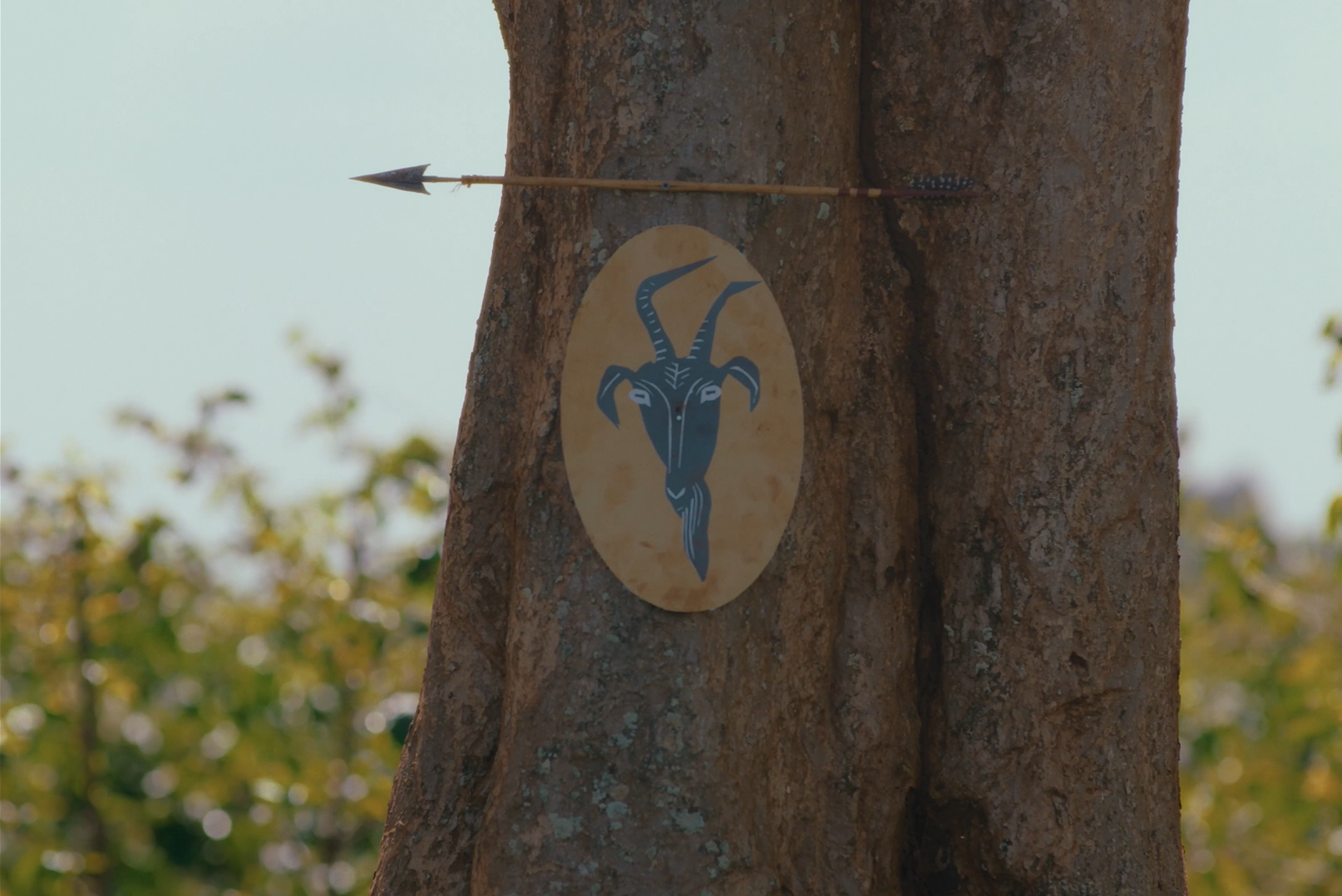
The starting point came while Docubox was preparing a Halloween screening. I found myself wondering why so few African films reflected this tradition, which led me to question what Halloween actually means and how different it is from our own customs and belief systems. That brought me back to the Mugumo tree on my parents’ farm. In Kikuyu mythology, if a girl and boy circle the tree seven times, the girl becomes a boy and the boy becomes a girl. My mother also kept a beautiful herd of goats, and suddenly the pieces came together: a couple visiting to buy goats, the sacred tree and the transformation. From there, I began imagining our spirituality in the past and wondering who might have stood beneath that same tree 200 years ago.

What did the short-film format allow you to do creatively that a longer format might not have?
The short-film format allows you to abbreviate the language of cinema. You don’t have to explain everything; you can hint, suggest and use glimpses, premonitions and foreshadowing. I didn’t feel bound by a classical three-act structure, which allowed me to be playful and experimental. I originally set out to make a 15-minute short, but the story became longer and more complex. The freedom of the form allowed me to follow where it needed to go and stretch myself creatively.

Is there a particular moment, character or idea in the film that holds special significance for you as the director?
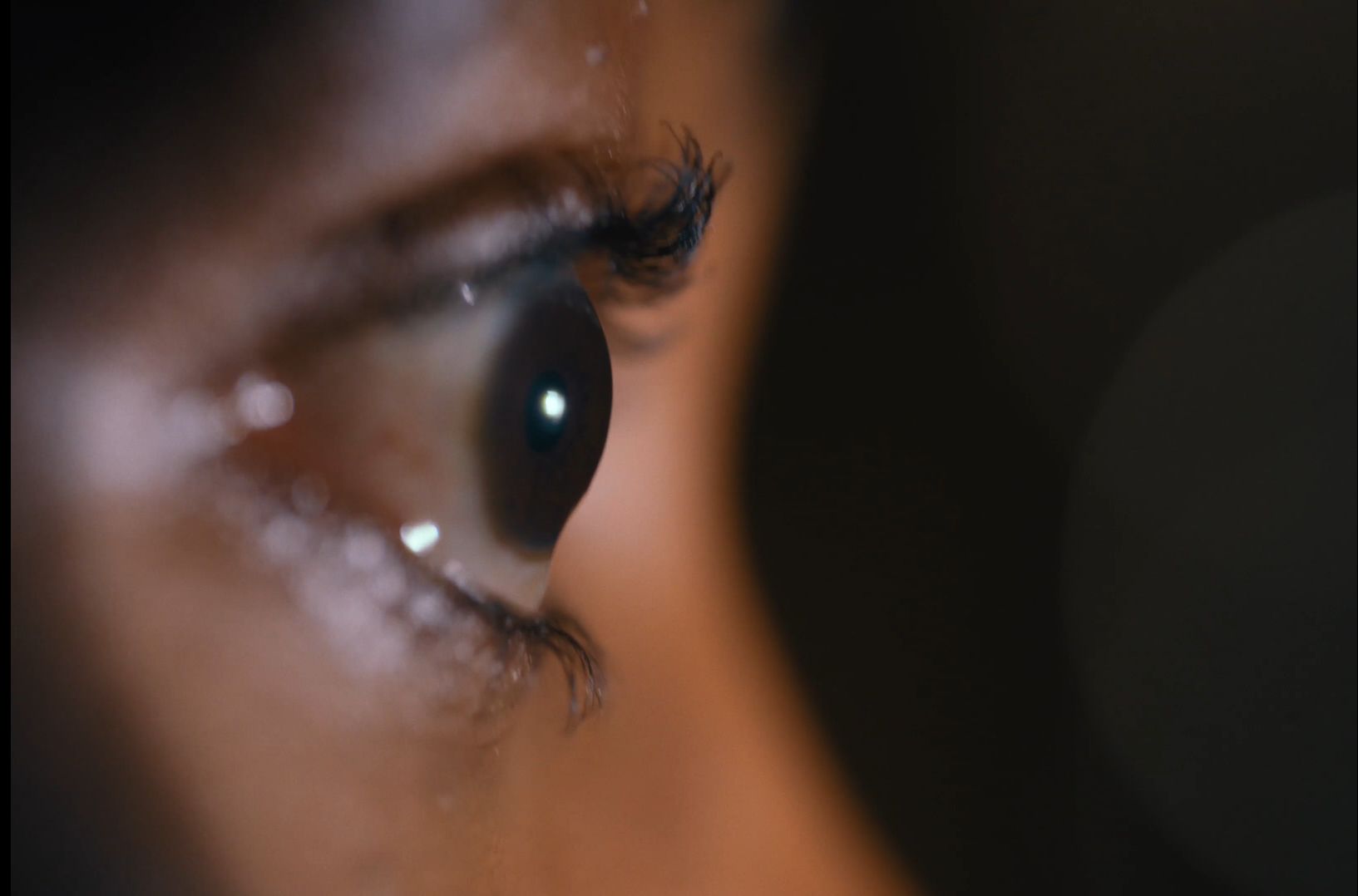
The dance in the forest. I love the colours — Suki’s mustard yellow, Benja’s blue, the purple blanket and the deep green of the forest. It feels very different from the rest of the film and gives me profound joy every time I watch it. The trippy eye sequence was harder to create, but the forest scene gets me emotionally. The kiss also allows us to root for the couple and their love.

What conversation do you hope the film creates with audiences after they leave the cinema?
I hope audiences leave thinking about African spirituality and our traditional belief systems. If we abandon our traditions and forget our ancestors, is there any guarantee they have forgotten us? Moving beyond tradition or becoming absorbed in the Western world doesn’t make African traditions any less powerful or present. I’d love people to ask: What do we lose when we forget? And what remains, even when we think we’ve moved on?

Where does this film sit within your wider creative journey, and what are you interested in exploring next as a filmmaker?
This film marks a homecoming. After 13 years building Docubox and helping other filmmakers realise their visions, I stepped back into filmmaking myself. It was terrifying, but necessary. The film gave me permission to play, experiment and trust my instincts without worrying about what things are “supposed” to look like. Next, I’m drawn to something completely different — perhaps a hybrid of science fiction, romance and dark comedy, with a love relationship at its core. I’m also fascinated by Kenya’s rising lake waters and am circling a story there.

Directors

Length

28:00

Language

English, Swahili

Country of production

Kenya

Genre

Horror

Year

2025

Premiere

South African Premiere

Screening