1. What inspired the story behind your short film?
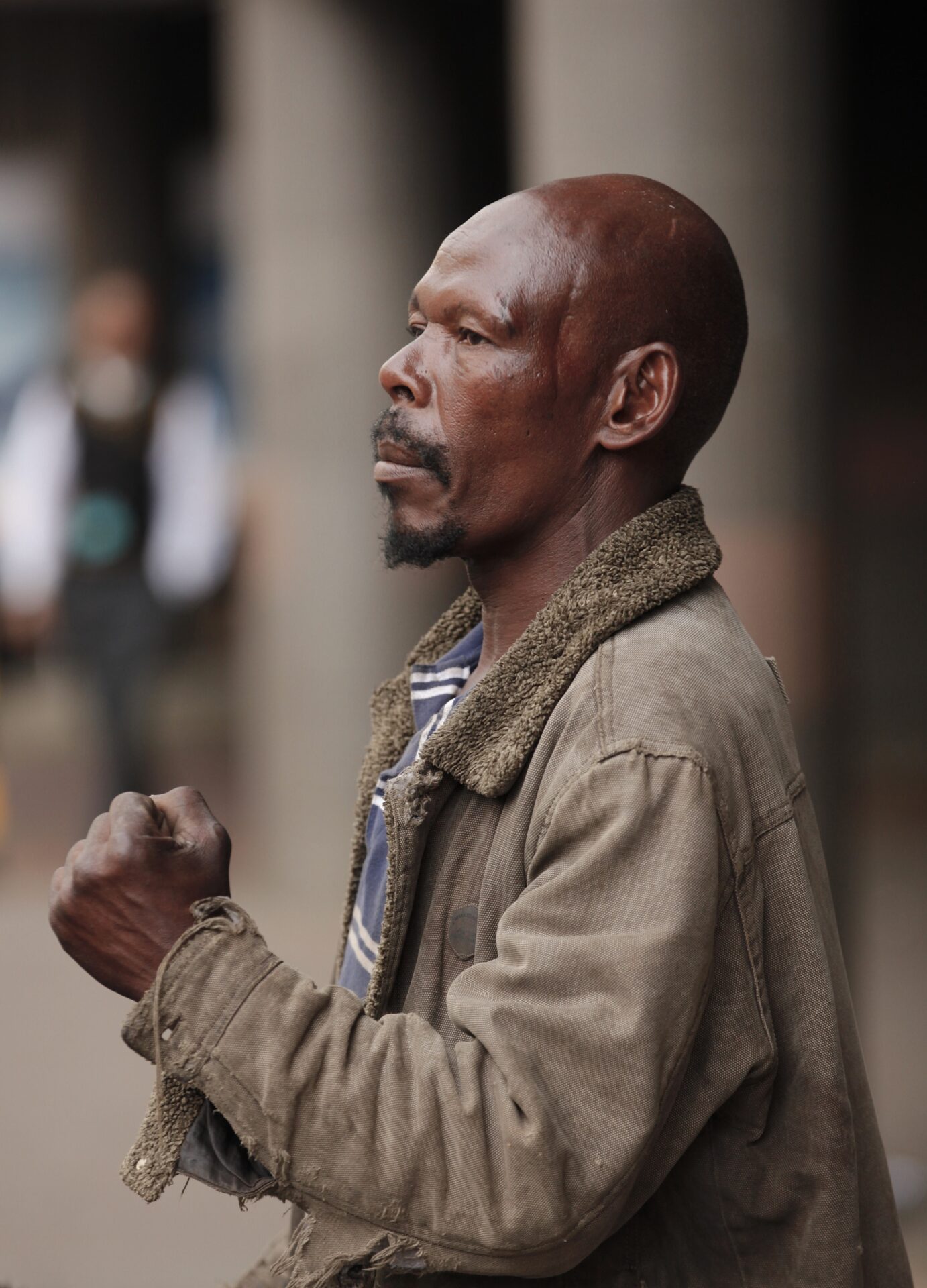
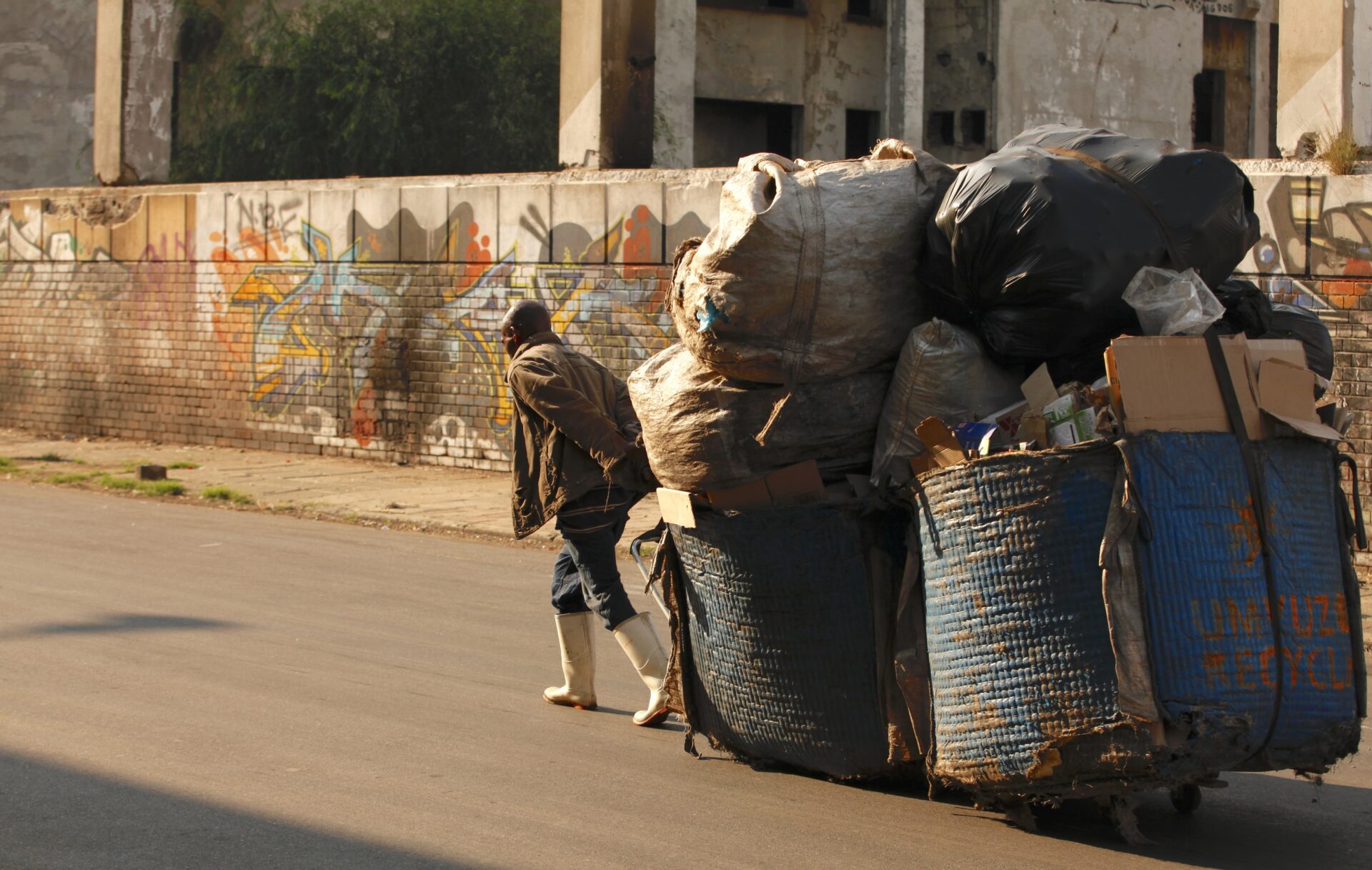
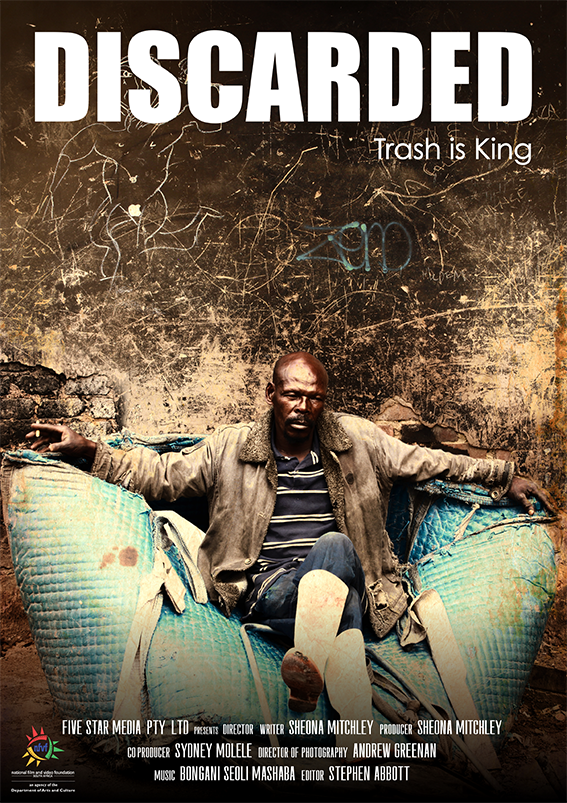
I first met Mhlupheki Alfred Nhlapo while working as an art director in Newtown, Johannesburg. He had set up an impressive recycling operation in the alley behind our temporary office. One day, the JMPD evicted him and cleared the entire space with a bulldozer. After that, he vanished. His disappearance haunted me. I began noticing recyclers all over Johannesburg—pulling heavy trolleys, digging through bins, surviving off what others throw away. A year later, I still couldn’t forget him. With my co-producer Sydney Molele, I began searching. Just when we were about to give up, we saw him—singing loudly, pulling a fully loaded trolley down the street. Initially, I wanted to raise awareness about informal recycling in South Africa. But as I spent time with Mhlupheki, the film became more personal. It became a portrait of his life, his pain, and his resilience. I became a witness to the harsh reality of life on the streets and to the events that shaped him.
2. What message or emotion do you hope the audience takes away from your film?
We often insulate ourselves from the struggles of others, especially those living in poverty. Just as we discard our trash without thought, we easily discard people we consider “other.” Mhlupheki and his mother allowed us into their lives with vulnerability and grace, and I was forced to confront my own assumptions in the process.
This film is about more than recycling—it’s about visibility, humanity, and the universal need to be seen and accepted. It explores home, trauma, addiction, and the human urge to run from pain. If we begin to see those we’ve ignored, perhaps we can help bridge the deep divides in our society. That’s the hope.
3. What’s your go-to creative ritual before a shoot day?
I make sure I’m thoroughly prepared—gear packed, batteries charged, crew briefed, interview questions ready, snacks on hand. Then I take a moment to center myself: open mind, open heart, ready for the unexpected. I move forward with intention, but remain adaptable. That balance is key.
4. What’s one film you wish you had directed—and why?
Werner Herzog’s Cave of Forgotten Dreams. It’s an intimate, once-in-a-lifetime look at ancient cave drawings—our earliest known human expressions. Herzog suggests that little has changed in our consciousness. Storytelling, imagination, and the need to make meaning are fundamental to who we are. I would’ve loved to witness and capture that history firsthand.
5. If you had to shoot a short film using only three props, what would they be?
A single lost shoe—mysterious and symbolic of absence.
A cassette tape—capturing time in sequence, mirroring memory.
A mirror—revealing, distorting, and representing introspection or fractured identity.
6. What’s your guilty pleasure movie or series you rewatch all the time?
The Bear. Its immersive, authentic storytelling and emotionally charged interactions make it a masterclass in performance, writing, and direction. It’s raw, intimate, and deeply human.
7. Why are short films important in today’s media landscape?
Short films allow for risk-taking, experimentation, and bold storytelling without commercial compromise. They cut through the noise with authenticity and urgency—offering diverse, often underrepresented voices a platform. In a distracted world, short films remind us that powerful stories don’t need to be long to leave a lasting impact.
8. What advice would you give to someone making their first short?
Follow your passion. If the story moves you, it will move others. Stay curious, stay open, and finish the film—no matter how difficult it gets. Vulnerability and perseverance are your greatest tools.
9. What’s one question you wish interviewers asked—and how would you answer it?
How did this film change you?
It changed how I see people and understand connection. Mhlupheki and his mother didn’t just let me film them—they trusted me with their dignity and complexity. That trust demanded care, in filming and in listening. Discarded became a collaboration between us, the crew, and even Johannesburg as a living character. My hope is that this film becomes a bridge—between viewers and the lives on screen, and ultimately, within ourselves.
10. Why are festivals like the FAME Shorts Film Festival so important?
Festivals like FAME are vital for fostering connection—between filmmakers, audiences, and stories. In a world of fast content, festivals offer a space to pause, reflect, and be moved. They provide a platform for voices that often go unheard and for films like Discarded, they’re often the only space where nuance, complexity, and beauty can be fully appreciated.
FAME doesn’t just showcase short films—it honours the power of storytelling to create community, spark dialogue, and shift perspective. As both a filmmaker and a film lover, I deeply value that.