What was the starting point for this film, and what made you want to tell this particular story?
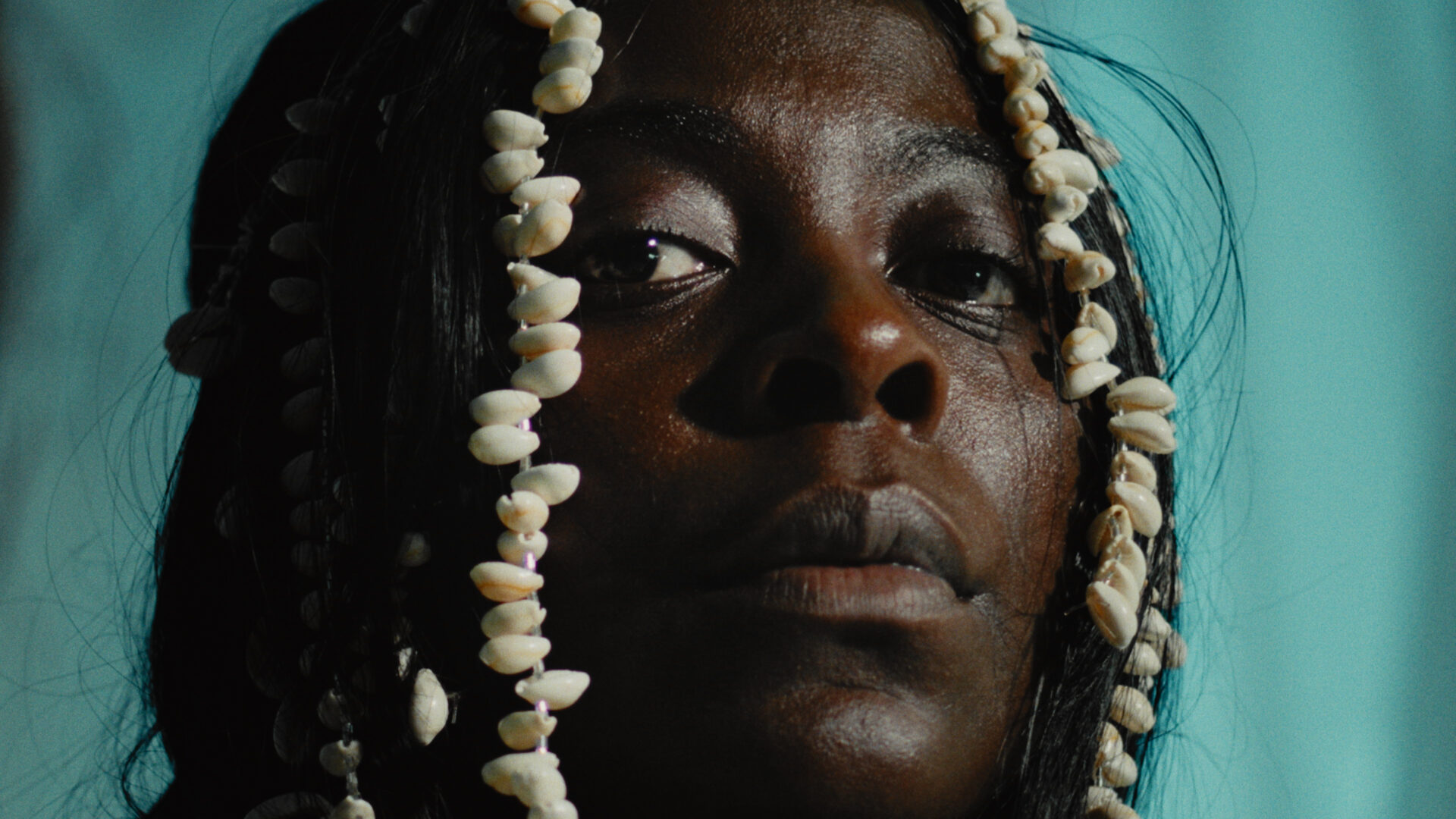
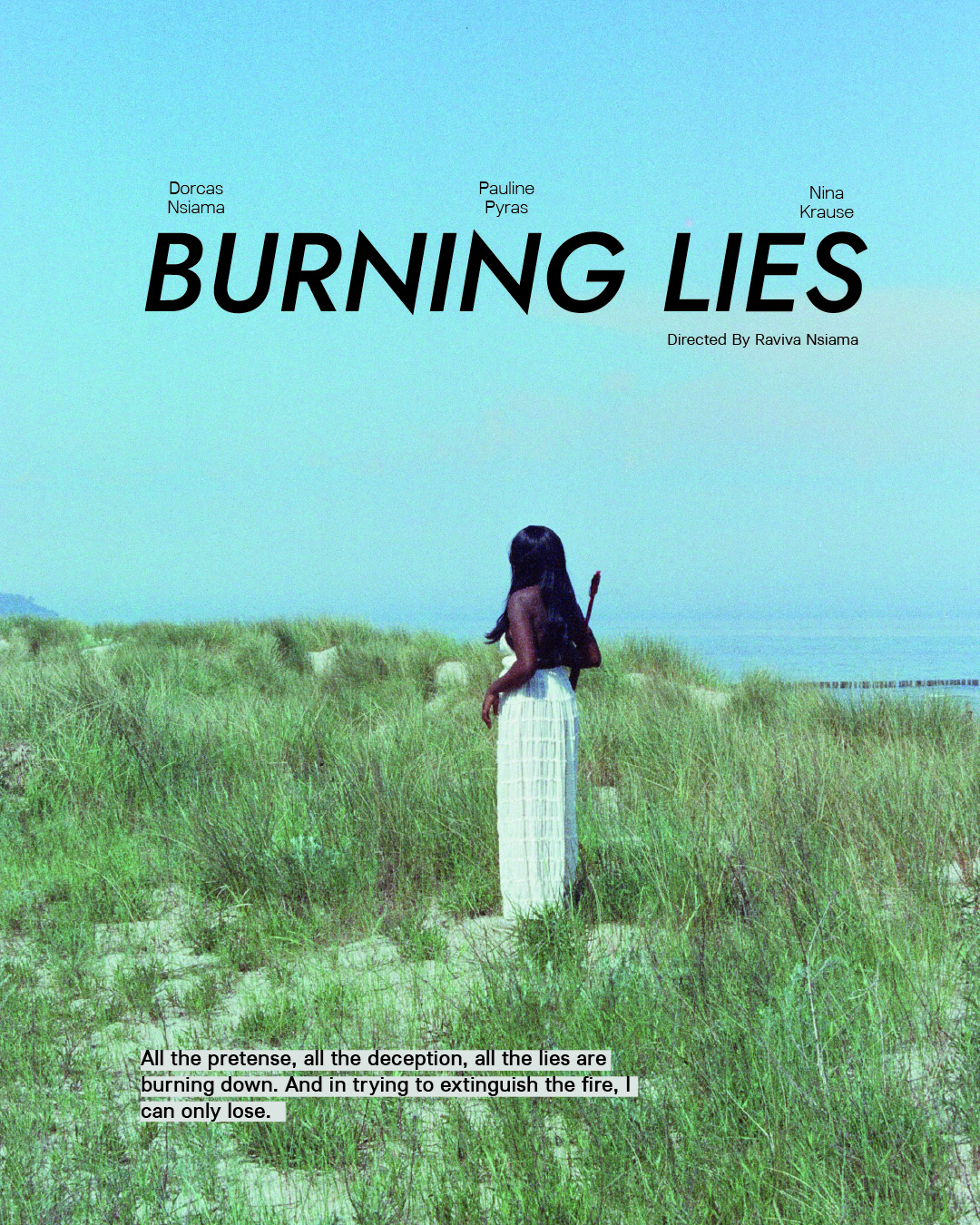
The starting point was my Bachelor’s project. At the time, my sister Dorcas was writing a great deal, and one of her poems, Burning Lies, moved me deeply. We had also created a song based on the poem, with both of us singing and recording the vocals. All the vocals heard in the film were produced and performed by us. The film grew from my desire to translate the poem and its emotional world into images and create a visual interpretation of it.
What did the short-film format allow you to do creatively that a longer format might not have?
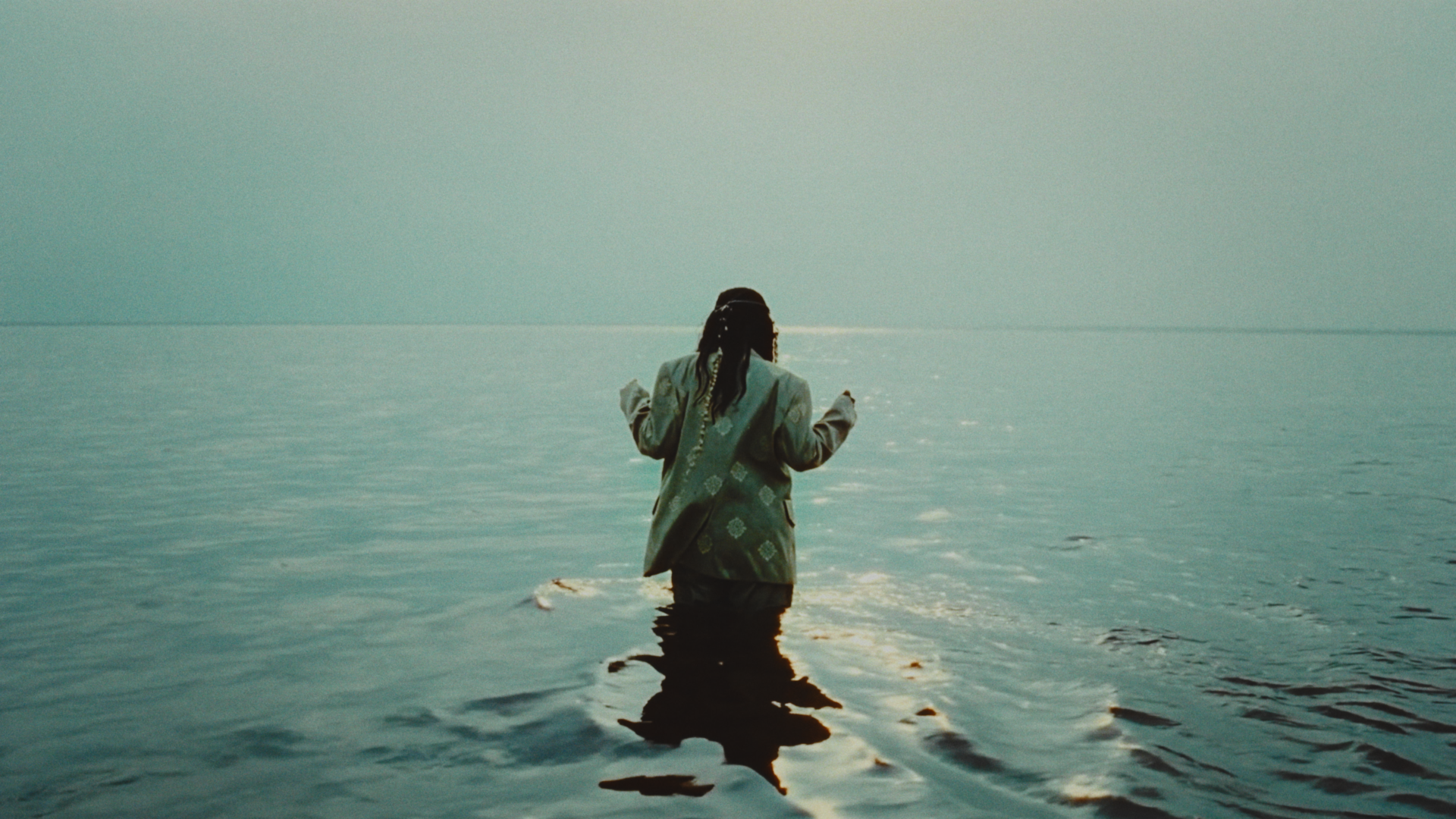
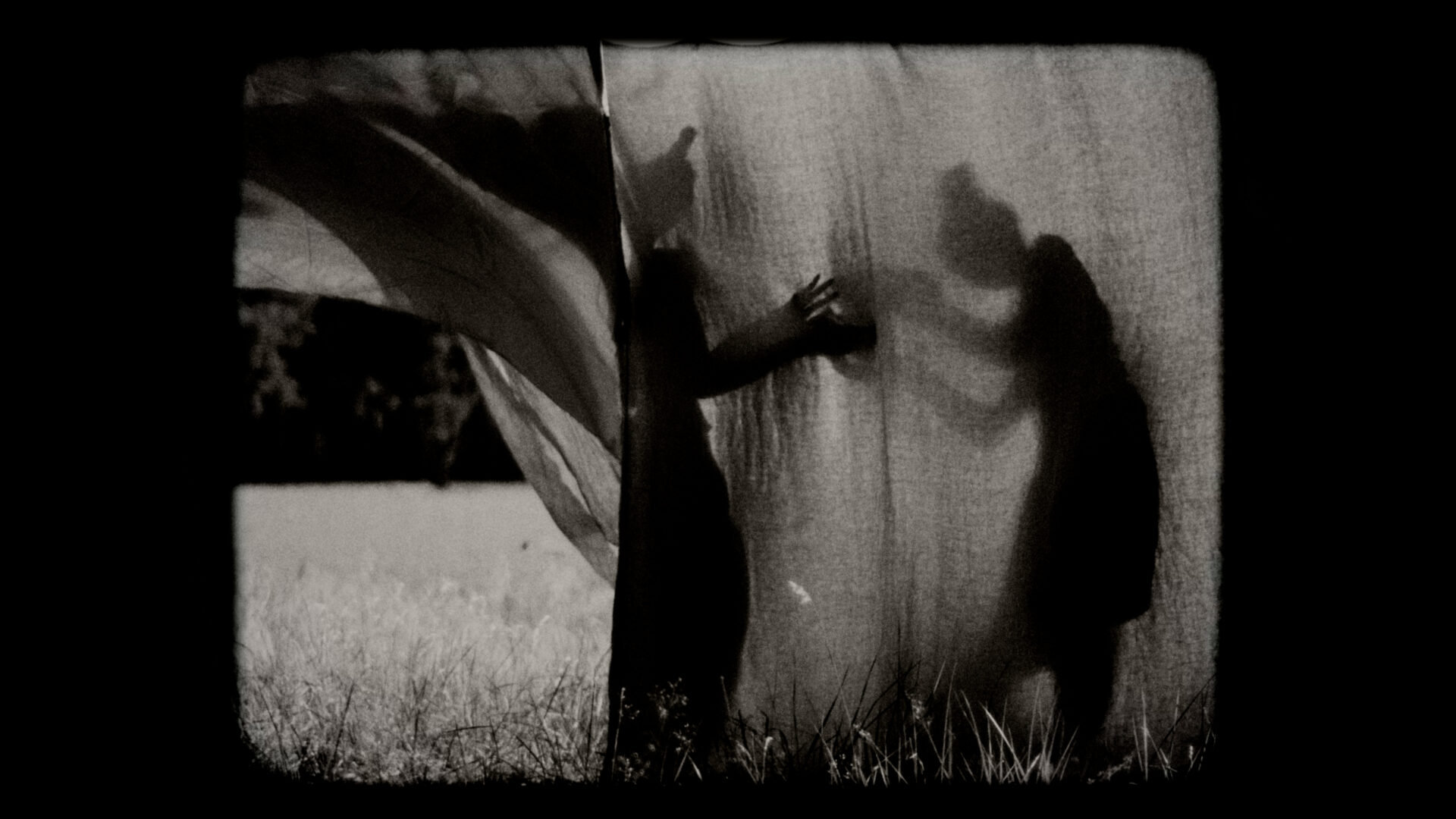
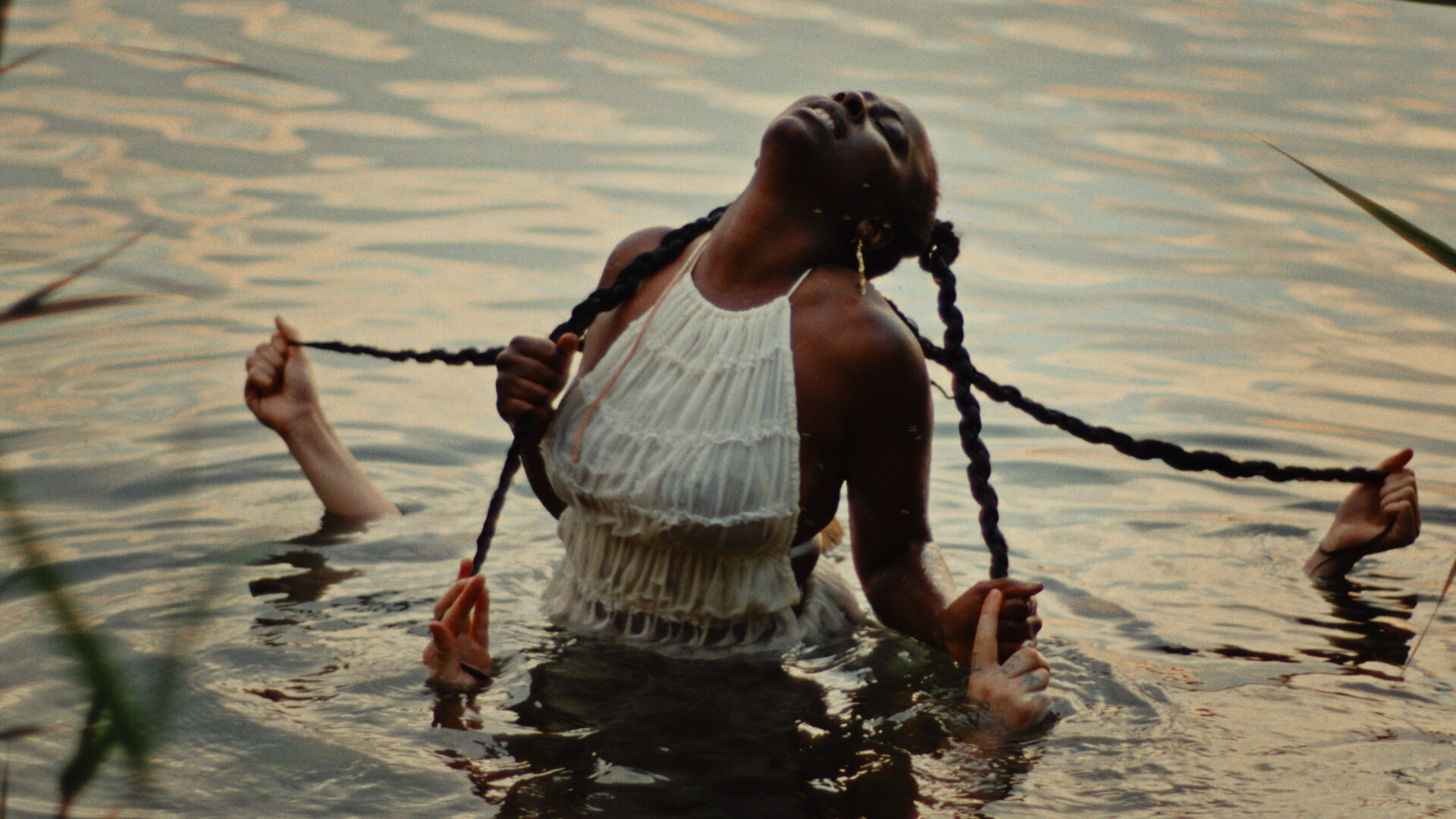
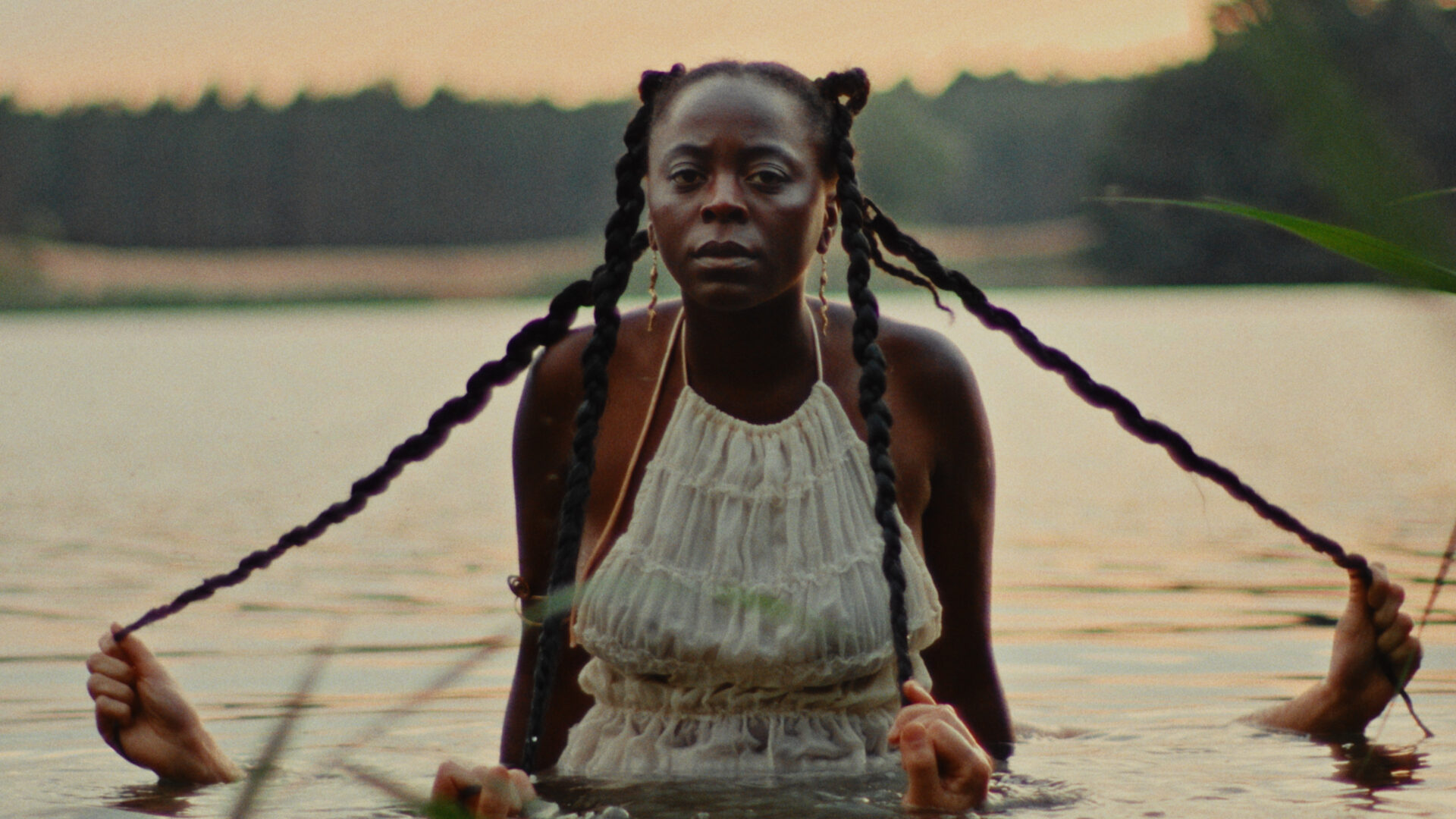
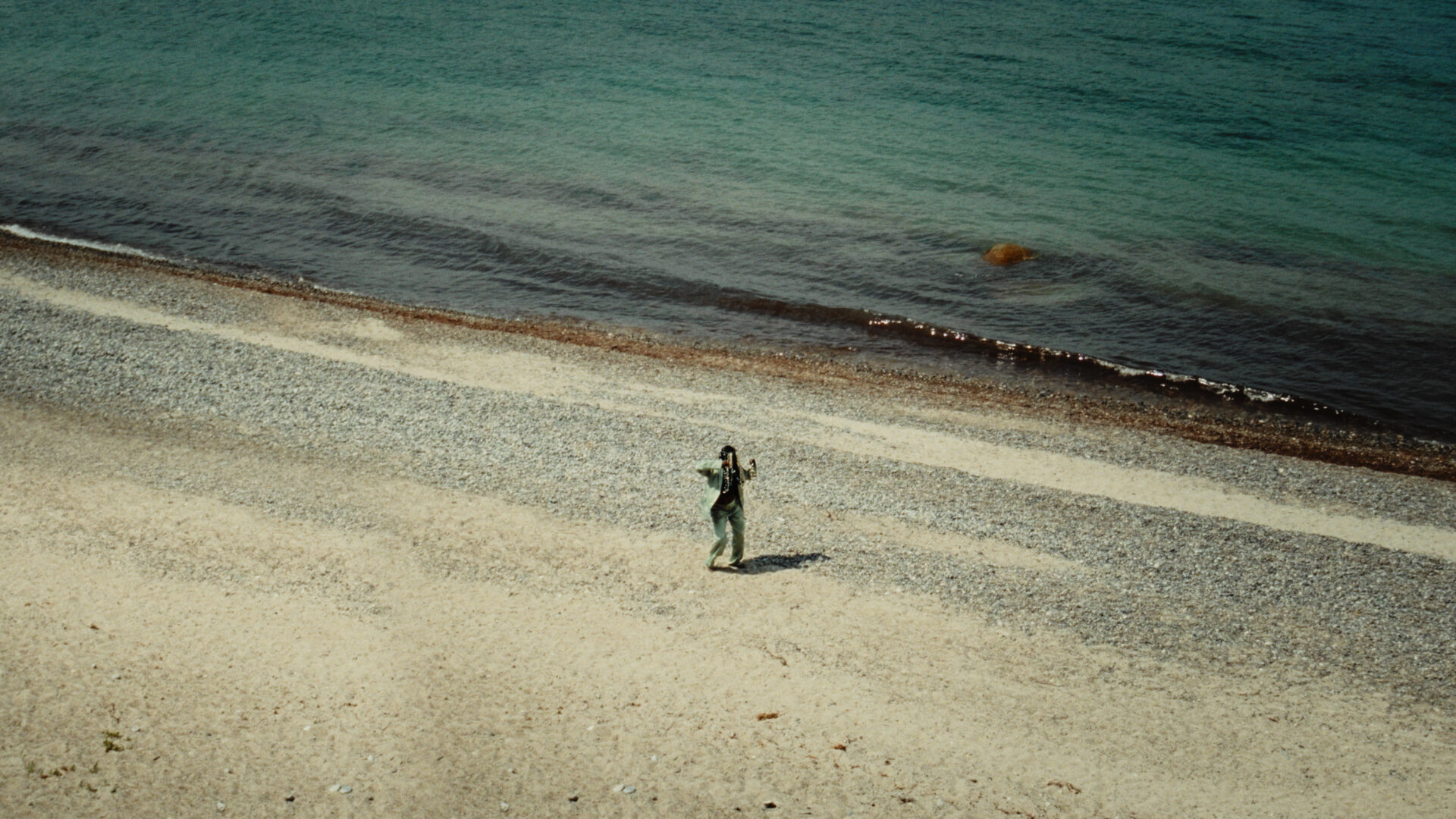
The short-film format allowed me to work through compression, rhythm and association rather than explanation. I could move between three symbolic spaces — a virtual rainforest connected to Congolese roots, the coast of Rostock and dreamlike inner spaces — and let voice, movement, water, fire and landscape carry meaning. A longer format might have required greater narrative resolution. The short form allowed the central question to remain open.
Is there a particular moment, character or idea in the film that holds special significance for you as the director
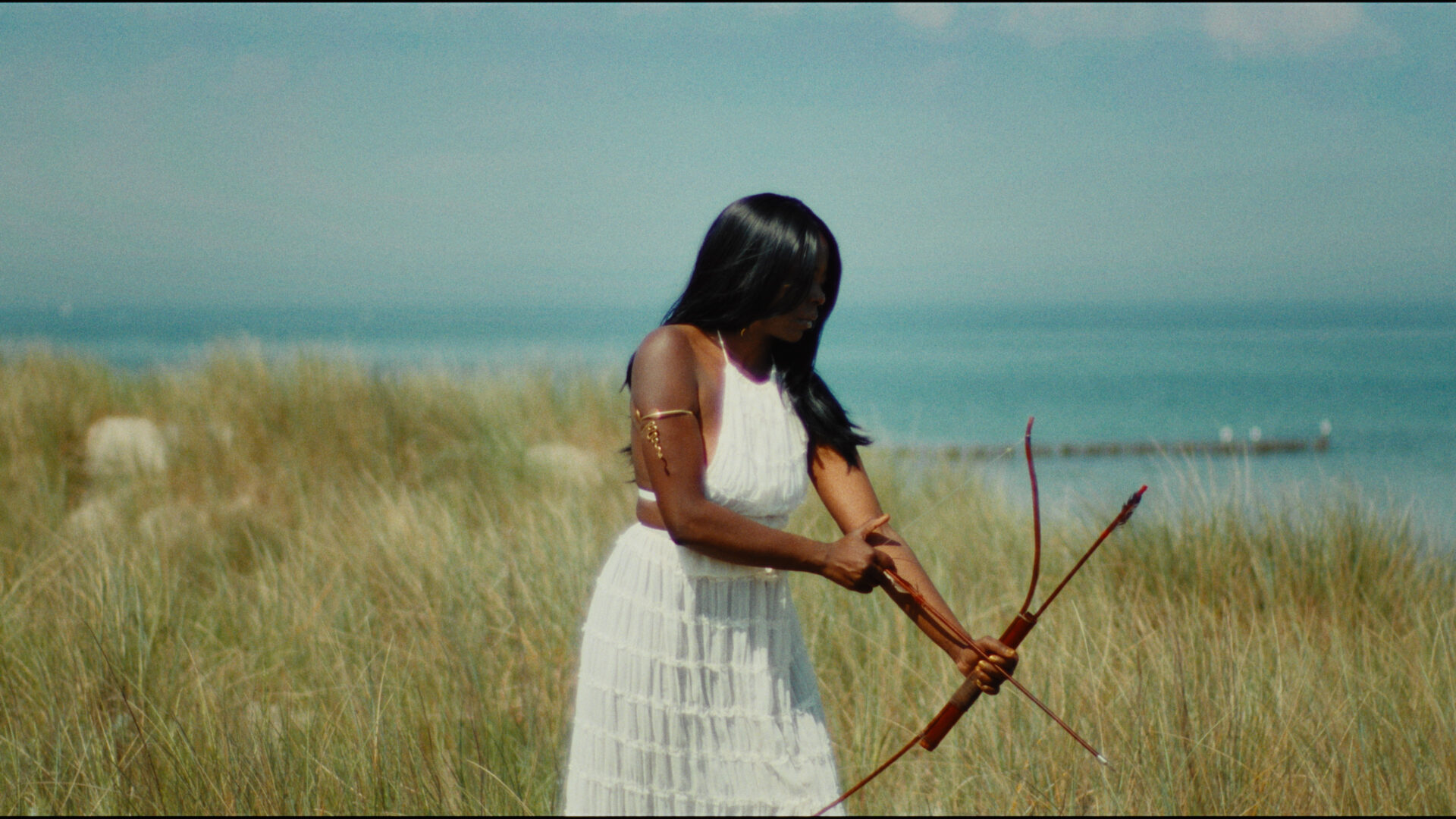
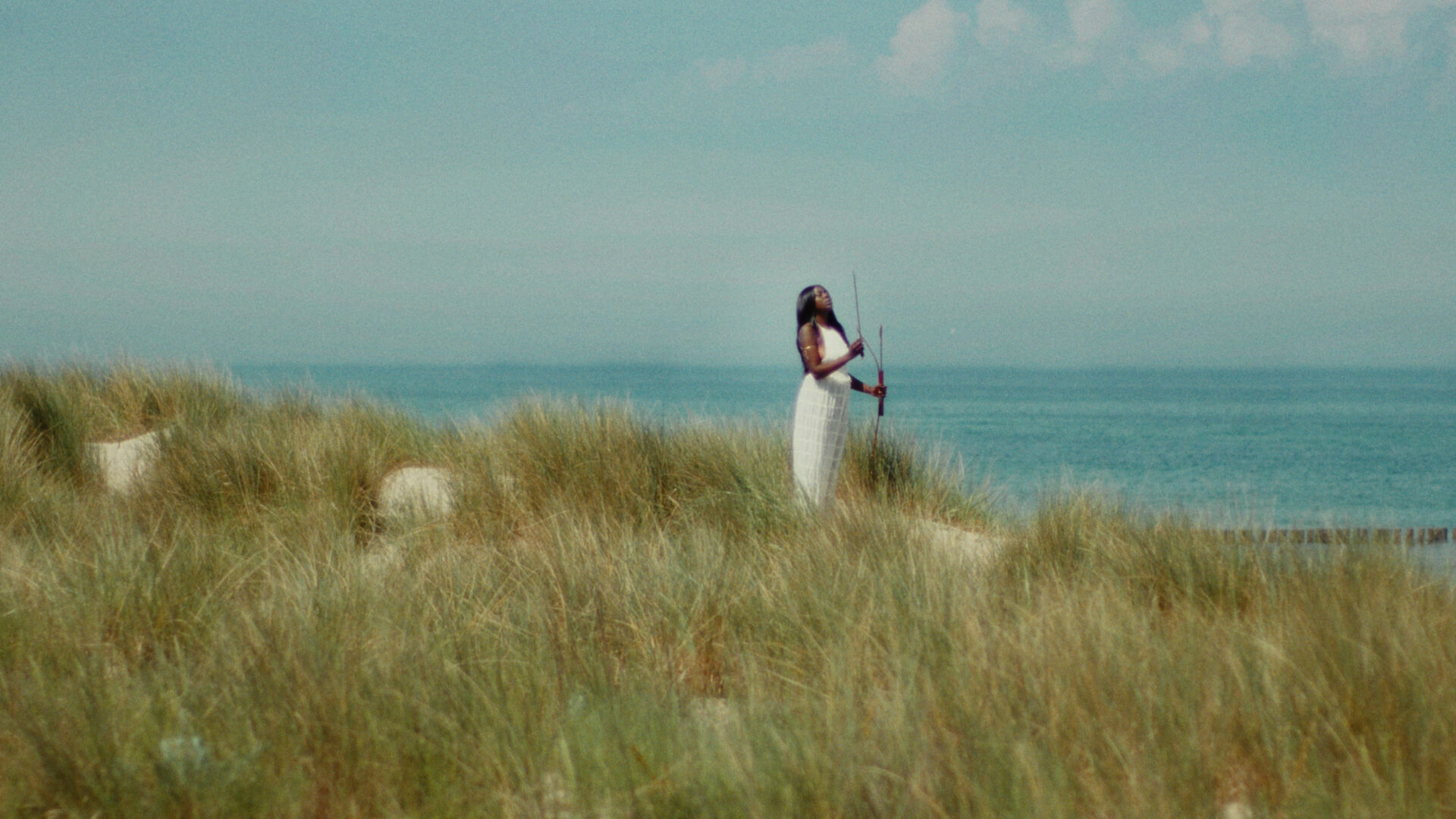
The arrow motif holds particular significance for me. It first appears when the bow is drawn and the arrow is released into emptiness, then returns at the end as a final strike. For me, it creates an arc that holds the film’s fragmented journey together. In the final act, the character becomes the force that breaks the image and, in a way, destroys a version of herself — the version hypnotised by the television and by an idea of who she is that may never have truly existed. By shattering that constructed image, she disrupts the illusion and creates the possibility of seeing herself differently.
What conversation do you hope the film creates with audiences after they leave the cinema?
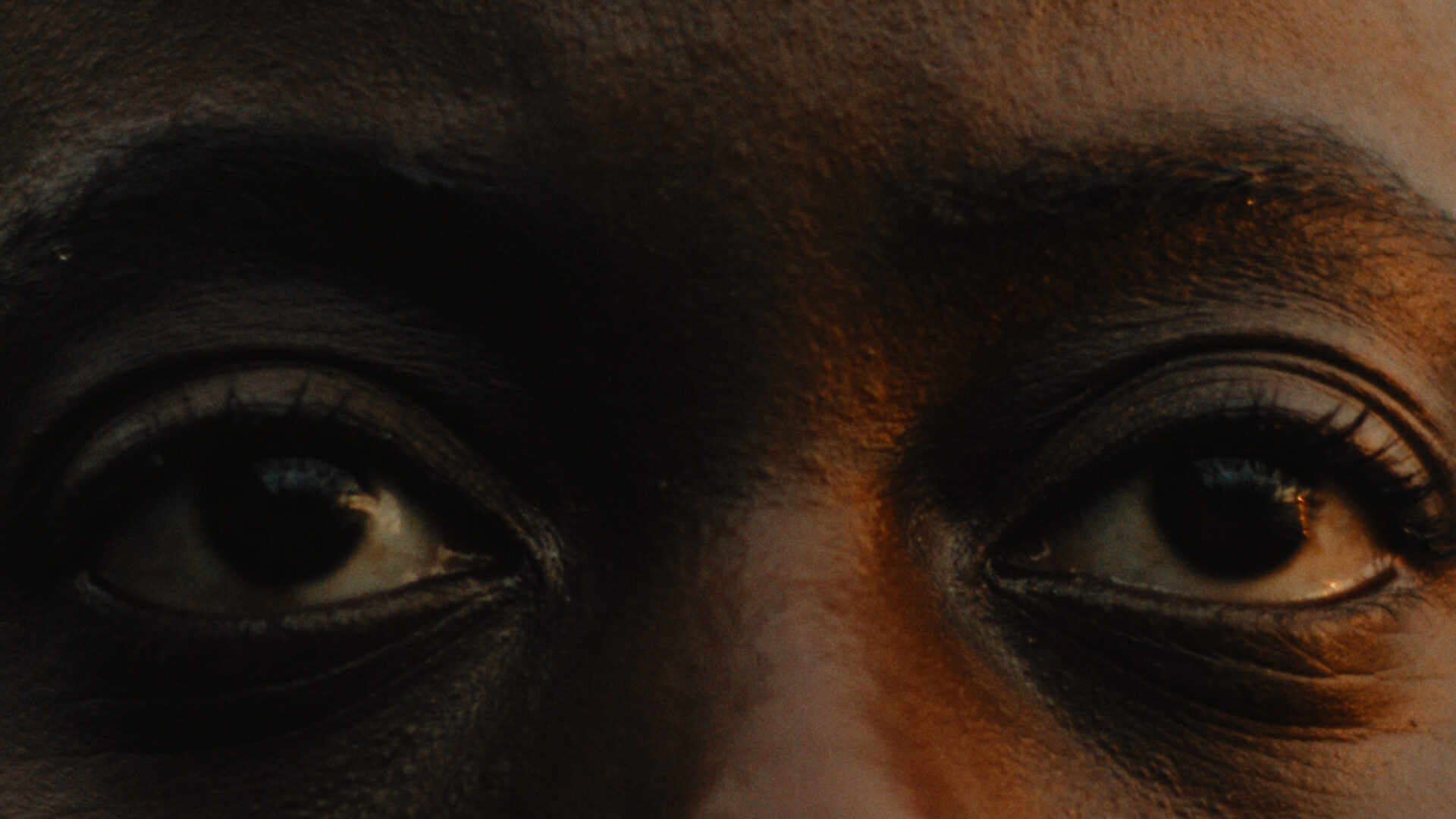
I hope audiences leave asking which beliefs are truly their own and which were learned in order to survive, belong or meet other people’s expectations. I don’t want the film to prescribe an answer. I want it to create room for honesty, vulnerability and recognition. Although Burning Lies is rooted in an Afrodiasporic perspective, the question at its centre — “Who are you?” — is deliberately universal.
Where does this film sit within your wider creative journey, and what are you interested in exploring next as a filmmaker?
Burning Lies was important because it allowed me to bring together film, poetry, performance, music and visual storytelling in one work. It was largely self-produced with very limited resources, which taught me how much can be achieved through resourcefulness and a strong vision. For future projects, I hope to secure greater funding to realise my ideas more fully in terms of technical execution, production quality and creative scale. I want to continue exploring Afrodiasporic stories, but I don’t see my creative practice as limited to a single category. Being Black informs my perspective, but it doesn’t define the full range of subjects I want to explore. Ultimately, I want to follow the stories, images and ideas that genuinely move me.