What was the starting point for this film, and what made you want to tell this particular story?
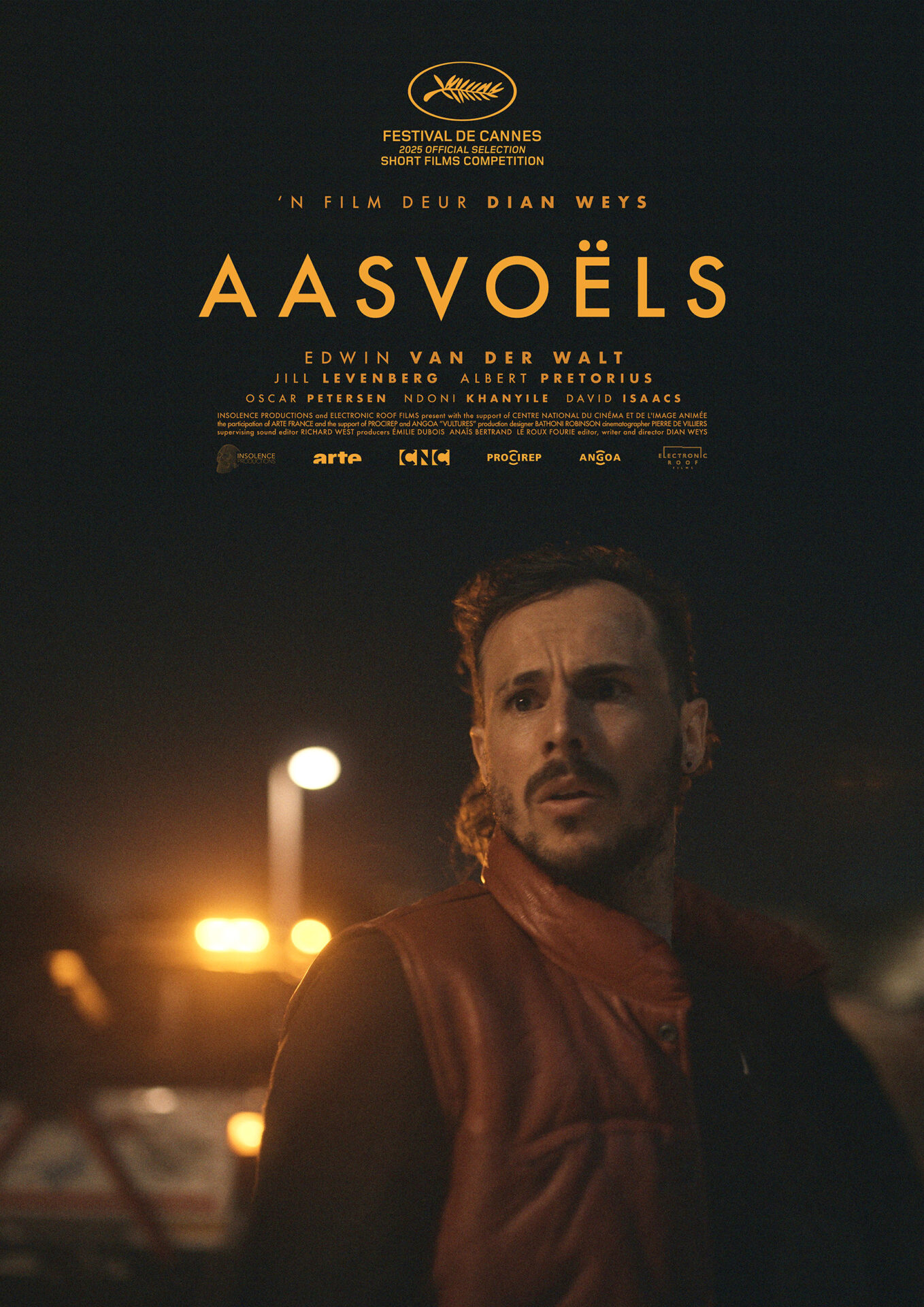
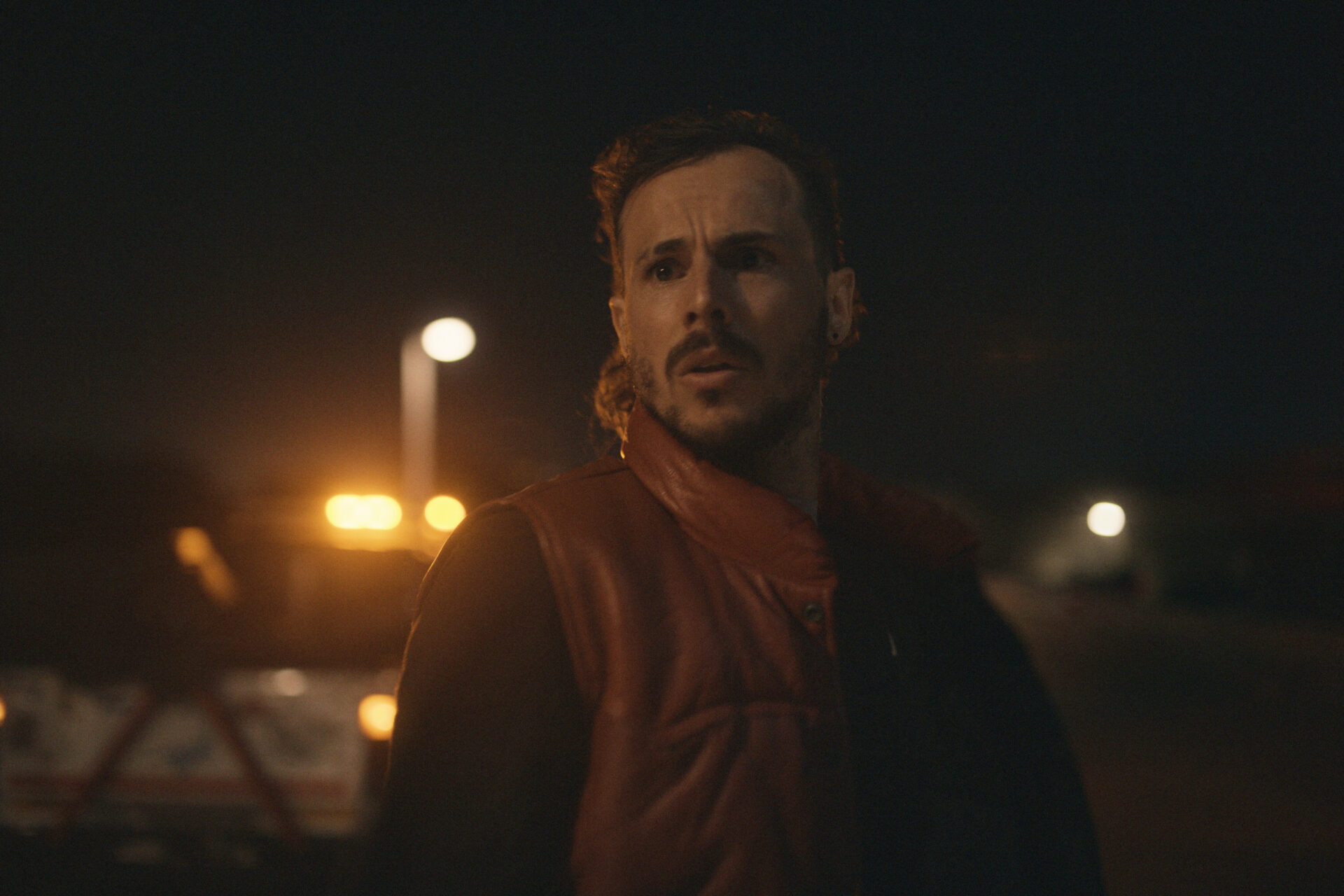
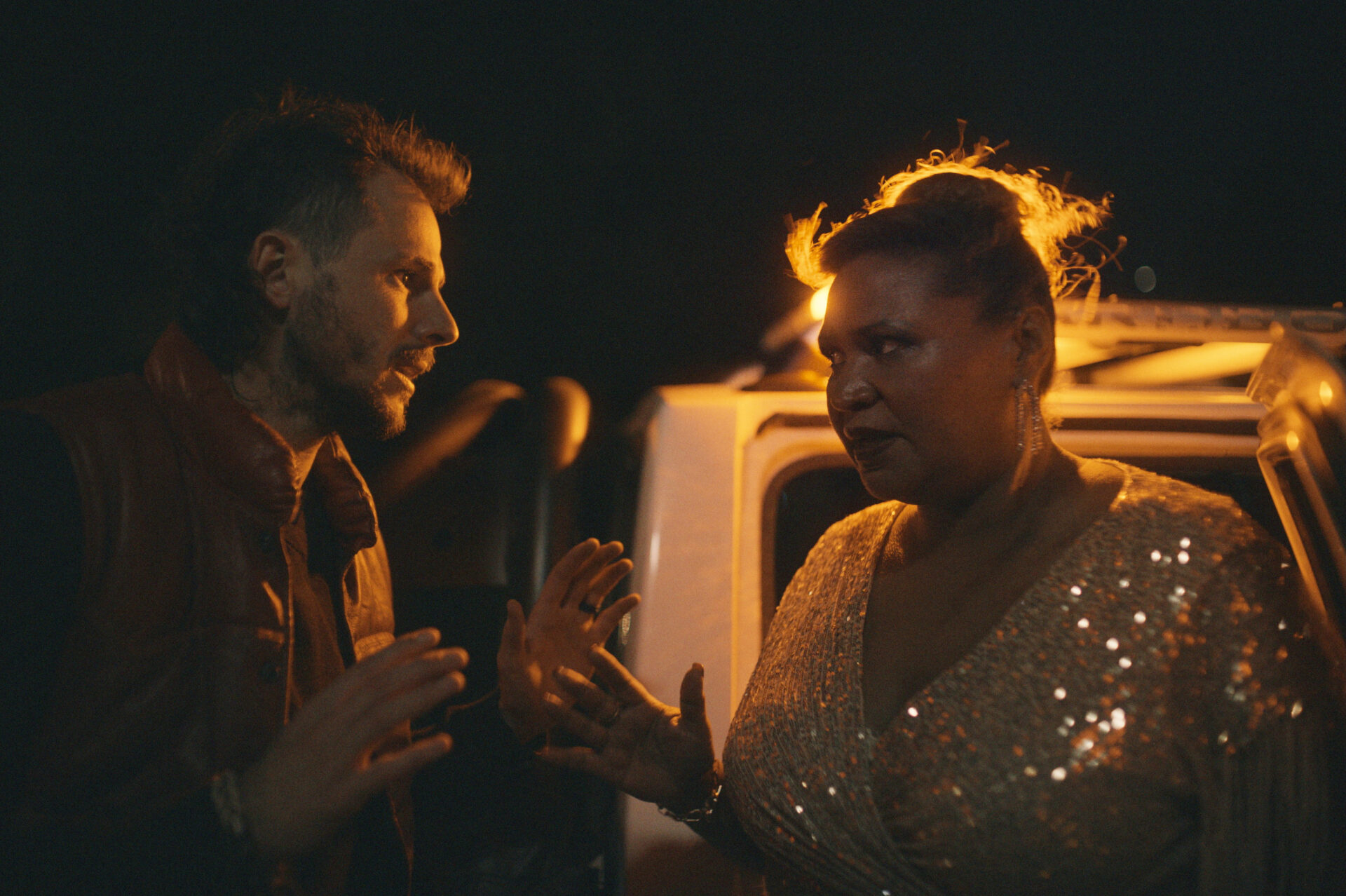
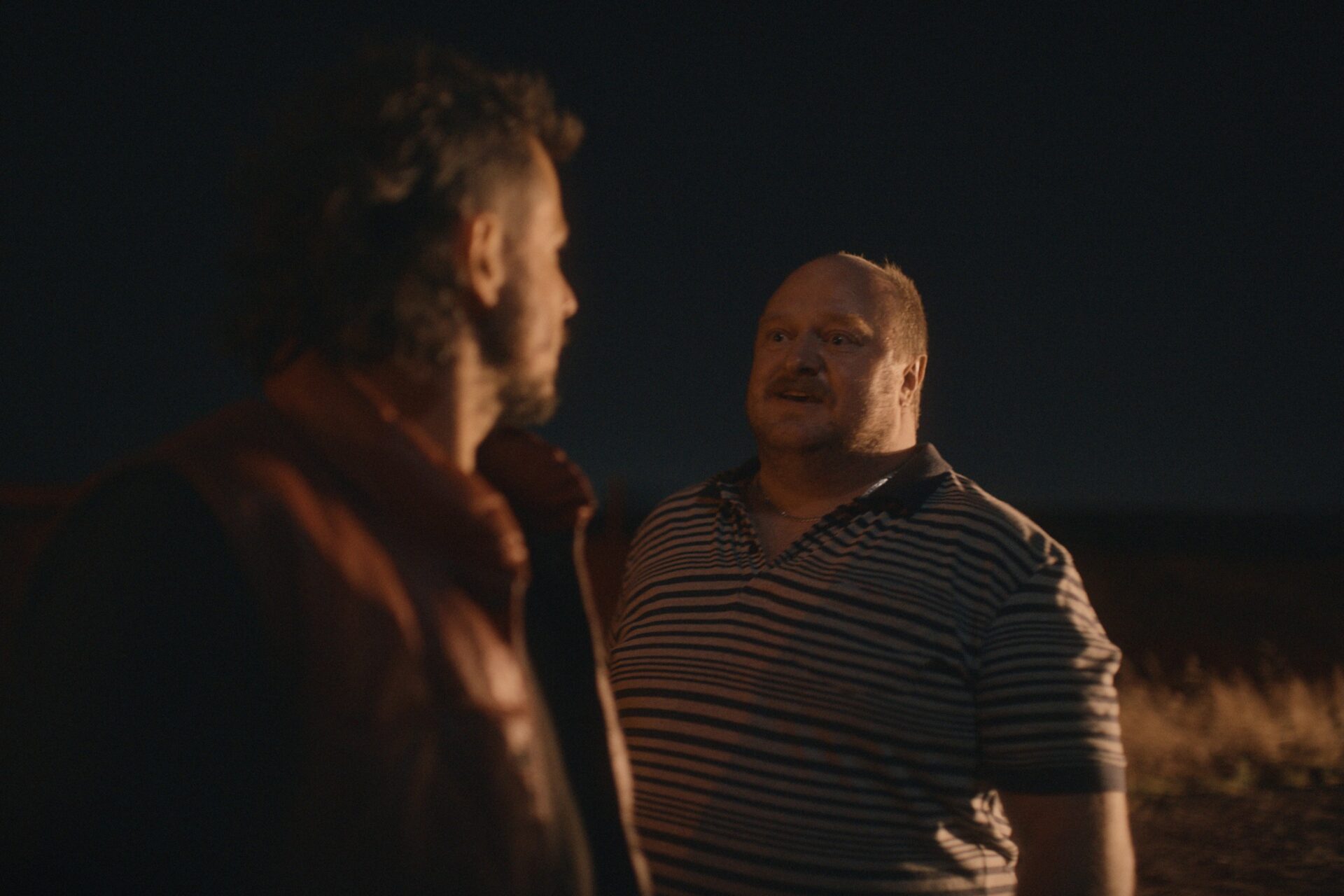
Aasvoëls (Vultures) is based on my own experiences. I’ve been in two car accidents and, in both cases, tow-truck drivers appeared almost immediately, wanting us to sign contracts so they could tow the car and claim from our insurance. At the same time, South Africa has a high motor-vehicle accident rate and a 33% unemployment rate. Most South Africans, including tow-truck drivers, are simply trying to make ends meet. I wanted to use a car accident as a metaphor for a society in which we are encouraged to compete and transact, where another person’s need becomes an opportunity for personal gain. I believe this kind of cannibal capitalism not only devours our humanity but has consequences for everyone around us.
What did the short-film format allow you to do creatively that a longer format might not have?
The cinema that excites me most is when there is harmony between a film’s content and its form. The story has to suit the unique qualities of a short film: its limited duration, creative possibilities and the fact that it will often be watched as part of a programme, where it enters into dialogue with other shorts.
Is there a particular moment, character or idea in the film that holds special significance for you as the director?
There is a scene in Roman Polanski’s The Pianist (2002) where the Szpilman family watches from their window as SS officers enter a building across the road and throw a man in a wheelchair from a third-floor window. Polanski shoots the scene entirely from the family’s point of view. I saw the film in the cinema when I was eleven, and it upset me deeply. Only when I was older did I understand that, in that moment, cinema had made me feel like a witness. That is the feeling I want to offer audiences too.
What conversation do you hope the film creates with audiences after they leave the cinema?
I hope the film raises questions about the difficulty of being economically vulnerable while also navigating our instinct for self-preservation. Aasvoëls is driven by characters who are both victims and perpetrators, making the situation a question of implication. For the audience, the questions become: How are you going to act? What is your responsibility in all of this? It makes for uncomfortable viewing, but I think it is closer to our lived experience than the “either/or” thinking that characterises much political discourse.
Where does this film sit within your wider creative journey, and what are you interested in exploring next as a filmmaker?
Aasvoëls is my fourth short film and continues my interest in stories that take place after violence, focusing on the people caught in its aftermath and using a filmmaking style that makes the audience feel like witnesses. I’m continuing this journey with my first feature film, which I’m currently writing. Fingers crossed we get to make it!